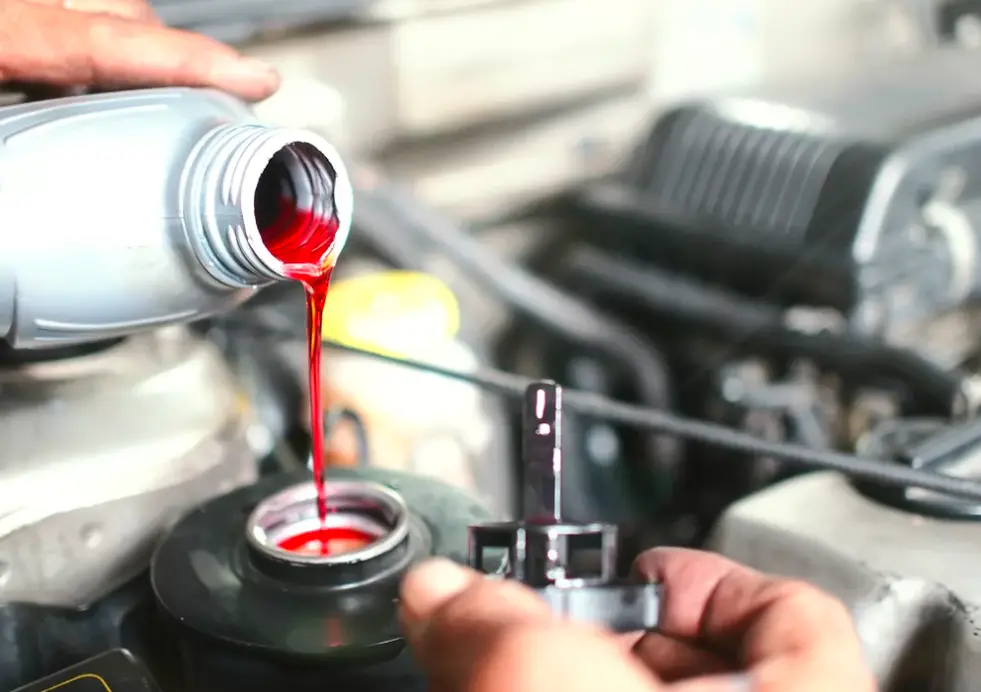
Brake Fluid Change Costs: What to Expect and How to Save!
Changing brake fluid usually costs between $70 and $150 for professional service, while DIY costs range from $20 to $50. […]

Changing brake fluid usually costs between $70 and $150 for professional service, while DIY costs range from $20 to $50. […]
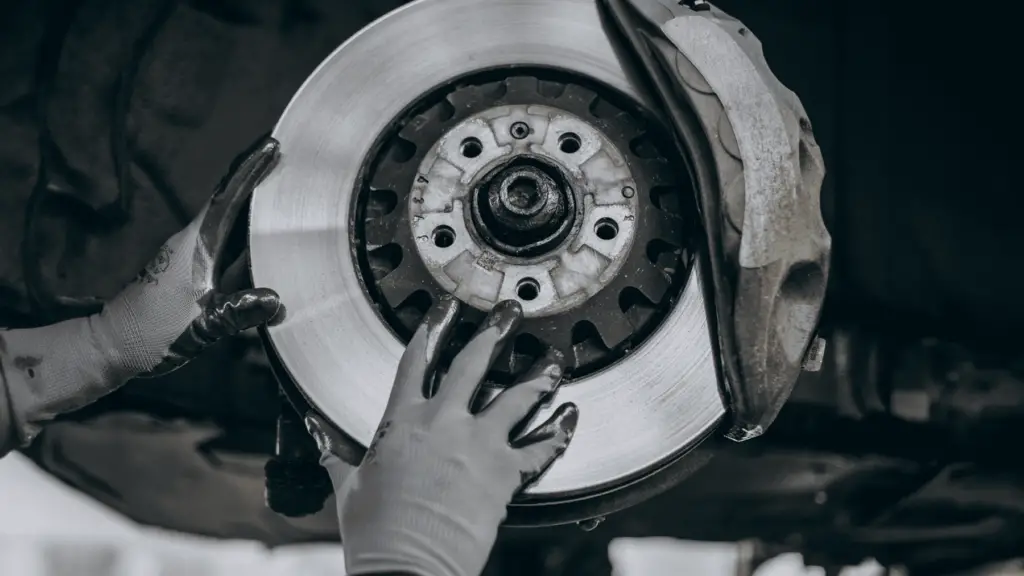
Brake calipers generally last 75,000 to 100,000 miles, but lifespan can vary with driving habits and maintenance. Regular brake fluid
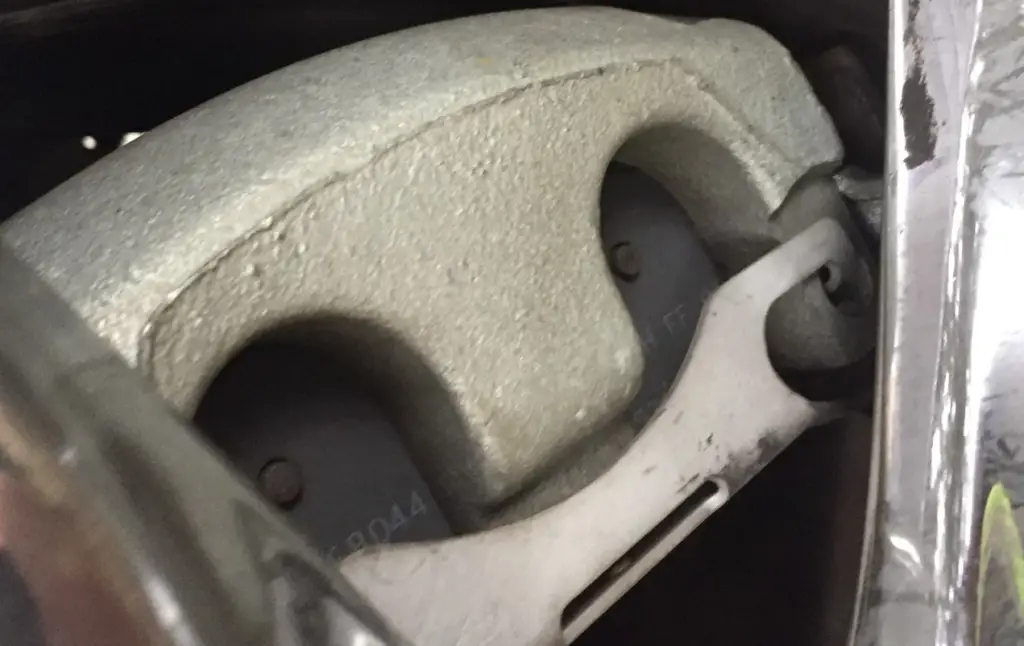
If a brake caliper falls off, it can severely affect braking performance and pose serious safety risks. Common causes include
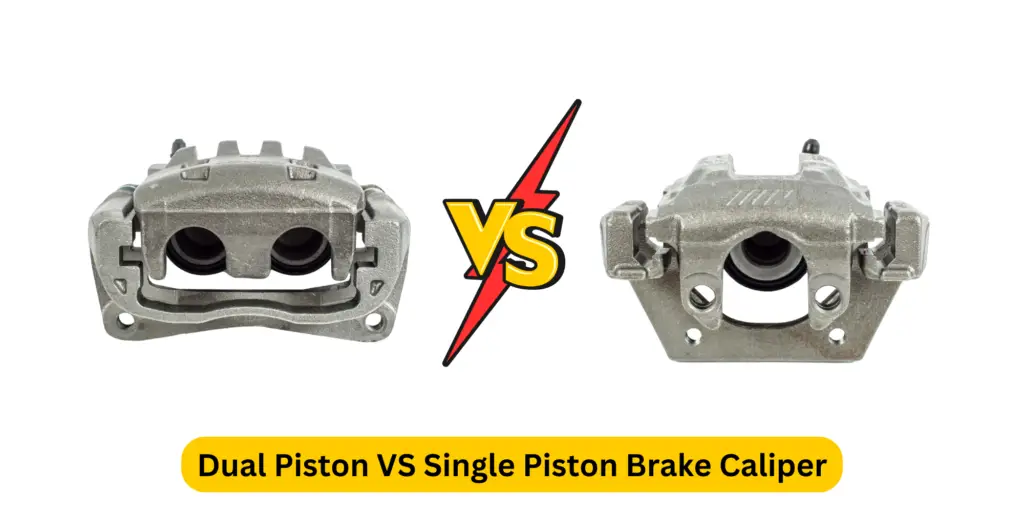
Dual piston brake calipers provide greater clamping force and better heat dissipation, making them ideal for performance vehicles. In contrast,
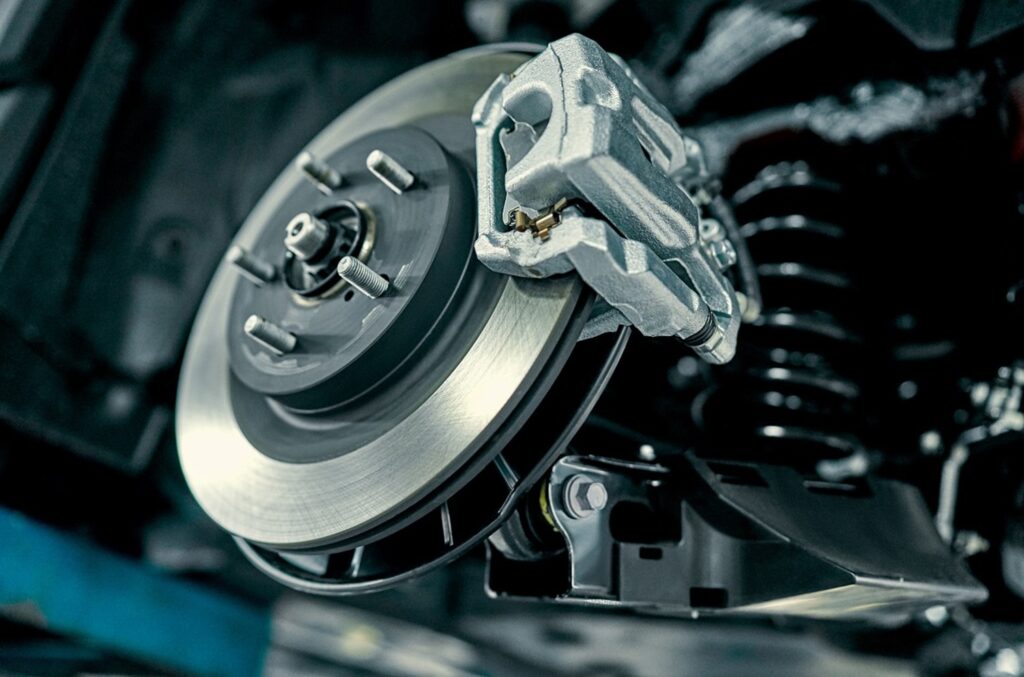
Yes, a bad brake caliper can cause vibration, especially if it’s sticking or seized, leading to uneven pressure on the
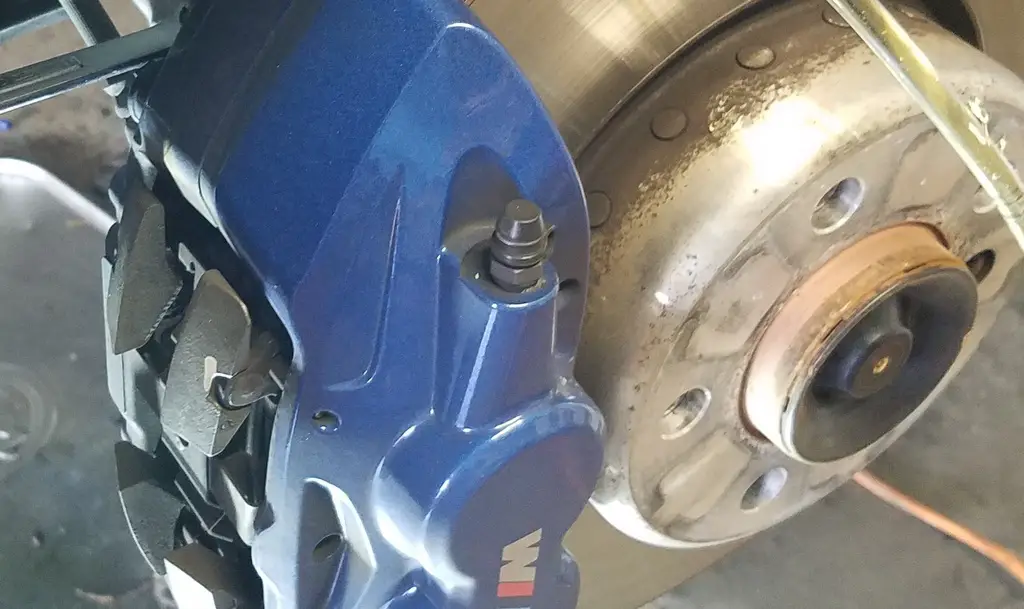
If your brake caliper won’t bleed, it’s often due to a clogged bleeder valve, damaged bleeder screw, or air trapped
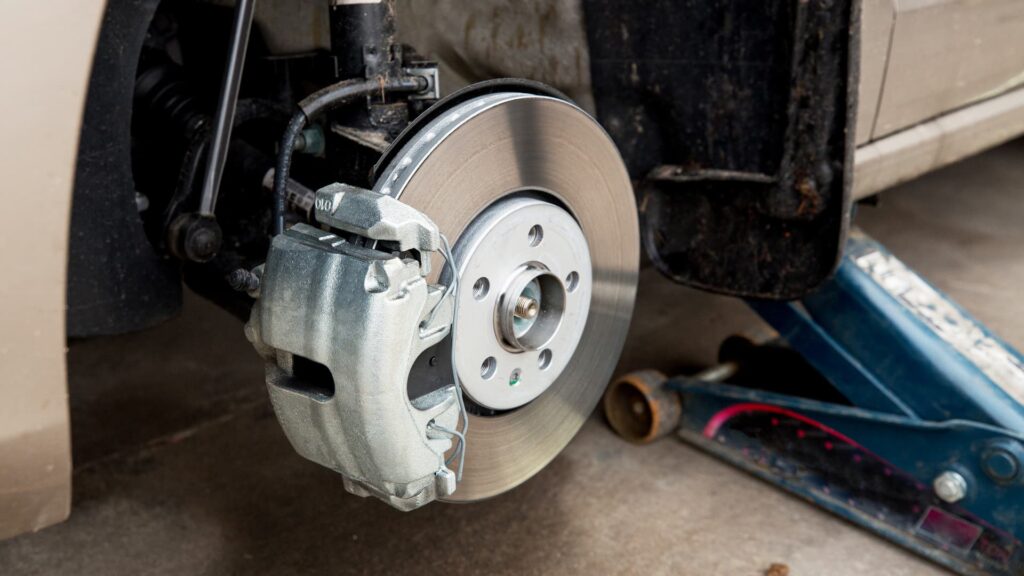
In floating brake systems, calipers should move freely on their guide pins to ensure even pad wear and efficient braking.
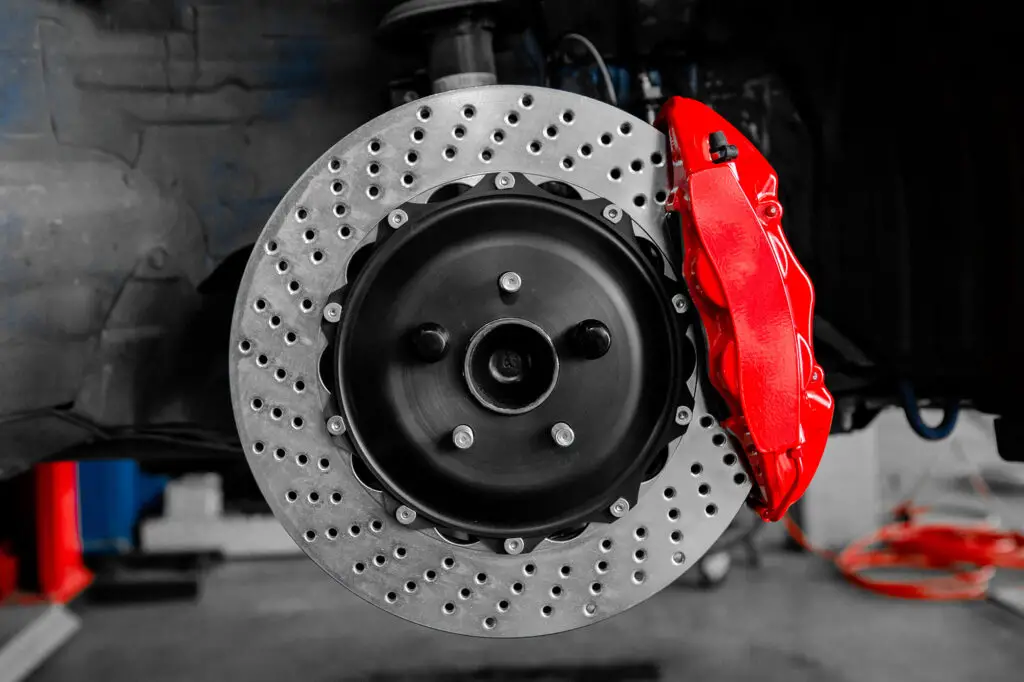
Most modern brake calipers lack grease fittings and are designed to be maintenance-free. However, some older vehicles or aftermarket calipers
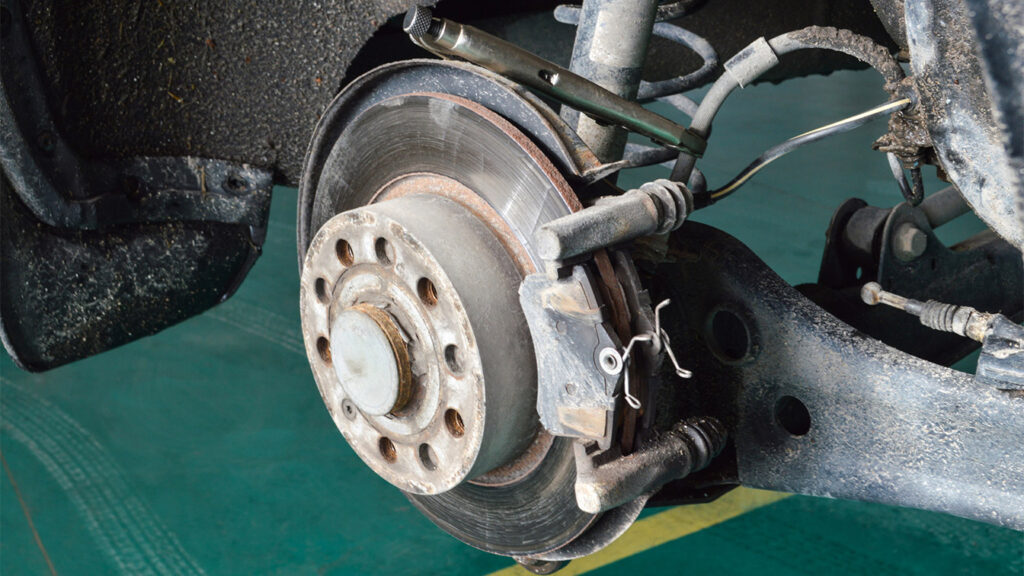
Brake caliper hose replacement involves removing and replacing the flexible hose that carries brake fluid to the calipers, ensuring consistent