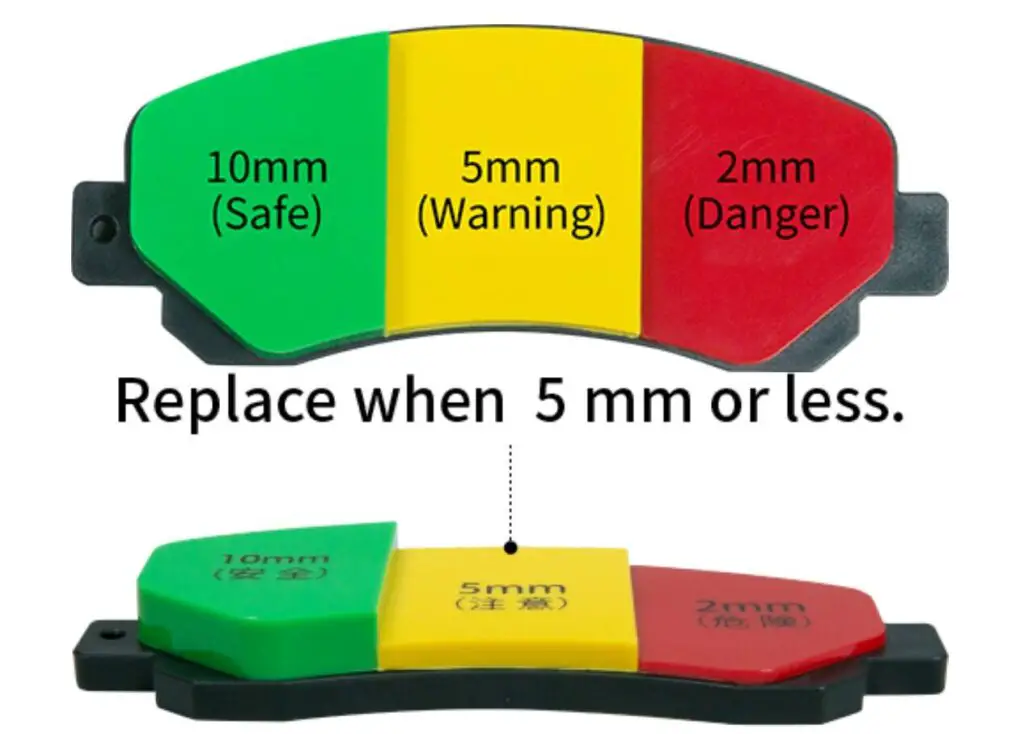
Brake Pad Thickness for Replacement: A Comprehensive Guide
Brake pads should be replaced when they wear down to 3 mm. New pads are typically 10-12 mm thick, and […]

Brake pads should be replaced when they wear down to 3 mm. New pads are typically 10-12 mm thick, and […]
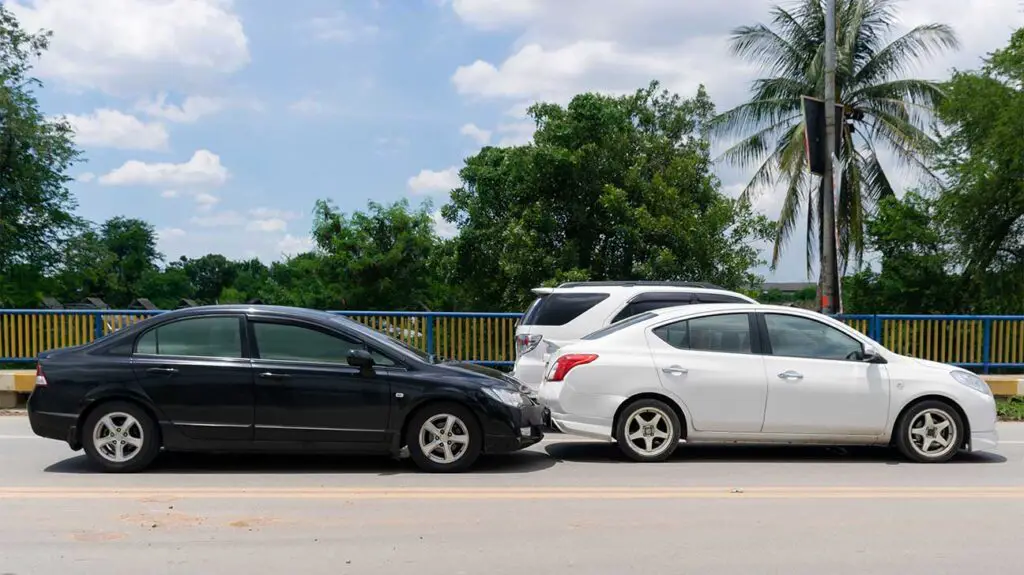
Brake checking is when a driver suddenly brakes to force a tailgating vehicle to slow down. It’s dangerous, often causing
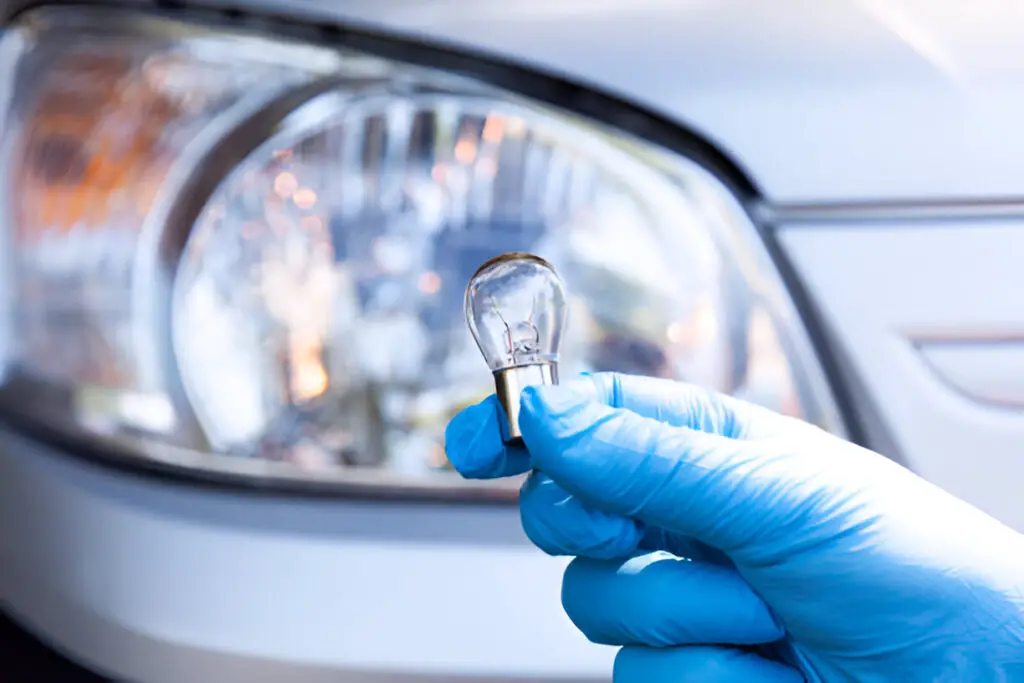
Using the vehicle’s VIN number is a reliable way to find the correct headlight bulb for the car. The VIN
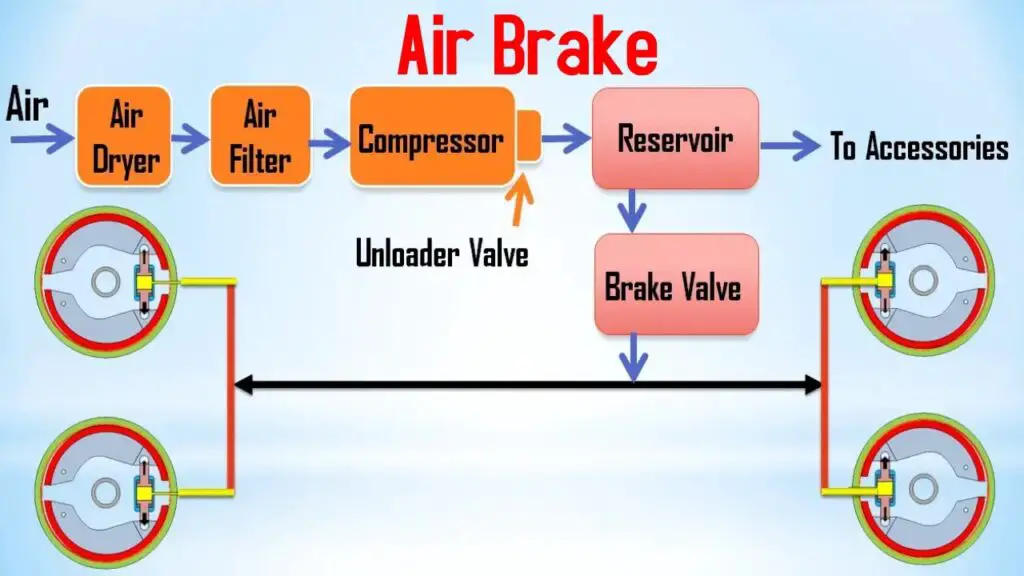
Air brakes work by using compressed air to transmit pressure to the brake pads, thus applying force to slow down
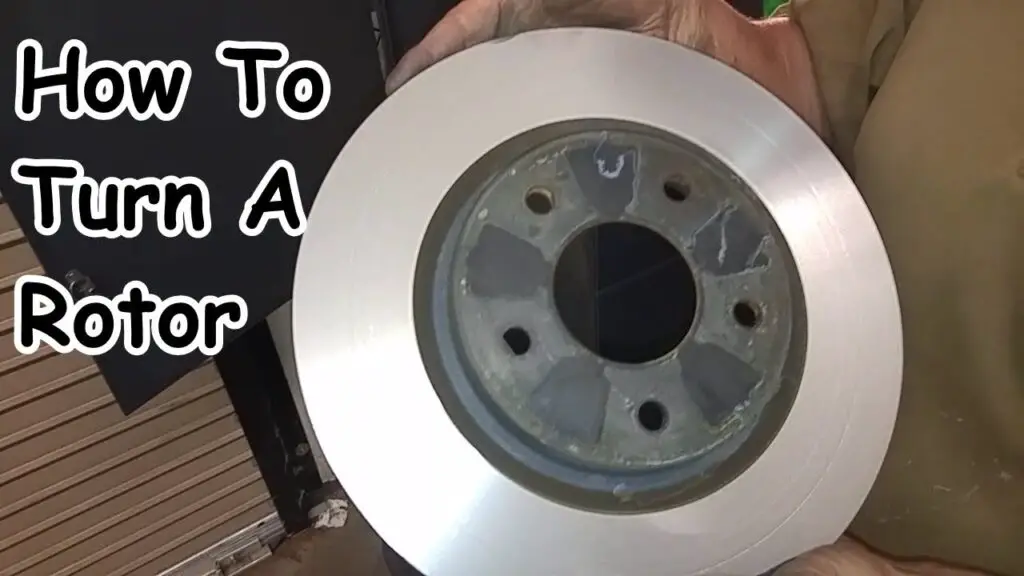
Brake rotor turning is a process of resurfacing the brake rotor to remove imperfections and ensure smooth braking. It helps
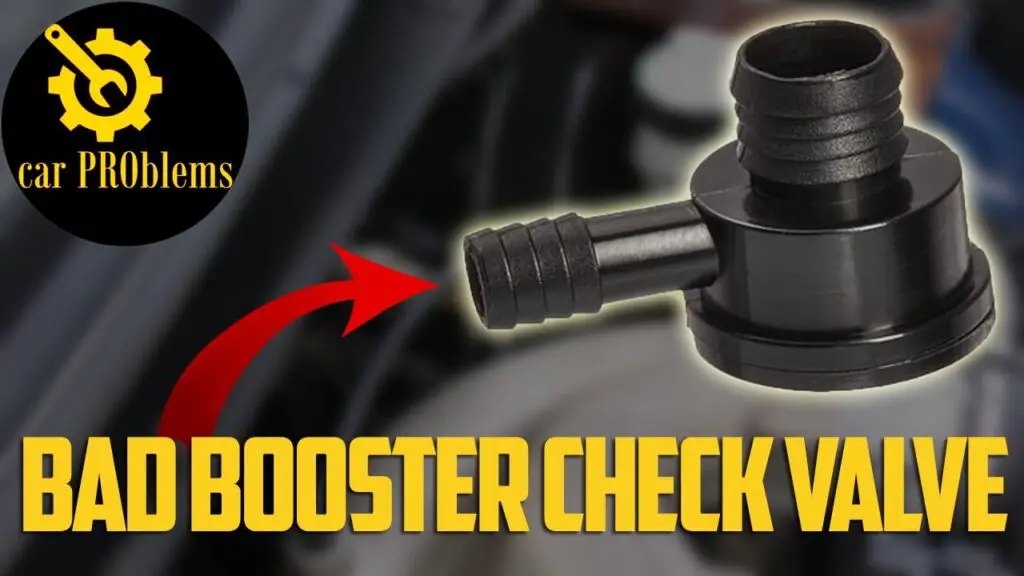
A faulty brake booster check valve can cause a hard brake pedal, increased stopping distance, and hissing sounds when braking.
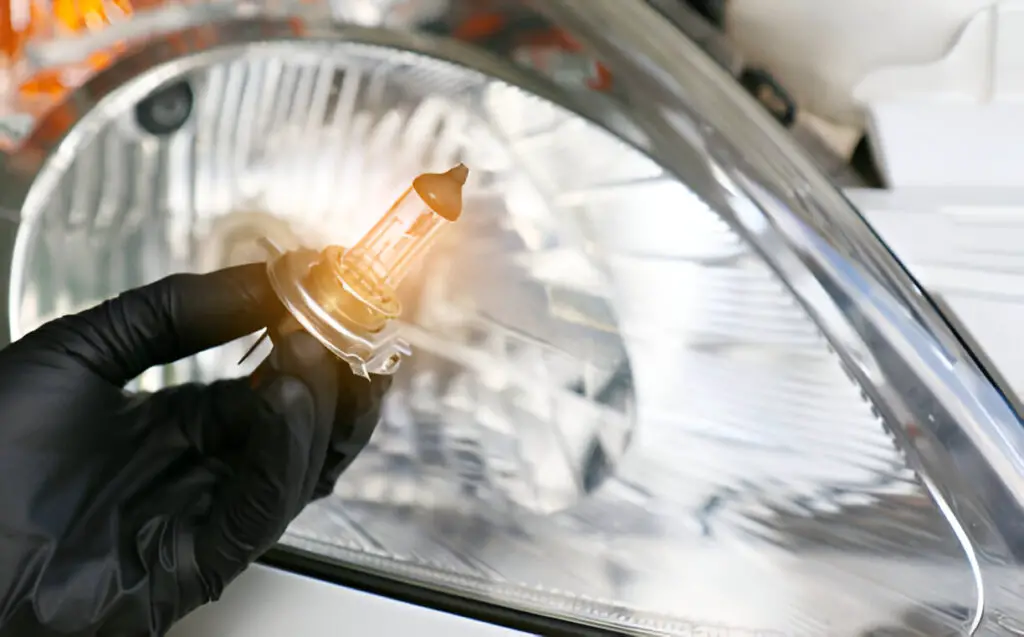
Headlights are an essential component of vehicle safety, ensuring visibility during nighttime driving or in poor weather conditions. When a
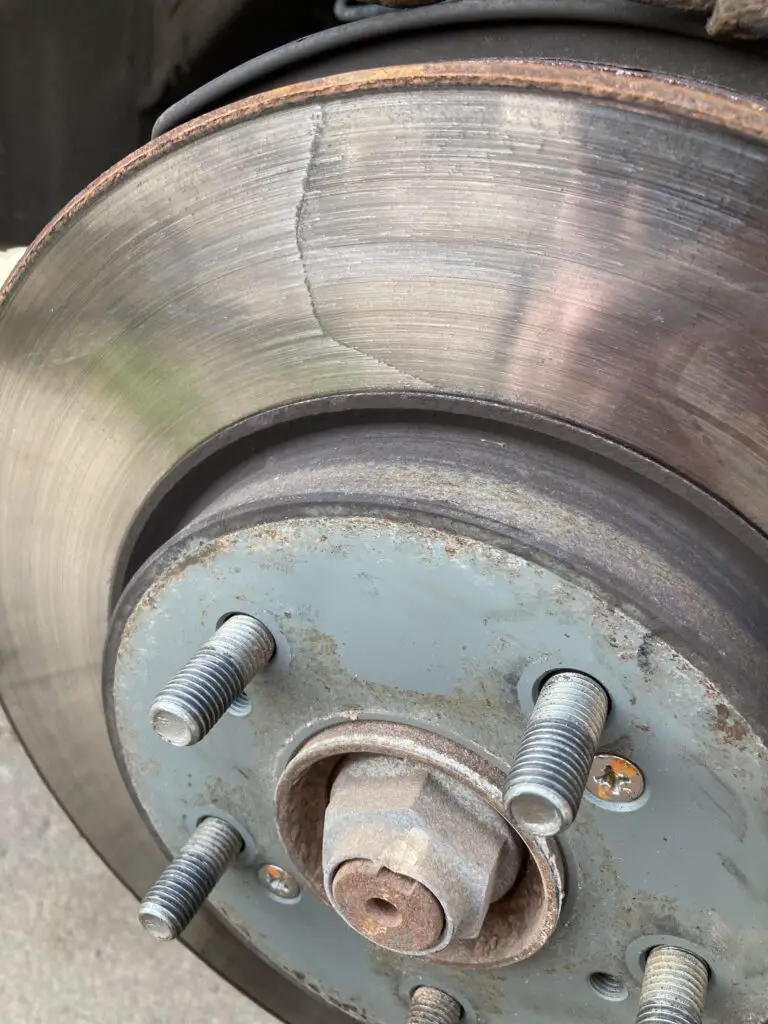
Pulsating brakes when stopping are usually caused by warped brake rotors, uneven brake pad wear, or issues with the brake

To replace a brake light bulb, locate the bulb housing, twist it counterclockwise, and remove the old bulb. Then, insert