


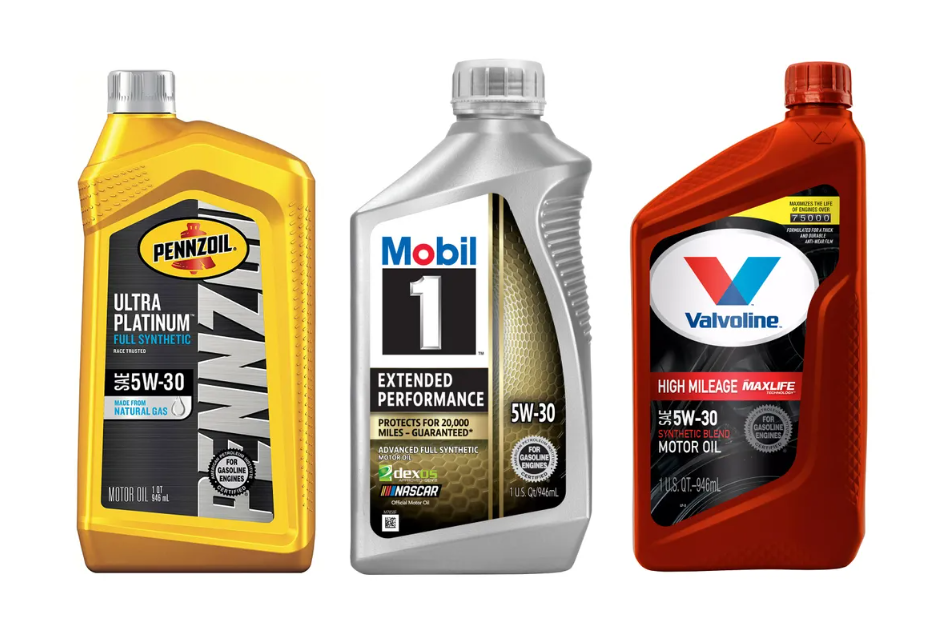
Best motor engine oil is essential for maintaining engine performance and longevity. It helps reduce friction, prevents wear, and improves fuel efficiency. Choosing the right oil, whether synthetic, conventional, or a blend, depends on your vehicle’s specifications and driving conditions.
Picking the right motor engine oil is key to keeping your engine in good working order. Proper motor oil alleviates engine part friction, increases engine part durability, and increases engine part longevity. For first time users, the many motor engine oils made available in the market adds to the confusion. This article aims to simplify motor engine oil selection.

Contents
- 1 What is Motor Engine Oil?
- 2 Motor Engine Oil Varieties
- 3 How Motor Engine Oil Protects the Engine
- 4 What is Viscosity?
- 5 How to Choose the Right Engine Oil for the Car
- 6 Best Motor Engine Oils Brands
- 7 Benefits of Using the Best Motor Engine Oil
- 8 When Should You Change the Oil?
- 9 What Are the Most Common Mistakes People Make?
- 10 Frequently Asked Questions
- 11 In Summary
What is Motor Engine Oil?
.Motor oil is essential for an internal combustion engine as it plays many important roles such as lubricating the moving engine parts to reduce friction and wear. Additionally, engine oil is involved in engine cooling, cleaning engine parts, and protecting internal components from rust and corrosion.
Motor oil is made up of many chemicals. This is why motor oil selection is important. Furthermore, it is important to change motor oil from time to time as it is subjected to high temperature and contaminants which causes the oil to degrade. Engine type, driving conditions and the recommendations of the manufacturer are key in determining the best motor engine oil.
Motor Engine Oil Varieties
Before choosing motor engine oil for your car, it is helpful to understand how it is classified. Each category of engine oil possesses certain advantages depending on how you drive your car, the car type you have, and what is needed for your engine.
1. Standard Motor Oil
Standard, or mineral, motor oil is the oil that comes from the earth. It is the least expensive of all oil refined from crude oil. It is found in older models of cars or cars that do not require new high tech modern engine oil. Standard motor oil works for what most consider average driving, but to put it into a sports car would not be the best decision.
Conventional or Standard motor oil is a good option for people on a budget. You have to consider your engines performance. The good thing is that it is a lot cheaper than your new modern oil.
Pros:
- Good for the budget.
- Widely found.
- Good for older engines.
Cons:
- Breaks down very easily.
- Standard motor oil many times needs to be replaced.
2. Synthetic Motor Oil
Engineered, or synthetic, motor oils are created from chemical compounds and provide better protection than standard oils that are made from crude oil. It is made to be put into an engine that is classified for high performance. Motor oils that are made of chemical compounds are designed to hold up and work well even in harsh situations like high speed driving, very heavy loads, or on cars that are designed to make a lot of stops and starts, Engineered motor oil should be put into a sports car or high performance engine.
Since various oil types function at different temperatures, synthetic oil is perfect for hot and cold start engines while also preventing oil breakdown, therefore optimizing the oil change frequency.
Pros:
- Longer-lasting.
- Excellent protection under extreme conditions.
- Improved fuel efficiency.
Cons:
- May not be necessary for older engines.
- More expensive than conventional oil.
3. Synthetic Blend Oil
Synthetic blend oils combine synthetic oil with conventional oil to offer a balance between performance and cost. This type of oil provides some of the benefits of synthetic oil, such as better protection against wear and improved performance in extreme temperatures, without the high cost of fully synthetic oil.
Synthetic blends are ideal for vehicles that don’t require full synthetic oil but still need enhanced performance compared to conventional oils. They are commonly used in trucks and SUVs that tow heavy loads or engage in off-road driving.
Pros:
- Cost-effective compared to full synthetic oil
- Offers enhanced protection over conventional oil
- Ideal for light-duty trucks and SUVs
Cons:
- Not as durable as full synthetic oil
- Still requires more frequent oil changes than synthetic oil
4. High Mileage Motor Oil
High mileage motor oil is made for cars and trucks that have over 75,000 miles. This oil has special ingredients to help protect older engines by reducing how much oil the engine burns, preventing oil leaks, and reducing how fast seals and gaskets wear.
If you have an older car or a car with a lot of miles, high mileage oil is a good choice. This oil provides better lubrication for the engine and keeps it running better.
Pros:
- Perfect for high-mileage older vehicles.
- Prevents leaks and the oil from being consumed.
- Allows the engine to last longer.
Cons:
- Not ideal for brand new vehicles.
- Not ideal for low-mileage engines.
How Motor Engine Oil Protects the Engine
A list of ways motor engine oil protects your engine
1. Lubrication
Without proper lubrication the engine components would grind against each other causing extreme engine wear and potential failure. Oil creates a thin film to prevent against the engine components.
2. Cooling
Engines generate excessive heat and if the engine were to run for a long period would overheat. Fortunately the oil will absorb the heat and transport it through the oil pump to the oil filter.
3. Engine Cleaning and Detergency
Motor oil cleans the engine by picking up contaminants like dirt and debris that get into the engine from the air intake and burning fuel. Although oil filters remove larger pieces of debris, the oil is designed to break down small particles that can cause damage to the engine’s internal parts. Oil prevents the build-up of sludge, keeping the engine clean and running better.
4. Engine Oil and Corrosion
The additives that make up motor oil’s unique composition help prevent the engine from suffering from rust and corrosion. It covers the engine parts that are exposed to water and rust to help combat corrosion. This protective oil coating is even more important for the engine parts that are exposed to humid and coastal conditions where rust is more likely to form.
What is Viscosity?
(Viscosity: high or low?) Simply put, viscosity is a word that is used to describe thickness or thinness (example: thin film and thick film). When viscosity is high, then oil is thick. When viscosity is low, then oil is thin, and that type of oil is able to flow easily. Now, It is important to know viscosity pertaining to motor oil because that is a factor that determines how well oil flows and at what range of temperature it can do that. (Viscosity: what it means to motor oil).
Motor oil is graded on a scale that is set forth by the Society of Automotive Engineers (SAE) using a combination of numbers and letters, for example: 5W-30, 0W-20, 10W-40, etc. For every 10W, there is a 1st a number, then a letter (with the letter W) and that is a description of the oil’s ability to flow at low temperature and that 2nd high temperature. (5W-30: example of flow low and flow high).
5W-30 oil can perform at low/ and high oil flow temperature (the 5W and then and then the 30). Always follow the instructions provided by the car manufacturer so that you can use oil that is of the type and viscosity that is appropriate for your vehicle.
Why Is Viscosity Important?
- When starting a car in the morning, it is fine to use 0W or 5W.
- 30 or 40 is used for driving.
How to Choose the Right Engine Oil for the Car
Choosing the right engine oil for your car can lead to a lot of hassle down the line. That’s why one needs to identify the different kinds of oils there are available to pick the one that’s best for your engine.
Step 1: Check the Car Manual
When attempting to pick out engine oil for the firth time, one must check the car manual first. Some manufacturers state the kind of oil they recommend for the car, as well as the viscosity grade.
Step 2: Your Driving Habits
If you pull trailers a lot, go onto the freeway a lot, or do a lot of city driving, a synthetic oil might be a good option. For short trips and in the case of cold weather, low viscosity oil might be a good option.
Step 3: Pick A Brand
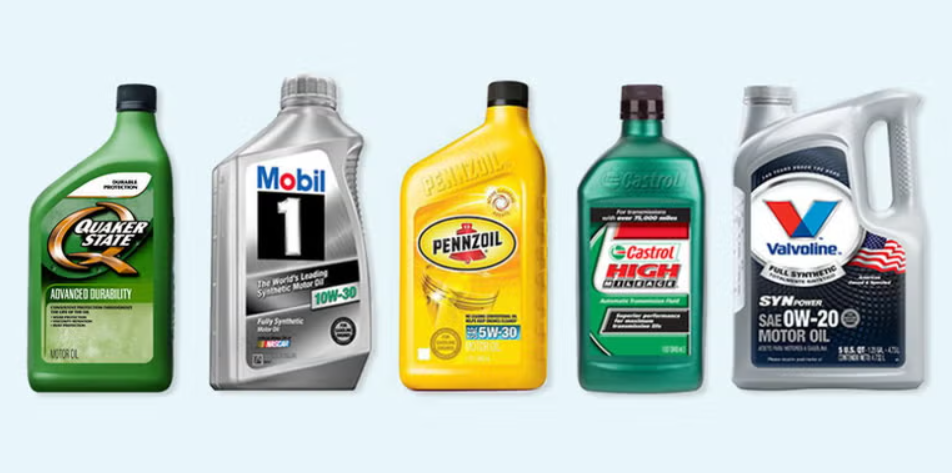
For various engine types and driving conditions, Mobil 1, Castrol, and Valvoline provide quality oils. Choose oils with API (American Petroleum Institute) or ILSAC (International Lubricant Standardization and Approval Committee) seals.
Best Motor Engine Oils Brands
Here are the brands you can trust for your motor oils.
1. Mobil 1
Mobil 1 is one of the top brands and is known for high-performance engine oils and extreme engine protection oils. Mobil 1 has oils for any engine type, including high-performance sports cars.
2. Valvoline
Valvoline is a trusted name and offers synthetic and conventional oils, including oils for older cars. Valvoline is known for its advanced oil protection.
3. Castrol
Castrol is known for producing high-quality oil. Castrol offers synthetic, semi-synthetic, and conventional oil. It is known for durability and strength, and the Castrol EDGE line of full synthetics has great strength.
4. Royal Purple
Royal Purple is a high-quality premium brand. It claims peak performance with superior protection and performance. Because of this, many racers and enthusiasts use Royal Purple.
5. Pennzoil
Pennzoil has many types of engine oil ranging from synthetic to high mileage and conventional oils. A popular choice among many customers is the Ultra Platinum Full Synthetic motor oil because of how exceptional it performs,
6. Shell
Shell has some of the best motor oils on the market. They protect engine parts and improve fuel efficiency. Diesel drivers love their Rotella T6 Full Synthetic oil because of how it handles extreme temperatures.
Benefits of Using the Best Motor Engine Oil
Using the best oil produces many great benefits for the vehicle.
- Greater Engine Protection: The best oil on the market ensures the most important components of the engine do not experience excessive wear
- Enhanced Performance: The engine oil of superior quality improves the performance of the vehicle and engine overall.
- Longer Engine Life: Oil helps keep your engine healthy, directly impacting how long it lasts.
- Better Fuel Economy: Less engine friction means your engine will use less fuel and oil.
- Cost Savings: Using the best oil promotes vehicle maintenance and repair costs.
When Should You Change the Oil?
The type of oil you use, your driving habits, and the type of engine you have will all factor in how often the oil needs to be changed. Synthetic oils can last longer than conventional, meaning you can space oil changes further apart than you would with non-synthetic oils.
Most people recommend oil changes after every 5,000 to 10,000 miles. However, it’s always best to check the owner’s manual first, as manufacturers will often state how often oil changes should be to keep the warranty valid.
What Are the Most Common Mistakes People Make?
It’s important to avoid the following common mistakes so that you don’t have to pay for expensive repairs down the road.
- The Wrong Oil: Make sure you are using the oil viscosity the manufacturer recommends.
- Different Oil: Never mix oil types. You will affect your engine’s performance and protection.
- Ignoring oil change intervals: Being negligent in changing your oil can result in engine wear and decreased engine performance.
- Selecting poorly rated oils: Be careful to select an oil that is rated no lower than API and ILSAC.
Frequently Asked Questions
Here are common questions about motor engine oil –
- What motor engine oil is best ?
For optimum performance and durability, the best motor engine oil will be full-synthetic oil.
- How will I know the right viscosity to select?
Consult the owner’s manual for the viscosity that the manufacturer recommends for the engine and for the climate.
- Is it okay to use synthetic oil in older engines?
Yes. In fact, synthetic oil may even offer some benefits for older engines, such as helping to protect your engine from Sludge buildup.
- Is it ok not to use high mileage oil in older cars?
Not all older cars need high mileage oil. However, if your engine is older and showing signs of weakness, high mileage oil may be useful.
- How often is it advisable to change oil?
Between 5,000 and 10,000 miles is the general rule. However, other factors should be considered as well, such as the type of driving done and the type of oil used. This should be outlined in your vehicle’s manual.
In Summary
Keeping your engine healthy and its life extended requires the correct motor engine oil. With the many alternatives available in the marketplace, it is imperative that you know the variances in motor engine oil types to select the right one for your engine. Manufacturer’s recommendations must be prioritized while taking into consideration the driving habits, the age of the engine, and the oil’s characteristics. Optimized motor oil, along with routine servicing of the engine, will prolong its top performance.


