


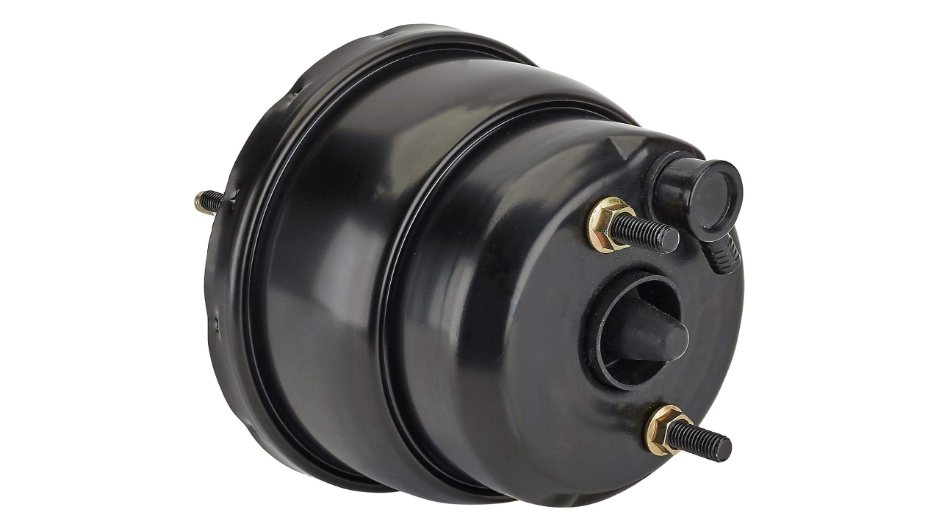
Brake booster replacement cost ranges from $300 to $800, depending on the vehicle and parts used. Luxury cars may cost more, while standard models tend to be less expensive.
A brake booster is a crucial component of your vehicle’s braking system, responsible for amplifying the force applied to the brake pedal. When this part malfunctions, it can cause significant issues with your car’s braking performance. If you are facing issues like a hard brake pedal or extended stopping distances, your brake booster may be at fault.
In this guide, we will walk you through everything you need to know about brake booster replacement cost, including the factors that influence the price, the steps involved in the replacement process, how to identify a faulty booster, and the average cost of replacement.

Contents
Brake Booster: Why It’s Important
The brake booster is a device that helps reduce the amount of effort required to press the brake pedal. It amplifies the force that the driver applies to the pedal, ensuring that the vehicle stops effectively with minimal effort. Without a brake booster, you would have to apply much more force to the brake pedal, especially at higher speeds.
There are two types of brake boosters:
- Vacuum Brake Booster: The most common type, which uses the engine’s vacuum to create the necessary pressure for the booster to work.
- Hydraulic Brake Booster: Found in some modern vehicles, particularly those with electric power steering, this type uses hydraulic pressure instead of vacuum.
A failing brake booster can lead to a variety of issues, including a hard-to-press brake pedal, a decrease in braking efficiency, and in some cases, the inability to stop the vehicle properly. This makes it a critical component for safety, and if it’s not working properly, it should be replaced immediately.
Brake Booster Replacement: Cost Breakdown
When it comes to replacing a brake booster, understanding the cost factors involved is crucial for budgeting the repair. The price can vary depending on several elements, such as the vehicle’s make and model, parts used, and labor rates.
What Is the Average Brake Booster Replacement Cost?
The brake booster replacement cost can range from $300 to $800, depending on several factors like your car’s make and model, the quality of the replacement part, and labor rates in your area. In this section, we will break down the cost into individual components to give you a clearer idea of what to expect.
- Parts Cost: The price of the brake booster itself can vary depending on whether you purchase an OEM (Original Equipment Manufacturer) part or an aftermarket one. OEM parts are generally more expensive but offer higher reliability and durability. Aftermarket parts can cost less, but the quality may vary depending on the brand.
- OEM Brake Booster: Generally ranges between $150 to $400.
- Aftermarket Brake Booster: Typically costs between $100 to $250.
- Labor Costs: Labor costs depend on the repair shop’s hourly rate and how much time is required to replace the brake booster. The average labor time is about 2 to 4 hours, depending on the vehicle’s make and model. Labor rates can range from $100 to $250 per hour, with an average cost of $200 for most vehicles. Labor costs may be higher at a dealership or in high-cost-of-living areas.
- Additional Costs: In some cases, other repairs may be necessary, such as replacing damaged vacuum hoses or the master cylinder. These can add another $100 to $400 to the overall cost. The exact amount will depend on the extent of the damage and whether the mechanic discovers other issues while working on your vehicle.
- Vacuum Line Replacement: If the vacuum lines are damaged, they may need to be replaced, which typically costs an additional $50 to $150.
- Master Cylinder Replacement: If the master cylinder is found to be faulty, you can expect to pay an additional $200 to $500 for replacement.
Factors Affecting the Cost of Brake Booster Replacement
The cost of brake booster replacement can be influenced by several factors. Here are the most significant ones to consider when estimating the total cost:
Vehicle Make and Model: The cost of parts and labor can vary greatly depending on your vehicle’s make and model. Luxury and high-performance vehicles, such as those from brands like BMW, Mercedes-Benz, or Audi, typically have more expensive brake boosters. These vehicles often require specialized parts and more labor-intensive work, which increases the overall cost.
Luxury Cars: Expect to pay around $500 to $1,000 for brake booster replacement, with higher-end brands requiring more expensive parts and labor.
Standard Vehicles: Most standard sedans, SUVs, and trucks will fall within the $300 to $800 range for replacement.
OEM vs. Aftermarket Parts: As mentioned earlier, you can opt for OEM parts, which are made by the original manufacturer and designed to fit your vehicle exactly. These parts tend to be more expensive but offer better reliability and a longer lifespan. Aftermarket parts, on the other hand, may not have the same level of quality or warranty as OEM parts but can be a more budget-friendly option.
- OEM Parts: Can cost up to 50% more than aftermarket parts but provide higher quality and a better fit.
- Aftermarket Parts: Generally more affordable, but quality can vary.
Labor Costs and Shop Rates: Labor costs can significantly affect the final price of brake booster replacement. Dealerships and high-end repair shops tend to have higher labor rates than independent mechanics or smaller auto shops. You can save money by choosing a local, trusted mechanic, but make sure they have experience with brake system repairs to ensure the job is done correctly.
Location and Regional Pricing: The region where you live can also play a role in how much you pay for brake booster replacement. Areas with a higher cost of living, like major cities, will typically have higher labor rates. Conversely, rural areas or towns with fewer mechanics may offer lower prices.
Additional Parts and Repairs: If additional parts are required (such as the master cylinder, vacuum lines, or other components), the cost of the repair will rise. Always ask your mechanic for a detailed estimate before proceeding with the job.
Step-by-Step Process of Brake Booster Replacement
Replacing a brake booster requires specialized knowledge and tools, so it’s typically best left to professional mechanics. Here’s a general breakdown of the steps involved in replacing the brake booster:
- Disconnect the Battery: Before working on any component of the braking system, the mechanic will disconnect the battery to ensure safety.
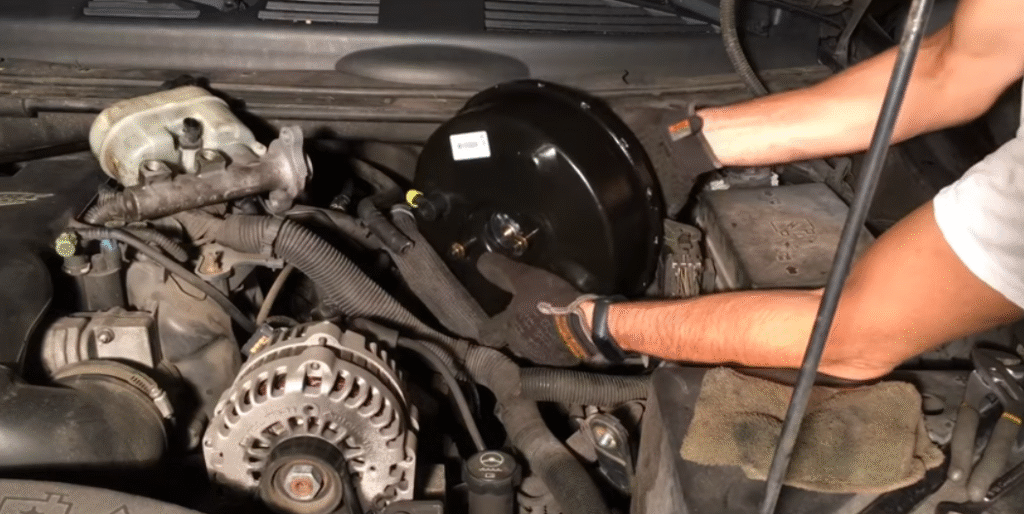
- Remove the Brake Master Cylinder: Since the brake booster is typically located behind the master cylinder, the mechanic will remove this component first to access the booster.
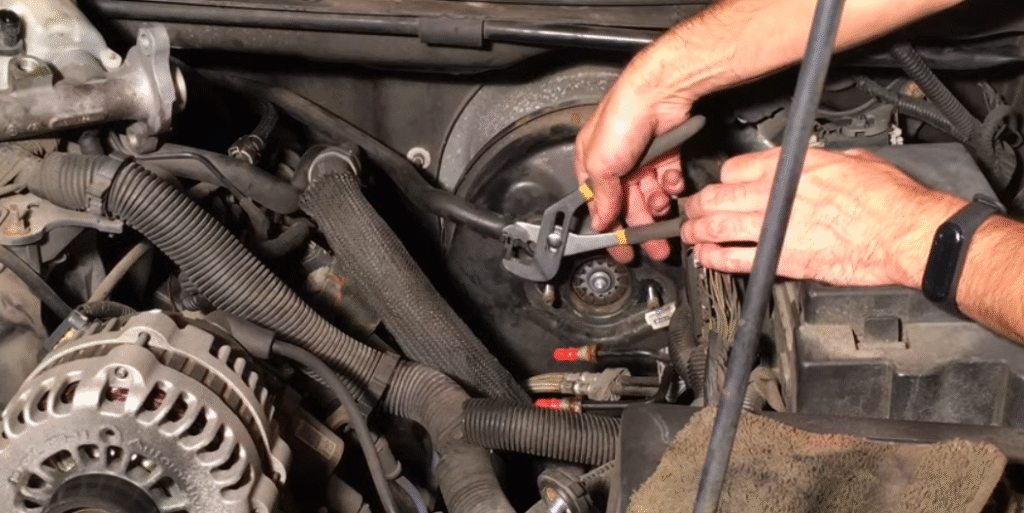
- Disconnect Vacuum or Hydraulic Lines: If the brake booster uses a vacuum system, the mechanic will disconnect the vacuum lines that are providing pressure to the booster. For hydraulic systems, the hydraulic lines will be disconnected.
- Remove the Old Brake Booster: After all necessary components are disconnected, the mechanic will unbolt and remove the old brake booster.
- Install the New Brake Booster: The new brake booster is installed in place of the old one. The mechanic will carefully bolt it into position and reconnect all the necessary lines and components.
- Reassemble the Brake Master Cylinder: Once the brake booster is in place, the brake master cylinder is reattached.
- Testing the System: After the installation is complete, the mechanic will test the braking system to ensure the brake booster is working correctly. This includes checking for proper pedal feel, braking power, and vacuum pressure.
- Final Inspection: The mechanic will conduct a final inspection to ensure everything is in proper working order before the job is completed.

Can You Drive with a Bad Brake Booster?
If you suspect your brake booster is malfunctioning, it’s essential to address the issue as soon as possible. Driving with a faulty brake booster can compromise your safety and the safety of others on the road. Here’s why:
- Hard Brake Pedal: A malfunctioning brake booster will make the brake pedal significantly harder to press, especially at low speeds or when coming to a stop.
- Longer Stopping Distance: Without the proper assistance from the brake booster, your car will require more time and distance to stop.
- Loss of Braking Power: In extreme cases, a broken brake booster can completely reduce braking assistance, making it nearly impossible to stop the vehicle.
If your brake booster is failing, you should not drive your vehicle. If you absolutely must drive it, take extra precautions by driving slowly and giving yourself plenty of space to stop.
Brake Booster Replacement: Cost Summary
Replacing a brake booster is a necessary repair to ensure the proper function of your vehicle’s braking system. The cost of this repair can vary based on several factors, including the type of vehicle, the parts used, and labor rates.
| Component | Estimated Cost |
|---|---|
| Brake Booster (Parts) | $100 – $400 |
| Labor (per hour) | $100 – $250 |
| Additional Repairs (if needed) | $100 – $400 |
| Total Estimated Cost | $300 – $800 |
Frequently Asked Questions
Here are some FAQs about brake booster replacement cost –
1. What are the signs of a failing brake booster?
- Hard or stiff brake pedal
- Extended braking distance
- Hissing sound when applying the brakes
- Reduced braking efficiency
2. How long does it take to replace a brake booster?
The replacement typically takes between 2 to 4 hours, depending on the complexity of the vehicle and the expertise of the mechanic.
3. Can I drive my car with a bad brake booster?
It’s not advisable to drive with a faulty brake booster, as it significantly affects your ability to stop the vehicle quickly and safely.
4. How can I reduce the cost of brake booster replacement?
To save money, you can consider opting for aftermarket parts instead of OEM parts. Additionally, getting quotes from multiple repair shops can help you find the best price.
Conclusion
Replacing a faulty brake booster is essential to maintaining your vehicle’s safety and braking efficiency. While the brake booster replacement cost may seem like an expensive repair, it is an investment in your safety. By understanding the factors that affect the cost and knowing what to expect, you can make a well-informed decision and ensure your car continues to perform at its best.


