


Can engine oil be used as chain lube? Yes, engine oil can be used as a temporary chain lubricant in an emergency, but it is not ideal for long-term use. It tends to attract dirt, doesn’t cling well to the chain, and can damage rubber seals, making it less effective compared to specialized chain lubes.
Lubricating the chain on any vehicle or piece of machinery is crucial, be it a motorbike, bicycle, or machinery. One question we get asked a lot, especially when the specific chain lube is not around is, can engine oil be used as chain lube? While engine oil, without a doubt, is a great lubricant for the inner parts of the motor, it is certainly not the best answer for chains. Sure, engine oil can be used as a makeshift solution for a short period, but long-term chain maintenance, engine oil is not the answer.
In this guide, we will analyze what is engine oil and chain lube, the pros and cons of using engine oil on chains, and alternatives for your chain maintenance.

Contents
- 1 What is the Purpose of Chain Lubrication?
- 2 Can Engine Oil Be Used as Chain Lube?
- 3 What is Engine Oil?
- 4 What is Chain Lube?
- 5 Pros of Using Engine Oil as Chain Lube
- 6 Cons of Using Engine Oil as Chain Lube
- 7 When Can Engine Oil Be Used as Chain Lube?
- 8 Engine Oil Replacements for Chain Lubes
- 9 Frequently Asked Questions
What is the Purpose of Chain Lubrication?
Chains are one of the most important components of bikes, motorcycles, or even machinery with chain drives. Chains need to be lubed to reduce the friction of the chain parts, protect the chain from damage, and to have the chain move smoothly; this also saves the sprockets. Chains also are very susceptible to catching rust and corrosion due to everything in the environment like moisture, dirt, and grime.
Key Functions of Chain Lubrication
Chain lubrication is very important for the longevity and functionality of your chain. Chain lubrication is important to reduce friction to protect the chain from rust to improve the performance of the chain lubrication to keep the chain clean and efficient.
- Reduce Friction: The aim of chain lubrication is to reduce the friction between the components of the chain. This allows for the chain to not stretch, elongate, or wear out too quickly.
- Preventing Rust: Chains are often exposed to the elements, especially when riding in the rain, snow, or humid conditions. Keeping chains in good condition and free from rust and corrosion will result in keeping the sprockets in good condition as well.
- Better Performance: An Optimally lubricated chain reduces the amount of friction, therefore energizing the performance of the vehicle. With a lubricated chain, the engine’s power is smoothly transferred to the wheels.
- Less Internal Damage: Chains lubricated with chain lube keep the rollers, pins, and bushings lubricated and functioning well. This is especially true for motorcycles, as the chain is a main component of the powertrain.
Can Engine Oil Be Used as Chain Lube?
While engine oil and chain lube might look similar at first, they are extremely different and serve different purposes, despite both being lubricants and easing friction.
What is Engine Oil?
Engine oil is made to work under radical temperature and pressure changes. It has multi purposes and is therefore expensive. It has to meet the requirements of all engines. It must dissipate heat and carry the heat away from the parts it lubricates and move the heat away from the parts it is cleaning. Oil must also dissolve carbon and sludge from the inner and outer portions of the engine.
It also has to ensure that the parts do not form rust from the oil. Also the oil must ensure that the internal parts have a good oil flow and continued lubrication. Engine oil is made in different thicknesses (viscosity) to adjust to the needs of the engine.
Now, engine oil is way too thick to be used as a chain lubrication product. It will at best work as a temporary solution, and will not do the chain as an engine oil would. The oil is designed to be used in closed loops, chains are open and are designed to be used in closed loops. This means that the chain will be exposed to elements like dust, water, and road grime. This is where chain lubes are made to be used, not engine oil.
What is Chain Lube?
When it comes to chain lubes, they are made to be used on chains. Chain lubes have specific requirements to meet. Some of these regulations are that they must:
- stick to the chain and not fling off under acceleration and braking.
- Penetrate into the inner and outer link as well as the roller and pins.
- not allow the presence of grime and dust.
- withstand the movement of parts and protect against the wear and tear.
Unlike engine oil, Chain lubes are less viscous at room temperature, enabling them to reach the interior of the chain, allowing them to reach and protect the most exposed parts of the chain. Chain lubes are also formulated with special additives that repel dust and dirt, keeping the chain cleaner and is better lubricated for longer.
Pros of Using Engine Oil as Chain Lube
Although engine oil isn’t the best choice for chain lubrication, there are a few benefits when using it in emergencies:
- Temporary Solution: If you need to temporarily lubricate a chain and don’t have access to chain lube, engine oil can serve as a quick fix until you can get the correct lubricant.
- Readily Available: If you’re in a pinch and don’t have any chain lube, engine oil is a readily available alternative. It may provide short-term lubrication and prevent the chain from rusting in the meantime.
- Cost-Effective: Engine oil is relatively inexpensive compared to specialized chain lubricants. If you’re on a budget or don’t ride often, you may be tempted to use engine oil as a cost-saving alternative.
Cons of Using Engine Oil as Chain Lube
Engine oil is not a good option to lubricate chains chain oils have many off road benefits over other oils, including engine oil, such as engine oil having many drawbacks, including:
- Chains do not Behave Well With Oil: Engine oil flows lighter than chain oil, designed for chains.engine oil is likely to be thrown off as soon as the chain begins moving past a certain speed. Chains have low friction requirements and require low friction oils. Chains have been designed to retain oil for longer chains and can retain more oil than average chains require longer reinjections.
- Oil is Dirty: Engine oil is sticky, making it attract any and all dirt. Sticky oils have developed a negative reputation, but also because they utilize lighter flows than average to create a more viscous oil. Dirty chains create dirt, soil, and chains; and as they become coated in dirty oils, the dirt can even create a paste, making dirty chains dirty even dirtier pastes. Chain lubricants create between dirt, soil, and chains, creating a chain cleaner and soil removal system, while pastes don’t do anything as dirt and soil are not removed.
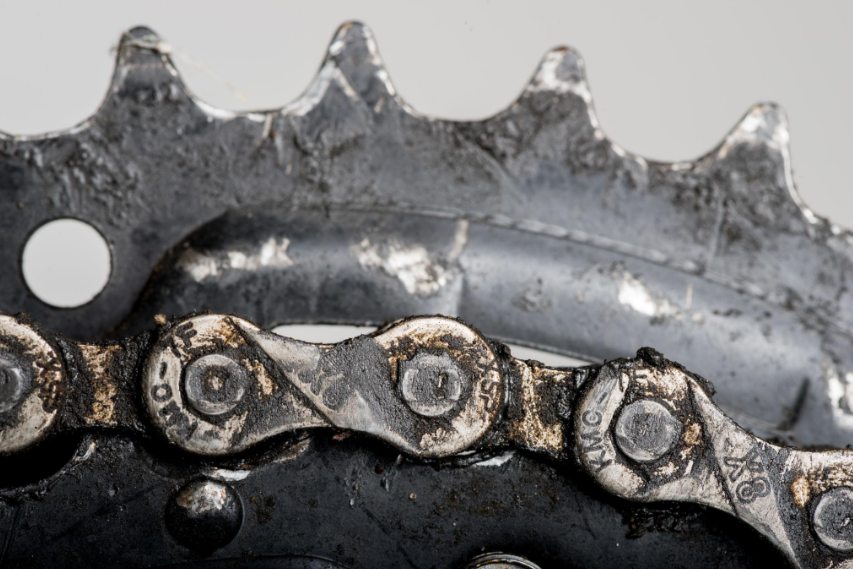
- Can Damage Chain Seals: Modern chains have rubber O-ring or X-ring seals that keep the chain’s lubricant in and dirt out. Engine oil has rubber-deteriorating chemicals and detergents that rubber seals can’t withstand. This leads to the loss of grease in the chain and reduces the adjustable life of the chain.
- Requires Frequent Reapplication: Engine oil doesn’t sticky to the chain like chain lubricant does so it has to be reapplied a lot. This can lead to more maintenance time, and overall, it’s far less convenient than using a proper chain lubricant that stays on longer.
When Can Engine Oil Be Used as Chain Lube?
Engine oil is not the best method, but there are scenarios when you can use it:
- In Emergencies: On a ride, in the event you realize your chain is dry and have no way to access chain lube, you can use engine oil as a mid-barrier. It will lubricate your chain and keep it from immediate rust. However, you will have to clean the chain and re-lube it as soon as possible.
- What to Do After Cleaning the Chain: When you finish cleaning your chain, you might not have chain lube on hand. To prevent the chain from rusting while you are waiting to get chain lube, you can apply a thin layer of engine oil.
Engine Oil Replacements for Chain Lubes
Now that we know that engine oil is not the best solution for chain lubrication, let’s explore the best options for chain lubrication.
- Lubes that are Wet: If you have a ride that is not going to be clear and muddy you should use these. They create a thicker layer of protection that will resist and protect from rust. They are best for long rides where the environment is wet.
- Lubes that are Dry: If your ride is going to be dusty and dry this is what you need. They provide a thinner layer of protection, and prevent a chain from building up dirt and grime. They are not waterproof, but are good at keeping your chain clean.
- Lubes Based on Wax: If you want to have your chain clean for a long time and be less clean than the other lubes, then this is perfect for you.
- Gear Oil: Some motorcycles can use gear oil instead of engine oil. Gear oil is thicker than engine oil and has a better resistance to fling-off. Gear oil is not as effective as a specialized chain lube and is not as effective as other options, so it should only be used in emergencies.
How to Properly Lubricate a Chain (Using Chain Lube)
Maximizing the life of your chain and sprockets means following this proper procedure for chain lubrication, it is very important.
- Clean the Chain – The chain has to be cleaned very well before using a new chain lube as the old oil and dirt have to be gone, so a degreaser can do this.
- Apply the Lube – The chain lube has to be evenly distributed, so do it little by little onto each link, and do it slowly while moving the wheel in the highest speed.
- Let the Lube Settle – The lube has to penetrate very well, so Wait about 10-15 minutes for the drying of each link.
- Wipe Off Excess Lube – Excess lube have to be wiped as well, otherwise dirt and oil will be all over the link.
Related Article
Engine Oil Color Chart
How to Dispose of Engine Oil Without Harming the Environment
Is Engine Oil Flammable?
Frequently Asked Questions
Here are some FAQs about using engine oil as chain lube –
- Is it okay to use engine oil as chain lube?
Engine oil is one of the lube options, but it is not one of the better options. It gathers dirt and flings off of the chain. It is a temporary solution, and you should switch to a proper chain lube as soon as you can.
- How lube often should I use chain lube?
You should use chain lube every 100-150 miles (depends on how often you ride). If you ride in rain or mud a lot, you will need to clean your chain and apply chain lube more often.
- Is it safe to use engine oil on chains?
No. Using engine oil will slowly deteriorate chain seals and make dirt build up faster, which will deteriorate the chain and sprockets faster.
- Which chain lube should I use when it’s rainy?
When it’s rainy or muddy, you should use wet lube. Wet lube is thicker than dry or wax lube and protects your chain from rust.
- Can I use gear oil on my chain?
You can use gear oil on your chain in emergencies since gear oil is thicker than engine oil. However, it’s still preferable to use chain lube to get the best protection.
Conclusion
It is not the best option for chain maintenance to use engine oil as chain lube in emergencies. Engine oil, in general, damages the seals, dirt and grime will be attracted to the chain, and it cements the rubber seals. The chain lubricants are created in a way to keep all the seals in the system, dirt will be repelled, and all the parts of the chain’s internal system will receive protection.
Using a specialized chain lube is best for the long-term health of your chain. All types of lube (wet, dry, or wax) will keep your chain in better condition, keep your bike in better condition, and save you money on repairs in the long run.


