Driving with the parking brake on causes excessive friction, overheating, and damage to the brake system. It also reduces performance and increases fuel consumption. Always release the parking brake before driving.
Driving with the parking brake on is a mistake that many drivers make. It is an oversight that may be easily forgotten after parking, but can be a problem. While driving, an engaged parking brake, whether due to a rush or distraction, can result in costly damage to your vehicle’s braking system due to undue strain on the brakes.
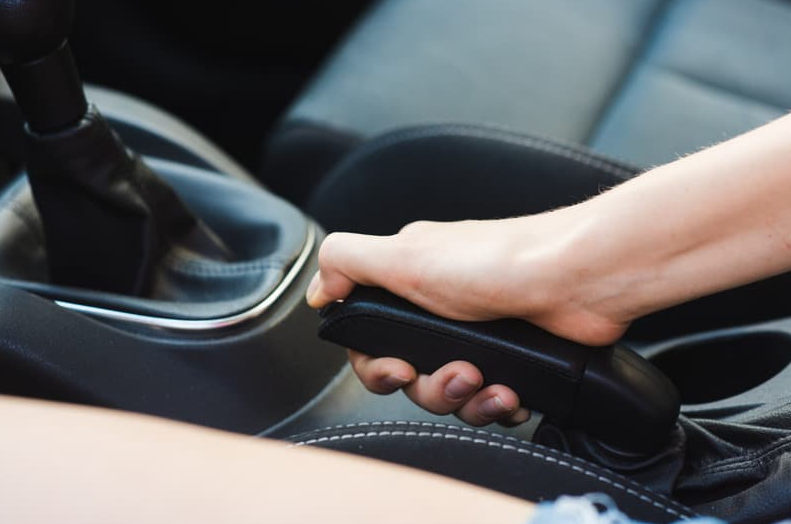
The parking brake, also known as the handbrake or emergency brake, is designed to keep your vehicle stationary after it is parked. It applies pressure to the rear brakes to prevent the vehicle from rolling. However, once your vehicle is in motion, the brake is counter-productive.
This article will help you understand the consequences, the depth of the problem, and help you establish a system to prevent the problem in the future. Taking the time to understand the potential damages of driving with the parking brake on your vehicle will help to keep it in serviceable, full operating condition.
Contents
- 1 Parking Brake
- 2 Can You Drive with the Parking Brake On?
- 3 Immediate Effects of Driving with the Parking Brake On?
- 4 Long-Term Damage from Driving with Parking Brake On
- 5 Indicators of Having Driven with the Parking Brake On
- 6 Things to Do if You’ve Been Driving With a Parking Brake On
- 7 Frequently Asked Questions
- 8 Conclusion
Parking Brake
The parking brake, handbrake, emergency brake or e-brake is a secondary braking system used to keep your car in a fixed position when parked. The foot brake, on the other hand, is a brake used to stop the car while driving. It is used when you want to keep your car from rolling while it’s stationary.
It gets touched on the rear brake pads or the rear brake shoes. In modern cars, parking brakes are often electronic (also known as EPBs, or Electronic Parking Brakes) in which a button or a switch replaces the hand lever or foot pedals. Old cars with parking brakes used a mechanical cable connected to the rear brakes.
Can You Drive with the Parking Brake On?
You can drive with the parking brake and turn the wheels, but you should disengage the brake before you drive. The parking brake is designed to be used while the vehicle is in motion. However, when the parking brake is activated, the brake is set to continue holding pressure, causing a tire to rotate with a lot of friction. In a lot of situations, no value is delivered, but in a lot of cases, value is delivered with friction.
Driving with the parking brakes set will result in wearing the brakes, but in serious scenarios, the brake components can suffer serious loss. The longer you drive with the actuator/break set to engaged, to set loss will increase, brake loss will increase, and driving symptom severity will increase, especially if you drive quickly for a long time.
Immediate Effects of Driving with the Parking Brake On?
This is a serious concern since driving the actuator while engaged will cause friction, loss, and increased risk to you and your vehicle. Are there problems? Yes, and if you are in the vehicle and you have been driving with the parking brake set, you both should stop the vehicle. Please do a safety brake to the steering wheel, and please do the safety stop with the parking brake disengaged. You should also do a safety stop.
1. Sluggish Acceleration and Loss of Power
Driving with the parking brake on can lead to poor and slow acceleration. Having the parking brake on means the rear brakes are engaged, and the car will need to overcome this added resistance, making it less responsive. You will struggle to reach normal acceleration or maintain a consistent speed, even if you mash the gas.
This occurs since the parking brake engages some brake pads, causing friction that inefficiently moves the car. Old, burnt brake pads need to be overcome by the engine. This requires a lot of power, which leads to slow engine performance.
2. Overheating and a Burning Smell
Driving with the parking brake on will cause a burning smell and overheating. Excessive friction will be caused by the brake pads and rotors. As heating and friction increase, the brake system will cause a burnt rubber or hot metal smell.
Some issues come with driving with the parking brake applied. One of these is the chance of smoke developing around the brake area. This is an indicator that the brake parts are getting way too hot. Things can get serious if the braking parts get hot enough to make the brake fluid boil, along with warping the rotors, leading to brake failure. Major problems can develop with the whole braking system if the heating is allowed to occur for too long.
3. Increased Fuel Consumption
Increased fuel consumption is also something to consider. When the parking brake is engaged, the car needs to put in much more effort to move, and the engine has to compensate for all the additional resistance. This makes the engine work harder and burns way more fuel. If you frequently drive with the parking brake on, you will very likely notice that you have to refuel the car much more often.
Increased fuel consumption directly relates to an increased and quicker wear on the engine. This will have a major affect on your car’s overall fuel consumption, and will likely shorten the engine’s lifespan considerably.
Long-Term Damage from Driving with Parking Brake On
Driving with the parking brake engaged is a catastrophic driving mistake, but the most harmful stuff won’t come right away. Driving with the parking brake engaged creates stress to the vehicle’s entire brake system. This could result in major repairs down the road.
1. Worn Out Brake Pads and Rotors
After a long period of driving with the parking brake engaged, one of the most damaging concerns is the excessive wearing of brake pads and rotors.
One major issue is that the brake pads are psychically built to push down and create friction to stop the vehicle, but now they get constant pressure down on them so they are themselves not stopping the vehicle and wind up getting worn down faster than typically.
But if that brake pad is continuously getting friction, they may push against the rotors with too much pressure and wind up getting warped. This can result in expensive repairs. If they remain warped, they could push down on the braking system and result in brake failure. This is a major safety concern.
2. Overheated Brake Fluid
An engaged parking brake heats the entire brake system. Brake fluid, which is engineered to handle extreme heat, will begin to heat. Once the fluid reaches its boiling point, it starts to vaporize, making the brakes ineffective. When the brakes can no longer stop a vehicle, that’s called brake fade.
Moisture contamination is brake fluid’s worst enemy. Contaminated fluid reduces boiling point and allows vaporization to occur more readily, worsening brake fade. Operating a vehicle in this condition is extremely dangerous, as the system can completely fail without warning.
3. Damage to Brake Cables and the EPB Motor
Cars that use a mechanical parking brake for emergency holding lose functionality in the brake cables that control the parking brake system. After a while, the cables will begin to stretch and can become fully damaged. When stretching occurs, systems will break and the parked brake can become stuck. This condition will prevent the driver from moving the vehicle.
If there is an electronic parking brake (EPB) system in the vehicle, there is a motor that controls the electronic brake system. Driving with the brake on will cause the motor to work harder. This can lead to a premature motor suffering from overwork. Motor or actuator replacement is certainly not an inexpensive matter (especially if it has to be done several times).
4. Brake Warning Light
In modern cars, there are sensors that know when the parking brake is on. If the parking brake is on and you start moving, you will see the brake warning light on your dashboard. This means that there is an issue with the brake system.
If you choose to ignore the warning light, it will cause even more damage to the brakes that becomes more difficult to repair at an increased cost. The light is also an even more clear warning to release the parking brake before you drive and prevents all of the above from happening.
Indicators of Having Driven with the Parking Brake On
There are some clear signs to pay attention to while driving to avoid causing yourself and the vehicle further damage. Let’s take a look.
Bad Smell: Parking brake engaged then burning brake smell, all indicators of the parking brake.
Sluggish Acceleration and Acceleration Problems: You will notice a substantial lack of acceleration even and especially if the gas pedal gets pushed all the way down.
Brake Light: Getting a brake parking light on the dashboard and not having it turn to the off position after you’ve driven for a while indicates it is still engaged. Read more about Brake Lights Won’t Turn Off.
Unusual Noises: New and unusual grinding or screeching sounds you’ve not heard before are indicators that brake pads are being worn down by the rotors being pushed right against them.
Hot Wheels: The wheels feel abnormally warm to the touch.
Once you notice any of these signs, you should pull over and release the parking brake.
Things to Do if You’ve Been Driving With a Parking Brake On
If you discover driving with the parking brake on, you must take steps to correct the issue. Specifically, you’d have to take the steps below to ensure your safety and the safety of your brake systems.
Pull Over Safely: Find the first safe driving area, parking lot, or the first intersection to stop driving. You’ll want to stop driving to reduce the level of potential brake damage.
Release the Parking Brake: After you stop, and ensure you are fully stopped, you should release your parking brake to fully disengage the parking brake and have free control of the car systems.
Hear Out Your Brakes: After releasing the parking brake, you should listen to your brake systems to ascertain that you haven’t gone brake driving too long. If you feel that you’re hearing unusual brake sounds or feel that the car is braking too weakly, stop driving and go get the car serviced by a brake specialist mechanic.
Cool the Brakes: If your car brakes feel hot, you should stop driving the car and let the brake systems cool before you continue driving. Driving with hot and damaged brakes systems is highly unsafe.
Visiting Brake Mechanic is Required: If you feel like you’re hearing damaged and hot brake systems, or the parking brake warning light is still on, a brake mechanic needs to help you.
Preventing Driving with Parking Brake Engaged
The following tips will help you remember to not drive with your parking brake on.
- Get into the Habit of Checking the Parking Brake
Always check your parking brake before you drive somewhere. Make sure it is fully disengaged before you change gears. This will help you to not drive with the parking brake on.
- Use the Parking Brake Only When it is Proper to Use
Always make sure to fully engage the parking brake every time you leave your car. This is especially true for to manual transmission cars, where the parking brake is the primary means of keeping the car secure.
- Always Check the Parking Brake Light
It is important to always check the parking brake light on your dashboard to ensure it is not on. If at any time the light is on while driving, be sure to check the parking brake. If the light is on while you are driving, make sure to disengage the parking brake.
Frequently Asked Questions
What you should know about driving with the emergency brake engaged –
1. If I engage my parking brake, is it safe to drive for a short time with it on?
No it is not safe to drive with your parking brake on, even for short distances. Driving with your parking brake on will damage your braking system. Always ensure that your parking brake is disengaged before you drive.
2. Does driving with the parking brake engaged hurt the transmission?
The focus with driving and stopping with the parking brake activated is of course the brake system. Older vehicles with this trouble will transmit excessive strain to the drivetrain system and possibly cause issues.
3. How long can I drive with the parking brake on for damage to accrue?
It is critical to understand that damage can accrue and actively engage even within a few minutes of driving with the parking brake on. It is always best to stop driving as soon as this mistake is reconnized even if it means stopping at a busy stop.
4. From driving with the parking brake on, how do I know if my brake pads are worn?
It is best to have worn pads or brake taking a look and they are more likely to warn you of their worn condition. Possible symptoms are a squeal or a grinding noise when stopping. If you plan to drive with the brake engaged, make this a priority before you do since worn brake pads will make pads more likely to — lose their ability stop the vehicle.
Conclusion
Though many people do drive with a parking brake still engaged, and many make it a daily routine, the damage it can do can be really serious. With the parking brake engaged, it causes the braking system and engine to put in more work. Without the added strain, the components will be subject to less tear and wear. With a simple once-over to check the brake, drivers can make encouragement of more thoughtful driving and better and more efficient driving a reality.
As it may seem a little extreme, it’s true – We’ve all heard the expression, ‘When in doubt, check the parking brake’. Before driving on with your day, taking a quick check will save a lot of unnecessary time, hassle and money.