


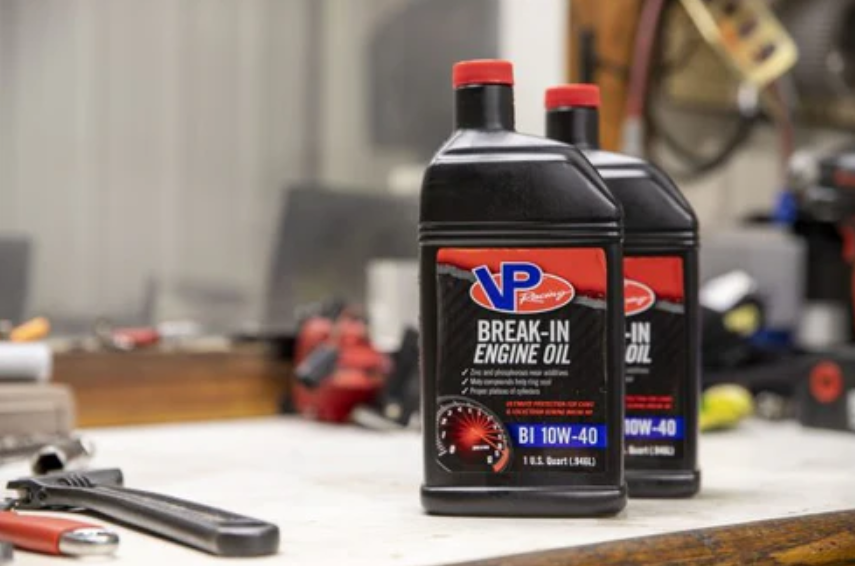
Engine break-in oil is a special type of oil designed for the initial miles of a new or rebuilt engine. It helps ensure proper wear and reduces friction during the engine’s break-in period, promoting long-term performance and durability. Once the break-in period is over, regular motor oil should be used.
When you get a new vehicle or rebuild an engine, one of the key components of ensuring long-lasting performance is the engine break-in oil. Engine break-in oil is designed to provide the proper lubrication during the critical initial miles of an engine’s operation. This oil is specially formulated to help the engine’s moving parts wear in smoothly, preventing premature damage and ensuring that everything functions optimally.
In this blog post, we’ll dive into everything you need to know about engine break-in oil, from its purpose to how to use it correctly. Whether you’re a first-time car owner or a seasoned mechanic, this guide will give you a deeper understanding of why break-in oil is crucial for engine longevity.

Contents
What is Break-in Oil?
Most people are shocked to learn that break-in oil isn’t like regular old oil. It is specifically meant for the new or rebuilt engine’s initial run-in phase. Because of this, the oil has a completely different formulation. For the first few thousand miles, a new engine has a lot of friction. Because of that, it is recommended to have high levels of zinc and phosphorous for that engine. This oil greatly helps the engine parts wear in.
Stay all day oil is not meant for long-term use because it is meant to help the engine go through the process of first stages of wear. After the engine is done breaking in, it is safe to use normal engine oil.
Why Engine Break-In Oil is Needed
The break in period is extremely critical. While the engine is new, the parts along the pistons, rings, and bearings need to adjust to one another and create a seal. Engine break-in oil is designed to assist in this process in several ways.
1. Providing the Right Wear
The use of a new engine causes the components to become rough on the inside. Break-in oil plays a part in the smoothing of surfaces. Oil reduces friction, and therefore, the parts will wear down evenly. When high friction spots are present, they could cause damage and increase wear.
2. Protecting Metal Surfaces
The piston rings and other metal parts have not seated completely, and small amounts of wear will occur. Break-in oil acts as a buffer, reducing initial wear and preventing damage from occurring. This is crucial in preserving engine function.
3. Mitigating Heat and Friction
A lot of heat is generated in new engines in the initial few hours of functioning. Break-in oil helps in keeping this metal wear under control by creating a protective layer that prevents direct contact between the components and helps in reducing friction. This is vital in controlling the heat and overall functioning of the engine.
4. Keeping the Engine Clean
While the engine is breaking in, tiny metal particles are created from the wear of the components. Break-in oil is formulated to hold these particles, preventing the contaminants from damaging other surfaces inside the engine. Over treime, this oil becomes so much laden with these contaminants that a net effect is created to facilitate smoother functioning of the engine.
How Long Should You Use Engine Break-in Oil?
An engine’s break-in oil typically lasts 500 and 1,000 miles. The oil is meant to help new engines help the engine wear and adjust to regular movements. After this break-in period, you should switch to synthetic oil, which protects engine parts from wear and tear for a long time.
A new or rebuilt engine is considered fully broken in after the first oil change, meaning it can handle the regular oil’s wear and tear.
How to Use Engine Break-In Oil Properly
These tips will help you use break-in oil the right way:
1. Install Break-In Oil Correctly
Your new and rebuilt engines will have their oil changed for the first time. This means you’ll need to use break-in oil that’s right for engine break-in oil. Engine break-in oil is meant to help.
2. Don’t Add More Than Required
Follow the manufacturer’s guideline as to how much break-in oil should go into the engine. More oil could mean more pressure which could create leaks and other issues. When oil is added, do a check of the oil to be certain that it is within the requirements of the manufacturer’s guidelines.
3. Do It Early
Changing the break-in oil in the first 500 to 1,000 as the manual prescribes is a mandatory evil of the break-in period. It is a necessity that is meant to take a hold of the metal shavings that settle into the oil as a result of the break-in event.
4. Keep It Managed
Measure the oil and the state of the engine. Eliminate guess work and assess the circulation of the oil and the state of the engine and eliminate all chances of it being damaged.
Break-In Oil for Engines: Choosing the Best Fit for Your Engine
You can get engine break-in oils from multiple brands, but you have to pick the right one for your engine. There are multiple factors to consider when choosing break-in oil for your engine:
1. Engine Oil Viscosity
The right engine oil viscosity is important for proper lubrication. The manufacturer’s specification should state the right viscosity to use for the engine. The engine manual can tell you the viscosity range that would be suitable, but most engines usually need a 5W-30 or 10W-30 viscosity oil.
2. Zinc and Phosphorus
The right engine break-in oil should have a high level of zinc and phosphorus because those additives can break down engine oil. If you can get oil break down additives that could help reduce friction and engine wear during the break-in period, you should get it.
3. Engine Break-In Oil Brand
Make sure that the engine break-in oil you are buying is from a reputable brand. Engine break-in oils are made by some of the most trusted brands in the automotive industry, such as Royal Purple, Brad Penn, and Joe Gibbs Racing.
4. Synthetics vs. Conventional Oil
Certain manufacturers may suggest using synthetic break-in oils or conventional oils instead. Since synthetic oils provide better high-temperature protection and stability, make sure to always follow the manufacturer’s specs for the specific engine.
Common Mistakes Engine Break-in Oils Users Make
The use of engine break-in oil requires the user to avoid certain mistakes to ensure the process is done correctly.
- Not Performing the Break-In Period: Some engine owners believe that putting break-in oil is skipping the process. Starting regular engine oil will be damaging and result in the shortening of engine life.
- Not Performing the Engine Oil Change Early Enough: Engine oil changes must be done as soon as the break-in period is considered overdue. Inadequate engine oil changes will lead to the engine’s destruction.
- Under Oil Break-In Period: Break-in engine oils may lack the required quantities of zinc and phosphorus. It is important to use quality, high engine oils that are made for break-in.
- Over Use of Engine Load: From the break-in period, little engine load, and engine RPM’s should be maintained. Engine load and RPM should be increased gradually and the engine is used and the engine staff begins to wear.
Related Article
Which Engine Oil for My Car
Is Engine Oil Flammable?
Does Engine Oil Go Bad?
Frequently Asked Questions
Here are some FAQs about engine break in oil –
1. How long should I use break-in oil?
You should only use break-in oil for the first 500 to 1000 miles of use. This period should be followed by the use of standard motor oil.
2. Can I use standard oil instead of break-in oil?
It is generally advised against using standard oil during the break-in period. The reason for this is that ordinary oil does not assist in the process of initial wear-in and may cause less than adequate protection.
3. Is synthetic oil good for break-in?
Some engine manufacturers recommend using synthetic oil for the break-in period while others recommend using regular (non-synthetic) oil. Always consider the specifications of the engine in such cases.
4. What are the consequences of not using break-in oil?
Avoiding the use of break-in oil makes it possible for the engine components not to settle properly during use, this causes excessive wear and may cause lasting damage to the engine.
Conclusion
Using the correct type of engine break-in oil during the break-in period of a new engine or a rebuilt engine is key. This type of oil minimizes wear on the engine parts while maximizing longevity of the engine. Always select premium break-in oil and follow the manufacturer’s recommendations for oil-change intervals.


