


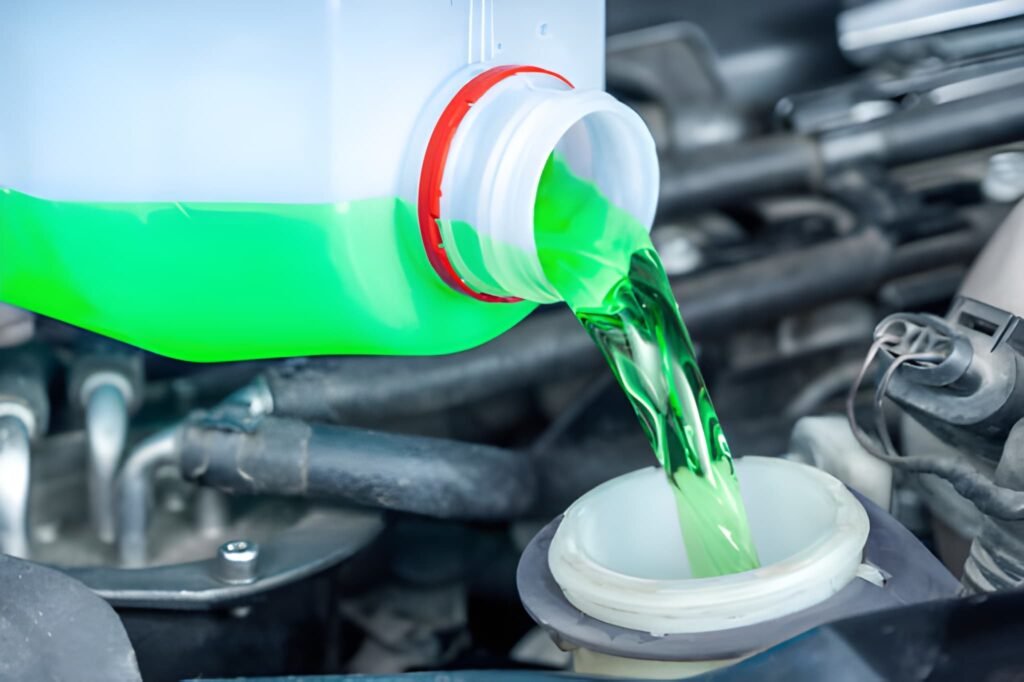
An engine coolant flush service removes old coolant and replaces it with fresh fluid to keep the engine at the right temperature. It helps prevent overheating and ensures optimal engine performance.
The service known as Engine Coolant Flush is very important when it comes to maintaining your vehicle. It consists of draining old coolant, flushing the cooling system, and replacing old coolant with new coolant. Coolant is also known as antifreeze and it does serve a critical purpose as it helps the engine regulate temperatures by overheating when hot, and freezing when it is cold. If old coolant is left in the engine it could potentially damage the engine because old coolant can degrade and become less effective.
Services such as these help to ensure that the engine does not overheat, and helps prevent corrosion and damage to the radiator, water pump, and thermostat. This article will explain how the service works, why it is important, how often it is performed, and the benefits that it provides.
Contents
What is An Engine Coolant Flush Service?
An engine coolant flush service is when the ineffective old coolant from the engine is removed and replaced with new fresh coolant. This new coolant circulates around the engine’s cooling system in order to absorb any excess heat in order to maintain the engine at an optimal temperature.
How does a Coolant Flush Work?
Here’s a step-by-step breakdown of what a technician does during a coolant flush service:
- Draining the Old Coolant: To start, the technician drains old coolant from the engine, trying to remove as much fluid as possible to keep the system as clean as possible.
- Flushing the Cooling System: Next, the technician uses a flushing solution to remove debris, contaminants, and even rust from the system to clean any old buildup that could potentially obstruct the coolant from flowing and affect its performance.
- Refilling with Fresh Coolant: Then, the technician adds fresh coolant to the system. He or she uses a mixture of antifreeze and water that complies with the OEM specifications to ensure that the vehicle’s cooling system has the right coolant.
- Checking for Leaks: Lastly, the technician tests the system to ensure that it isn’t leaking, and adjusts the coolant to the proper level.
What are the Benefits of an Engine Coolant Flush?
When engine coolant isn’t flushed, there are a multitude of negative effects that can occur. Neglecting coolant flush services can cause engine overheating, corrosion, and other major engine problems. These issues can damage your engine in a serious and irreversible way. Here’s a deeper look into the negative effects due to neglecting engine flush services.
1. Overheating
In a properly working system, engine coolant absorbs heat to prevent the engine from overheating. Because of the serious damage that can be caused by overheating engine, and the critical engine components that can be damaged, it is crucial that you get coolant flush services before your coolant breaks down.
When your coolant breaks down, and you fail to get coolant flush services, engine components can develop serious hot spots. These problems can stress your engine, and cause a loss of power, and even a total engine failure. Overheating can also damage the head gasket, pistons, and radiator.
2. Engine Efficiency
One of the least talked about effects of engine coolant is that it helps improve the overall efficiency of your engine. It also helps improve the efficiency by allowing your engine to operate without the risk of overheating, and using fuel inefficiently. Old coolant, however, does not allow for this due to contaminants.
The more an engine runs and the less fuel it uses, the less it pollutes. It won’t have to waste energy to cool itself when the coolant isn’t degraded, so it won’t cool itself.
3. Prevents Corrosion and Rust
Coolant works to keep the engine cooling system safe from rust. It protects the inside of the radiator, water pump, and cooling system from rusty over things. The engine works less efficiently when there is a coolant leak. Eventually, it can fail.
A coolant flush gets rid of the old coolant and rust and brings a fresh coolant, which serves to keep everything safe from rust.
4. Extends the Life of the Engine
The cooling system is made to maintain a specific temperature. If it is not regularly flushed out, it can lead to high cost repairs or replacement of the whole engine.
The engine’s cooling system can continue to run smoothly with regular coolant flushes. This keeps the entire system functioning optimally and prolongs the life of the engine. Regular maintenance keeps the engine running efficiently for years.
5. Less Chance of Costly Repairs
An engine coolant flush service lessens the likelihood of major cooling system breakdowns, like a cracked radiator or blown head gasket, that lead to very expensive repairs. Keeping the cooling system clean and maintained means major issues become a possibility less often. This saves you money because regular coolant flushes catch leaks, corrosion, and other issues that could lead to serious problems.
When is the Right Time to do an Engine Coolant Flush?
Doing an engine coolant flush service depends on how old the vehicle is, the type of vehicle, the coolant being used, etc. But generally here are some tips to keep in mind:
1. 30,000 to 50,000 Miles
Most vehicle manufacturers recommend getting coolant flushes in a range of 30,000 to 50,000 miles. Ensure to check the owner’s manual for the vehicle to see how often they recommend coolant flushes. If they don’t specify you can be on the safe side and go for a coolant flush in that range.
Some longer life coolants don’t require a flush for 100,000 miles, however most manufacturers are backed by safety regulations and recommend flushing the coolant long before that.
2. Engine Overheating and Rusty/Brownish Coolant
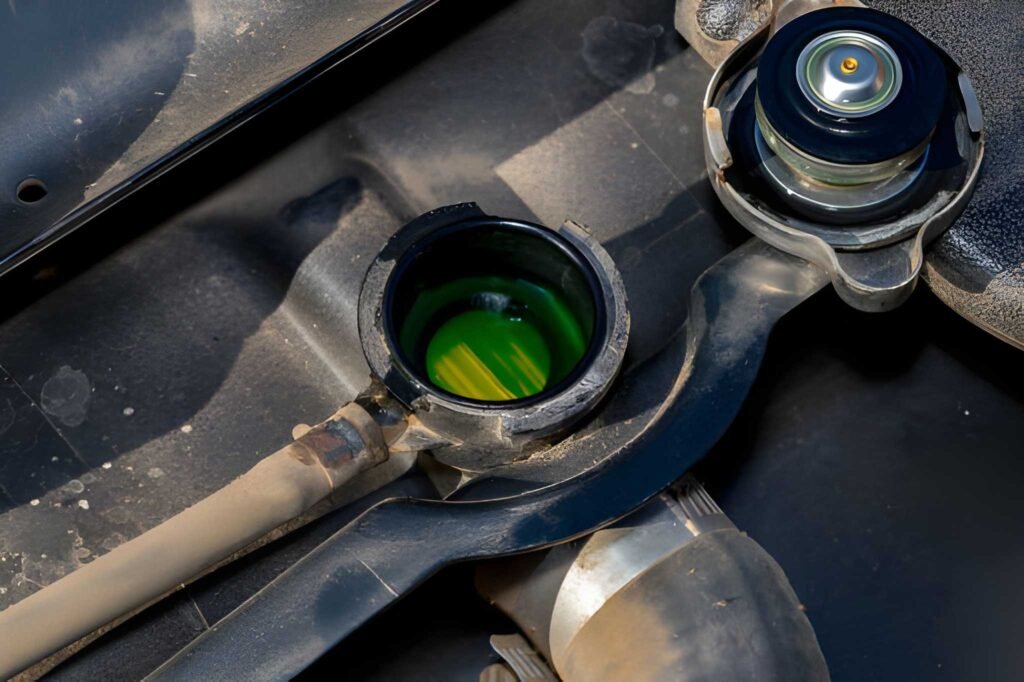
Rusty or brownish coolant and any Engine overheating are immediate signs that a coolant flush is necessary. Rusty and brownish coolant indicates ineffective low quality coolant and an insufficient system clog hindered from failure.Missing coolant can indicate two potential problems: a coolant leak somewhere in your system, or it’s a sign that your coolant is too old to adequately circulate through your system.
- After You Repair the Radiator or Cooling Components
If you’ve repaired the radiator, water pump, or any other cooling components, I recommend you get a coolant flush to avoid having the system get contaminated with debris. This helps to keep the system clear and avoid any potential issues with the cooling system.
- Every Two Years On Older Vehicles
If the vehicle is old or has a lot of mileage on it, it is recommended to do a coolant flush every two years. The older the vehicle, the more vulnerable the cooling system is to wear and tear and the faster coolant can lose effectiveness. A consistent flush ensures the engine can performs and stays cooled.
The Considerable Benefits of an Engine Coolant Flush
With all the benefits that come with a coolant flush, ranging from avoiding an overheating engine to keeping it performing, there are also long-term benefits to how your engine behaves.
- Prevents Engine Wear
Wear can occur on the internal pieces of an engine if old coolant solidifies and becomes acidic. A coolant flush involves putting in a new coolant that protects against rust and sludge so that the internal pieces do not grind against each other.
- Improves Fuel Efficiency
If an engine is overheating, then it is working inefficiently and guzzling fuel. Engine coolant flush services prevent overheating by making sure the engine is on par with the required temperature so that fuel consumption is less and savings at the pump can be realized.
- Preserves the Value of the Vehicle
If you’re planning to sell the car, keeping the coolant flushes up to date is also a way to enrich the value it can be sold for. Being free of issues in the cooling system and servicing the engine brings up the worth to buyers. Regular upkeep makes your vehicle a more valuable asset.
Cost of Engine Coolant Flush Service
An engine coolant flush typically has a set price of about one hundred twenty-five dollars. Although, depending on a person’s vehicle, that price may be higher. This is because different vehicles take different types of coolants. Some even require extra services such as adding a new radiator or replacing hoses.
An engine coolant flush helps you avoid more costly repairs in the future. It is a good investment because it puts a stop to engine overheating or corrosion.
Frequently Asked Questions
Here are some FAQs about engine coolant flush service –
- What Exactly is an Engine Coolant Flush?
An engine coolant flush is the service that, drains the old coolant, services the cooling system, and then adds new, clean coolant. This helps keep the engine working properly.
- How Often Do I Need a Coolant Flush?
Thirty to fifty thousand miles is the normal distance that a car should go to require a coolant flush. Newer cars have longer mileage periods that can extend to one hundred thousand miles before they require a flush.
- Can I Drive Without a Coolant Flush?
Yes, you can drive without a coolant flush, but this service should not be ignored, as it can lead to overheating, internal corrosion, and damage to engine components, which can be costly to repair.
- What are the signs that I need a coolant flush?
Overheating, coolant that is a different color, losing coolant frequently, and poor performance of the engine are signs that a coolant flush is needed.
- Is a coolant flush expensive?
It can cost around $100 to $150, but that can vary among service providers and brands of cars. Compared to engine damage costs, it is a worthy expense.
Conclusion
An engine coolant flush service is a preventative measure from overheating and damaging other components of the cars cooling systems. It flushes the engine coolant, ensuring that it runs efficiently, prolonging its lifespan and reducing the risk of costly repairs. With this simple maintenance, you can avoid the consequences that come with a cooling system that is neglected.
Now that the importance of engine coolant flush service is apparent, it is time to book one, to keep your vehicle in great condition.


