


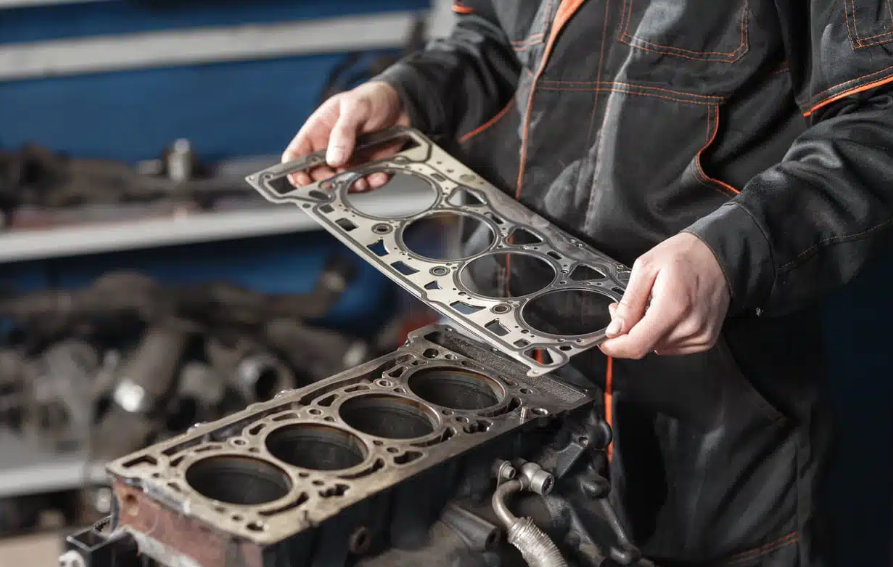
Engine life after head gasket replacement can be extended with proper repair and maintenance. If no major damage occurred, the engine should perform well for many years.
Head gaskets are vital parts of an engine’s performance, and replacing one can be one of the most expensive repairs an engine can need. Head gaskets create seals between an engine block and the cylinder head. Head gaskets can cause the engine to leak fluids and lose compression. Head gaskets can also cause poor engine performance and can even lead to complete engine destruction.
When head gaskets are replaced, the engine’s performance can be returned back to normal. Drivers, however, are left with lingering questions about the longevity of the engine after getting a head gasket replaced. Will the engine last as long as it would have if there had never been a gasket failure?
This article will discuss the factors that affect an engine’s life after head gasket replacements, as well as what is to be expected and how to keep the engine in great condition.

Contents
What is a Head Gasket?
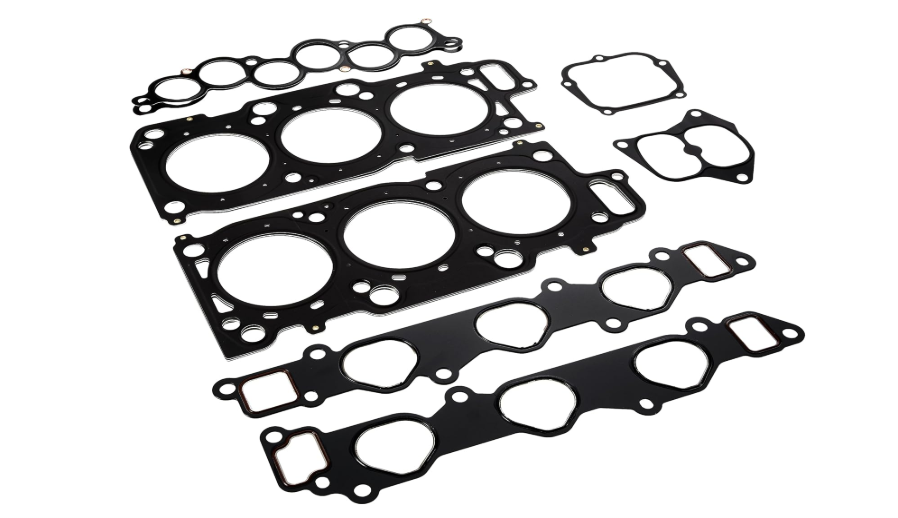
There are only a few components that are as critical as a head gasket. The importance of head gaskets cannot be overstated. Defining head gaskets is the best way to describe how a head gasket replacement influences how long an engine lasts. Head gaskets serve to seal the combustion chamber and engine block as well. Head gaskets have a few other vital functions.
- Seals Combustion Chambers: Head gaskets will ensure that no exhaust gasses escape during the combustion cycle and that engine pressure will be maintained.
- Keeps Oil and Coolant Leaks at Bay: The gasket keeps oil and coolant separate so they don’t mix. As oil lubricates parts of the engine that are constantly moving and coolant helps to keep the engine from overheating, both of these fluids are very important.
- Maintains the Right Amount of Compression: The head gasket helps the engine develop the right amount of power by ensuring that all the combustion chambers are sealed so that no gas escapes.
If a head gasket starts to fail, the problems can become very serious, such as the engine may start to have coolant leaks, there could be oil contamination, engine misfires, and of course the engine could fail completely if no repairs are done in a reasonable timeframe.
What Happens When the Head Gasket Starts to Fail?
Head gasket failure can present major problems. A head gasket can start to fail and have symptoms such as these:
1. Overheating
The engine overheating is one of the major problems that can occur when the head gasket starts to fail. When there is a leak, coolant is no longer in the right place, so it affects the engine in a way that it no longer is cooled effectively. The engine may start to overheat and an engine hot warning light may come up on the dashboard.
- So why is Your Engine Overheating? The engine is overheating because the coolant is leaking or because the coolant has mixed with the oil so there is not enough coolant to keep the engine from overheating.
- Potential Damage Prolonged overheating can cause severe internal engine damage, warp the cylinder head, and damage the engine block.
2. Oil Contamination
Another issue due to head gasket failure is the contamination of oil. When the gasket fails and allows coolant to flow into the oil passages, the oil is then contaminated and, due to this, the oil will no longer serve the purpose of lubricating the components of the engine. This can lead to overheating, excessive wear on the engine, and can even result in the failure of the engine.
- Symptoms of Oil Contamination: Symptoms of oil contamination include the oil appearing frothy or milky and this is likely a result of coolant contamination. This can lead to damage to sensitive engine components such as the pistons, crankshaft, and bearings.
3. Loss of Compression
A blown head gasket will lead to loss of compression in the engine. This results in a remarkable lack of engine power, loss of fuel economy, and rise in engine emitted toxic gases. Furthermore, the engine will run very rough and might misfire because, without proper combustion, nothing can happen.
- Resulting Problems: Loss of compression will deteriorate the performance of the engine and will make acceleration a very hard task. The engine will be unable to start and will have a very poor performance when it is under load.
4. White Smoke from the Exhaust
When you see white smoke coming out of the exhaust, you can suspect a blown head gasket. In this case, the engine coolant seeps into the combustion chamber, and when it burns, it turns into steam. This is precisely what white smoke coming from the exhaust indicates: a head gasket problem.
- Impact: The white smoke may signify a cracked or blown head gasket, and if left unaddressed, the engine can be severely damaged.
What Is the Outcome Of a Head Gasket Replacement?
Head gaskets are often associated with expensive repairs related to a host of problems. Once the head gaskets are replaced, the problems associated with head gaskets can be remedied. For example, head gaskets offer a seal to the combustion chamber of an engine, this can improve the engine’s performance, fuel efficiency, and reduce the risk of oil and coolant contamination, which can improve the overall engine function.
1. Positive Changes to the Engine’s Performance
The improvement to the engine’s performance is often instantaneous. These are some of the head gasket replacement symptoms that should improve:
- Improved Engine Compression: the engine should operate with more efficiency.
- Better Engine Cooling: without the external coolant leak, there should be more efficient temperature control, and the engine should reduce the risk of overheating.
- Better Engine Lubrication: without contamination, the oil can perform it’s primary function to reduce friction and heat to the engines moving parts.
If the compression issue was the basis of the performance problems that led to engine misfires or decreased fuel consumption, these problems should be resolved.
2. Power and Fuel Efficiency Restored
The correct function of the gasket should allow the engine to regain its power, control, and consumption of fuel. When the engine compression is improved, the engine should function more efficiently, the response of the vehicle should be improved, and the fuel consumption should be optimally efficient.
- Smooth Acceleration: You will notice better acceleration and engine response and throttle input will become easier.
- Increased Fuel Efficiency: Fuel consumption will be reduced because your engine will no longer be losing power because of compression issues and/or leaks.
3. Possible Long-Term Issues
Even though a head gasket replacement can result in better engine performance, there are multiple considerations related to the longevity of an engine. Long term performance of an engine may be negatively affected if prolonged damage was done due to running the engine with a blown head gasket (like warped cylinder heads or a broken engine block).
- Potential for Recurring Issues: If the damage from the blown gasket is severe, like cracks in the engine block, it can result in additional issues in the future. The engine may continue overheating, loss of power, and additional repairs may become necessary.
Factors that Affect Engine Life After Head Gasket Replacement
There are multiple reasons for engine lifespan (after head gasket replacement):
1. Extent of Pre-Existing Damage
The most significant factor influencing the engine life after head gasket replacement is how much damage the engine sustained while running with the blown gasket. If the engine was severely overheated or the coolant mixed with oil for an extended period, some parts of the engine may be irreparably damaged.
- Cracked Engine Block: A cracked engine block is usually irreparable and may require a complete engine replacement.
- Warped Cylinder Head: A warped cylinder head will not provide a proper seal even after the gasket is replaced.
2. Replacement Parts
The quality of the head gasket and other parts used in the repair will affect the engine’s longevity. OEM (Original Equipment Manufacturer) parts are typically more reliable and provide a better seal than aftermarket parts. High-quality parts ensure that the engine performs as expected and lasts longer.
- Aftermarket Parts: Some aftermarket parts can be good quality, but it’s essential to ensure they meet the standards for your vehicle.
- OEM Parts: Using the same high-quality parts as the original equipment will usually lead to better results.
3. Proper Installation
Proper sealing is built on the correct replacement of the head gasket. If the head gasket is improperly installed, it could create new issues, for example, new leaks or a drop in compression. All torque instructions should be properly followed, and prior to the new gasket installation, the head should be checked for warping or cracks.
- Proper Torque: Engine head bolts need to be torqued per manufacturer instructions. If the gasket is not torqued properly, it can cause the head to be warped and the gasket to fail.
4. Regular Maintenance
After a head gasket replacement, regular maintenance can improve the life of your engine. Check the fluid levels, monitor engine temperature, and maintain the engine cooling system so the engine can function at optimum levels. If maintenance is neglected, it could create new problems or reduce the overall life of the engine.
- Oil Changes: Engine lubrication and damage is a concern that can be addressed with regular oil changes.
- Coolant Inspections: Insufficient levels of coolant make it easier for the engine to overheat and sustain damage, so check the level of coolant frequently.
Maximizing Engine Life After Head Gasket Replacement
Making sure the engine lasts a long time after getting the head gasket replaced means taking good care of the car. Follow the next steps to make sure the engine stays in good shape:
Watch Engine Temperature: Stay aware of the engine’s temperature after a head gasket replacement. An engine temperature gauge that rises more than normal means the engine may be overheating. And while the gasket has been replaced, the engine can be severely damaged in the process of overheating.
Oil and Coolant Level Checks: Be sure to check the oil and coolant levels regularly. If the levels of oil and coolant are low, the engine may suffer from getting overheated and eventually damaged. You should lubricate the engine and keep the fluids cool to prevent issues in the engine.
Don’t Overwork the Engine: Make sure to not put a heavy load on the engine, like doing towing as well as driving the engine above normal speed for a long time. This can make the engine break down due to getting stressed and a lot of wear and tear.
Stick to the Maintenance Schedule: The manufacturer of the vehicle provides a vehicle maintenance schedule to assist the owner in determining how often to bring the vehicle to a service professional. They will assist in the discovery of potential problems early to prevent severe damage to the engine.
Frequently Asked Questions
Here are some FAQs about engine life after head gasket replacement –
1. How long will my engine last after a head gasket replacement?
If replacement of the head gasket was done with no other significant damage from overheating, and it is maintained properly, the engine can last many more years.
2. Can a blown head gasket cause permanent engine damage?
Yes. If a head gasket blow is not attended to and the vehicle is used, significant damage can happen to the cylinder head, engine block, and engine internals.
3. How can I tell if my head gasket repair was successful?
If engine operation is smooth, there are no leaks, and the engine temperature is normal, the repair may have been successful. Other causes of the problems may be damaged components, or the gasket was not installed properly.
4. Should I replace the head gasket?
Unless the damage is severe, replacing the head gasket is usually worth it, since it puts life back into the engine. Since having an entire engine replaced can cost a lot, it may be the better option if the damage to the engine is severe.
5. Can head gasket failures be avoided?
Engine overheating is a common cause for head gasket failures, so keeping track of coolant levels could help prevent it. The use of quality engine parts can also assist.
Conclusion
Health and performance of the vehicle can be greatly improved with a head gasket replacement. The engine life after a head gasket replacement can be variable due to damage prior, quality of parts, and maintenance. Proper maintenance covering all engine problems should be prioritized to keep the engine in a safe and mobile condition. A head gasket replacement should be accompanied with guidance from a qualified mechanic.


