The difference between motor and engine is that an engine uses fuel for power, while a motor runs on electricity. Engines are used in vehicles, and motors are used in smaller devices like appliances.
In day to day talk, many people will say motor or engine, without the knowledge that these words mean different things. However, the difference is very important in mechanical engineering. An engine usually refers to a device that combusts fuel in order to generate energy, whereas a motor usually refers to a device that runs on electric energy. This difference is significant for people involved in engineering fields such as automotive, aerospace, and consumer electronics.
This article will focus on the difference between the two and explain the reason for that differences in functionality, usage, and importance in various fields.
In the field of engineering, automobiles and aviation, the difference between a motor and an engine is very useful in making a choice. It is also important for making choices in automobiles and other forms of mechanical systems.
Contents
What is an Engine?
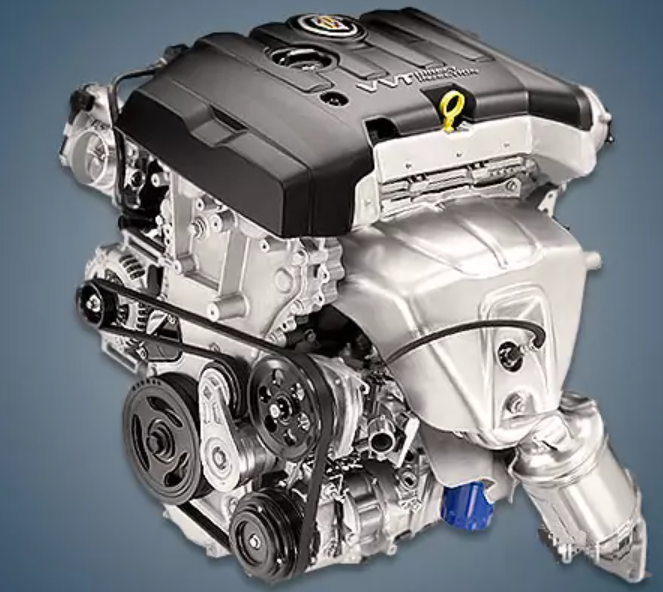
An engine is an apparatus that converts energy into mechanical work and this is usually done by burning fuel. Engines are commonly utilized in vehicles, aircraft, and large machinery, where the fuel is usually gasoline, diesel, or natural gas. The primary function of an engine is to generate power by burning fuel, which results in the creation of heat and mechanical movement.
How an Engine Works
Engines use internal combustion process and change them into mechanical energies. In an internal combustion engine (ICE), a mixture of a fuel and air is ignited in a chamber which leads to a controlled mini explosion. This explosion pushes the pistons and this pushes the engine to turn. That engine rotational source (torque) is what makes the vehicle run or powers a certain machine.
An internal combustion engine functions in a four unbroken movements known as the four – stroke cycle. This includes the intake of a fuel, compression of the mixture of air and fuel, a spark from a battery that ignites the fuel air mixture and finally the release of the burnt gases. This cycle must repeat itself in order for the engine to keep running and produce a sufficient power.
Different Kinds of Engines
Engines are built to work with certain applications or things. Some of the applications that they are built for include:
- Internal combustion engines (ICE): These engines are present in a majority of the cars that have been made recently, trucks and motorcycles. They run using a fuel known as gasoline or diesel.
- External combustion engines (ECE): These are used in most steam engines. In these engines the fuel source is burned outside the engine, and the steam that forms as a result of this combustion is what powers the whole mechanism. These engines were used in locomotives and they are still used in power plants today.
- Jet engines: These kinds of engines are used in certain rockets and were the and still are the most predominant type of engines that are present in airplanes. They work by throwing gas at a very high speed in order to produce a lot of force that pushes whatever is using the engine and the operate using the most fundamental of Newton’s rules of physics that explains how force and motion interact with one another – Newton’s third law of motion.
- Rotary Engines (Wankel Engines): These engines have a different design compared to traditional internal combustion engines. They are often used in some sports cars.
Engines are indispensable in a range of applications where large amounts of power are needed. This includes cars, trucks, planes, and industrial machines.
What Is A Motor?
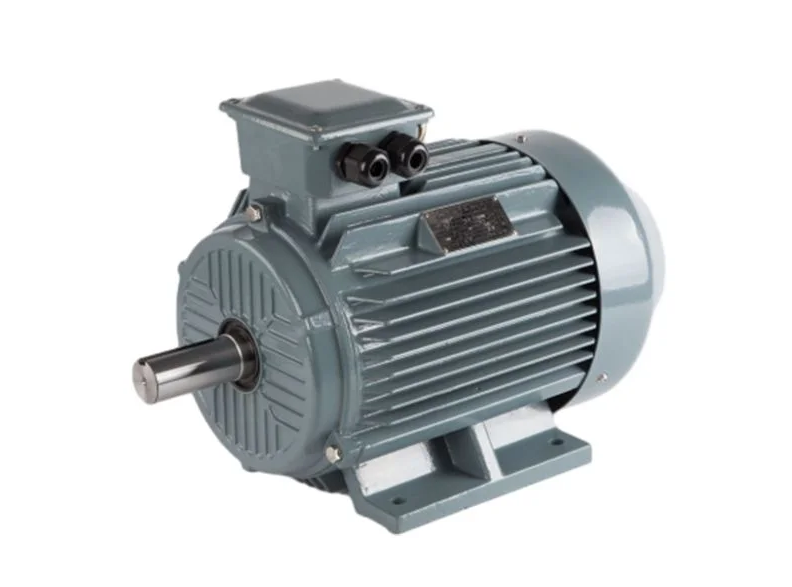
A motor converts electrical energy into mechanical energy. Electric motors are the most ubiquitous kind of motor. They can be found in some of the most common household items, as well as in electric cars. The operation of motors is based on the magnetic field produced by the current flowing through a coil, which causes the coil to move.
How a Motor Works
The principle of electromechanical is what drives electric motors. An electric current moving through a wire generates a magnetic field. This field will interact with another magnetic field within the motor, and this interaction will lead to the spinning of the rotor, which is the moving part of the motor. The rotational movement of the rotor is what is harnessed to operate machines or vehicles.
The main components of an electric motor are:
- Stator: This is the part of the motor that does not move, and is typically composed of wire coils made from copper.
- Rotor: This is the part of the motor that will move due to magnetic field interactions.
- Commutator and Brushes: These components (in certain types of motors) will connect the rotor to the electrical circuit and assist in the movement of the rotor.
Types of Motors
Different motors fit different uses. Examples include:
- DC Motors: Use direct current to power smaller uses like fans, toys, or power tools.
- AC Motors: Use alternating current found in industrial machines, air conditioning, and households.
- Brushless motors: These advanced motors have greater efficacy and durability, and are found in electric vehicles and drones.
- Stepper motors: Used for precision in 3D printers and robotic arms.
When a project needs high efficacy, simple construction, and a current, tools are best.
Motor vs Engine
With motors and engines, the most fundamental ways to discern the two are their power source, their structure, and their intended use. Some of these are the most basic identifiers:
1. Power Source
Engines: Always use a combusting fuel to produce mechanical energy. So, an engine will be either gas or diesel since they combust fuel externally in a process known as combustion.
Motors: Provide the opposite. They will use wires basically, and produce energy from a combustion process like an electric fuel engine, but use electromagnetism to create an end mechanical energy.
2. Function
Engines: First, engines generate mechanical power, using combustion. They convert chemical energy of fuel into mechanical energy.
Motors: These convert electrical energy into mechanical motion. They are most often seen in things like home appliances or electric cars.
3. Size and Application
Engines: Generally larger and used in things like vehicles (cars, trucks, airplanes), industrial machinery and power plants.
Motors: Smaller things like electric fans, washing machines, power tools and electric cars.
4. Efficiency
Engines: Less efficient due to combustion creating some work and some heat. Overall, more energy is lost so they are worse.
Motors: 90% of electric energy applied to the motor becomes mechanical work and motor are much more heat efficient.
5. Maintenance
Engines: Need cleaning of fuel systems and change of oil, because they are subject to friction and heat. They are likely to need maintenance more because they have more moving parts.
Motors: Because they have no heat combustion and are less likely to break down due to having less parts, they need less maintenance.
Motor vs Engine in Vehicles
One of the most common places to compare the differences between motors and engines, is in the context of vehicles. Every internal combustion engine in a traditional gasoline and diesel-powered vehicle, is paired with an electric motor in an electric vehicle.
Engines in Automobiles
Automobiles are traditionally powered by internal combustion engines that burn fuel (gasoline or diesel) to create a force, that moves a piston that spins the wheels of the vehicle. These engines have been used in automobiles for over a century, but are very inefficient and create pollutants that are harmful to the environment.
- Power Source Combustion of fuel (gasoline or diesel) inside the engine.
- Power Output High and used for vehicles and heavy machinery.
- Maintenance Oil changes, air filter changes, and fuel system cleanings are required.
- Emissions Exhaust gases are produced that are harmful to the environment.
Electric Motors in Electric Vehicles
Electric vehicles have electric motors that are powered by large batteries. Because there is no fuel combustion, these vehicles are quieter and require less maintenance. Because of these reasons, electric vehicles do not create harmful emissions and are good for the environment.
- Power Source: Electricity from batteries.
- Power Output: Varies from moderate to high based on the type of motor.
- Maintenance: Requires minimal maintenance due to fewer components and no more oil changes.
- Emissions: Zero emissions during use, leading to less pollution.
When to Use Engine and Motor?
Deciding on an engine or motor depends on the particular use case. Analyzing design and configuration, an engine is more suited to output high levels of power over a longer time, such as in airplanes, cars and trucks. A motor will work best in smaller design applications, such as those requiring an electrical drive. The fuel type and configuration of the application will help in determining if a motor or engine is appropriate.
Engine: Applies to greater power use such as automobiles, trucks, airplanes, and large industrial applications.
Motor: Applications requiring less than control automobiles, domestic appliances, and devices.
Frequently Asked Questions
Here are some FAQs about the difference between motor and engine –
1. What is the main difference between a motor and an engine?
The main difference is that an engine burns fuel (either gasoline or diesel) and uses that combustion to create mechanical power, whereas a motor converts electricity into power and uses that to create motion.
2. Can you call an engine a motor?
In some situations, an engine can be referred to as a motor, particularly when talking about smaller internal combustion engines (like in go-karts or bikes), but in actuality, an engine uses a fuel combustion process while a motor uses some form of electrical power.
3. Are engines or electric motors more efficient?
Yes, in general, electric motors are more efficient than engines, as they transform electrical energy to mechanical energy with relatively little energy loss, as opposed to the heat loss and mechanical friction loss which occurs in engines.
4. What vehicles have engines?
All conventional vehicles, such as cars, trucks, and even aeroplanes have internal combustion engines that are used to power and propel the vehicle.
5. Why do electric vehicles have motors and not engines?
Electric vehicles have electric motors because they are more efficient, generate no emissions, and have lower maintenance needs when compared to traditional combustion engines.
Conclusion
To wrap up, the distinction between a motor and an engine comes down to the different types of energy sources and the different types of jobs the two perform. Engines usually convert fuel via combustion to mechanical energy, which can be used to do work in larger applications like automotive vehicles, trucks, and airplanes. In contrast, motors operate using electrical energy, which in turn produces mechanical energy, and are used in smaller applications such as in electric cars.
This understanding assists in applying the appropriate energy source to relevant jobs. As technology progresses, it is evident that the use of motors is becoming more encouraged, particularly with the rise of electric cars and other modes of preferred sustainable energy.