


Failed brake fluid leak detection happens when a vehicle’s system doesn’t alert the driver about low brake fluid. This can lead to brake issues and safety risks. Regular checks help prevent it.
Undetected brake fluid leaks create serious hazards for vehicles. When fluid leaks, brake fluid power is lost, and adversely increases chances of accidents. The point of a leak detection system is to monitor brake fluid levels and notify drivers of any changes, giving the driver the chance to make the needed repairs before brake system problems become serious. In some instances, detection systems fail due to the fluid levels being low or detected leaks being too slow to create a warning light or alert.
This article dives into the reasons behind failed brake fluid leak detection, its implications, how to detect it, and preventive measures.
Contents
- 1 What Does ‘Failed Brake Fluid Leak Detection’ Mean?
- 2 Why Is Brake Fluid Leak Detection Important?
- 3 Common Causes of Brake Fluid Leaks
- 4 Signs of Failure in Systems that Detect Brake Fluid Leaks
- 5 How to Diagnose Failed Brake Fluid Leak Detection
- 6 Avoiding Failed Detection of Brake Fluid Leaks
- 7 Frequently Asked Questions
- 8 Conclusion
What Does ‘Failed Brake Fluid Leak Detection’ Mean?
The meaning of failed brake fluid leak detection is that the car’s brake system has failed to detect a leak in the brake fluid system. Hydraulic fluid is used to shift the car’s brake system. A loss of brake fluid causes a loss of braking power. Because of this, it is critical that brake fluid is kept at a certain level.
In most new cars, sensors detect and notify the driver of a fluid loss or a drop in pressure via a light on the dashboard. Because of the detection system’s failures, drivers are not warned, and they are able to continue driving with a brake fluid leak. This ultimately leads to the brakes no longer being able to function at all.
Why Is Brake Fluid Leak Detection Important?
For the brakes to work, every vehicle needs to have a certain amount of brake fluid. If you don’t have enough brake fluid, the brake pedal could become soft to the touch, and then the vehicle could become unsafe to drive due to the potential of brake fluid loss and brake failure. This is one of the many reasons why brake fluid leaks should be detected early, because then the driver can top off the brake fluid before it poses a danger, and the overall safety of the vehicle is going to be preserved.
Brake fluid leaks can be undetected for various reasons. Some of them are broken sensors, electrical problems, and lack of care.
1. Breaking Sensors/Preset Switches
Sensors and switches are devices and components that track and measure fluid levels and pressures in a system. If they are defective, they can’t let users know, and in this case, drivers, about the brake warning signals. Some of the common reasons are age, broken wires, and problems with the gauge. If a sensor breaks, it might send the wrong data and/or may not send data at all. Most users in this case, drivers, might not be aware of the problem.
Example: There are many instances where the sensor is defective and does not turn on the warning light. This may lead the driver to think that the problem is not an issue, and that they can keep driving, all the while driving with a dangerously low brake fluid level.
2. Neglected Maintenance and Inspections
As time goes by small leaks in the brake fluid will turn into larger leaks that could potentially affect a driver’s ability to brake. If a driver is not performing adequate brake fluid maintenance, then that driver will not notice leaks. Deterioration, corrosion, and physical deterioration of the brake fluid hoses, fittings, and lines will happen. If these issues are not addressed in brake fluid maintenance, then small slow fluid leaks will happen that will not trigger the fluid detection system.
Tip: neglecting regular brake inspections can lead to more serious, more expensive problems in the future, instead of just fixing a small leak.
3. Faulty Software or Electrical Issues
Warning lights and most of the modern features in a vehicle rely on advanced electrical systems. Problems with the detection system may be caused by faulty software or electrical systems. An example would be the brake fluid warning light not activating because the system is short-circuited, and the brake fluid is at critically low levels. Additionally, the vehicle’s onboard diagnostic system faults may prevent accurate data from being sent to the vehicle’s central computer.
4. Difficult Areas to Identify Leaks
It can be challenging to find leaks in the brake systems because they occur in difficult and hard to reach places. Detection of leaks in the master cylinders and brake lines is often avoided because of the difficulty in accessing the area. Detection systems may ignore slow and small leaks, as they do not cause immediate noticeable drops in fluid. Brake systems can also develop leaks over a period of time due to collection of fluid and small leaks, leading to potential brake failure.
Example: Leaks in the brake lines that are hidden within the dash or master cylinder may go undetected until enough fluid leaks to form a puddle which can mask the issue and make it difficult to identify.
Common Causes of Brake Fluid Leaks
Identifying locations for potential brake fluid leaks aids in preventing issues. Below are sources for potential brake fluid leaks:
1. Damage and Worn Brake Lines
Brake lines carry brake fluid from the master cylinder to the brake calipers. Over time brake lines can wear, corrode, and become damaged resulting in leaks. Because some lines have small cracks this can cause fluid to leak slowly. Lines can also rust and corrode from moisture and road salt.
2. Master Cylinder Leak
The master cylinder sits in the center of the brake system and pushes the fluid into the brake lines. As time passes the master cylinder can experience wear and tear, resulting in fluid leaks. Because master cylinder leaks can vary in size, the leaks can go unnoticed. Significant master cylinder leaks can cause a reduction in braking power, and are very dangerous.
3. Broken or Cracked Hoses
The various components of a vehicle’s braking system rely on rubber hoses to transport brake fluid between them. Depending on the age of the hose, heat, or other elements, a hose may fracture or rupture. When a hose breaks, it can cause a brake fluid leak, resulting in moist tire and wet brake component areas.
Example: Broken or worn hoses can lead to a brake fluid leak, causing the brake pedal to become softer than normal or ceasing functionality altogether.
4. Brake Caliper Leaks
To slow a vehicle down, brake calipers squeeze the brake rotors. With the old age of the brake calipers, the brakes can be prone to fluid leaks. The caliper seals can leak brake fluid and cause the brake calipers to become less effective. This is particularly prevalent in older vehicles, and may not be apparent until the fluid leak becomes visible on the wheel.
Signs of Failure in Systems that Detect Brake Fluid Leaks
In the event of a failure in the brake fluid leak detection system, certain signs may still indicate a failure. These signs include changes in the performance of the brakes, visible fluid leaks, and the absence of warning lights. Let’s see what you need to look out for:
1. Brake Pedal Feels Soft, Spongy, or Unresponsive
When one or more systems in the brake system has lost brake fluid, one telltale sign is the brake pedal feeling unusually soft or spongy to the driver. This may occur because brake fluid is not present in the brake fluid reservoir and the brake pedal is able to move closer to the floorboard than normal. This may be a sign of a slow and undetected leak.
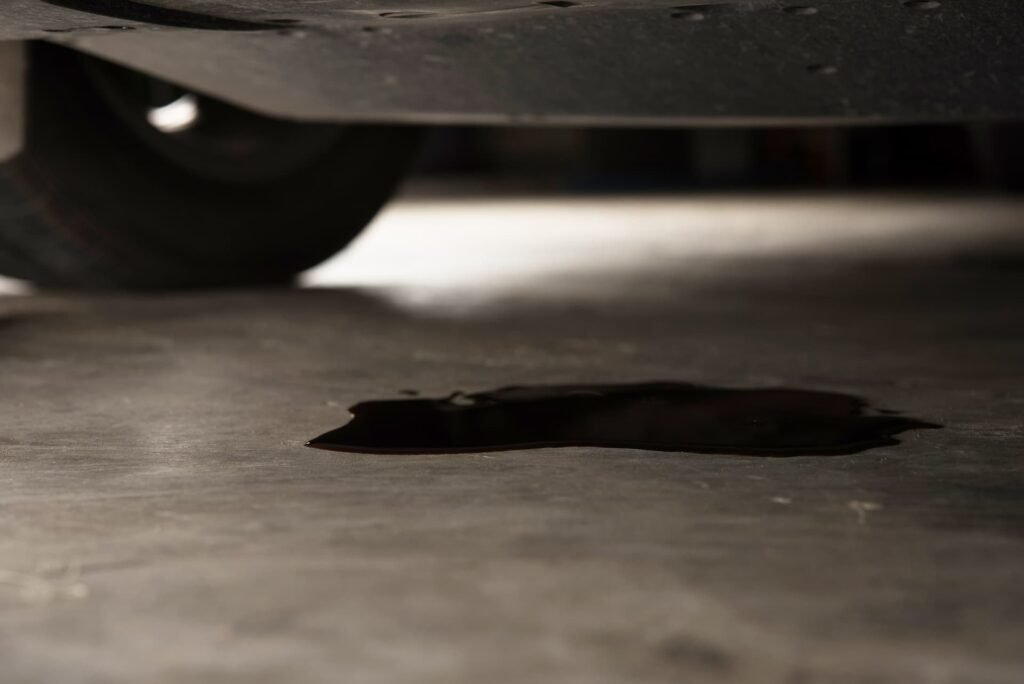
2. Fluid Pooling Under the Vehicle
Another telltale sign of a brake fluid leak is that visible fluid pooling under the vehicle. Because brake fluid is generally clear, or slightly yellow, a pooling area may not be wet or sticky. If wet areas are seen in the vicinity of the wheels, the brake reservoir, or under the car from the wheels, then that is a strong indication that fluid is leaking from the brake fluid reservoir.
3. Reduced Braking Power or Slower Response
If the brake fluid leaks, the breaks may become more unresponsive and slowly break the car. If you are experiencing a loss in the performance of your braking, it’s a good idea to check the brake fluid levels and have your braking system checked out by a brake professional.
4. The Dashboard Warning Light Should Come On
When the fluid levels are too low, the emergency brake fluid warning light should come on. If the warning light comes on when the fluid is gone, that means the emergency brake fluid leak detection system is not working. This may be the result of the sensor being faulty, electrical system being faulty, or the system has a software error.
How to Diagnose Failed Brake Fluid Leak Detection
Diagnosing Failed Brake Fluid Leak Detection is a combination of tests and inspections. Follow the steps below to find out how to do it.
Step 1: Check the Brake Lines: Check the brake lines and hoses in order to see if you have a damaged line or a damaged, corroded area. Look for a wet area, cracked hoses, or cracks near or around the fluid in the components. If you see any of the above, you might have to change those lines.
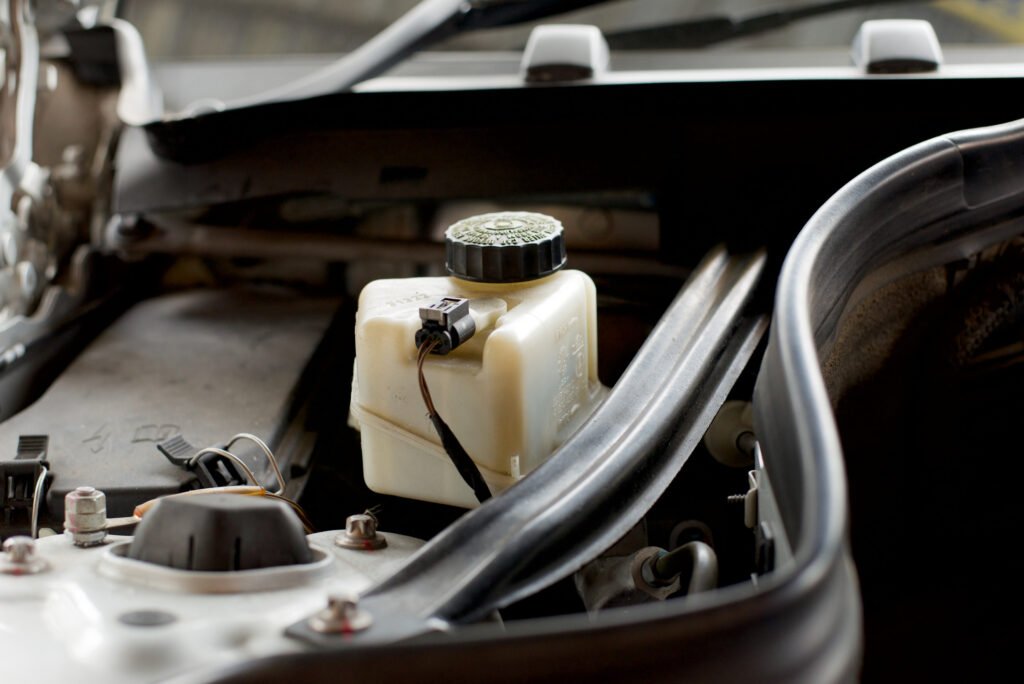
Step 2: Inspect Brake Fluid Levels: Check the brake fluid level. To do this, open the hood and locate the brake fluid reservoir. The fluid should be around the “full” line. If it is low, top it off and keep an eye on it in the coming days. If the level continues to decrease, it may be a sign of a leak.
Step 3: Examine Brake Fluid Pressure Sensors: You should have a mechanic examine the sensor to evaluate if it is functioning properly. If the sensor is not working, it will probably have to be replaced.
Step 4: Check the Master Cylinder for Leaks: Look for leaks around the master cylinder. If you see any wetness or fluid pooling around the master cylinder, it may need to be repaired or replaced.
Step 5: Professional Diagnostics: It may be a good idea to have the car professionally diagnosed if the issue is out of sight. Diagnosis instruments are used by mechanics to detect the error codes of the car computer and the brake fluid detection system.
Avoiding Failed Detection of Brake Fluid Leaks
There are many steps that can be taken to maintain your braking system, prevent detection failures, and identify leaks early.
- Routine Inspections: During routine maintenance, be sure that your brake lines, hoses, and seals are of good quality, and if they are not, replace them.
- Quality of Brake Fluid: If the brake fluid is old or dirty, it could damage the sensors. Use the manufacturer’s recommendations to flush the brake fluid and keep it clean.
- Testing and Adjustment: When you take your car in for maintenance, ask the mechanic to test the brake fluid sensors and adjust for them to be working optimally.
- Leaks: If you notice any leaks, take care of it. If you neglect it, it can create many problems, despite not being large to begin with.
Frequently Asked Questions
Here are some FAQs about failed brake fluid leak detection –
1. Will the car brake if there is no warning and there is a leak?
Yes, but with a soft unresponsive pedal, it will take a longer time to brake than usual. The leak must be addressed as a matter of urgency.
2. Why didn’t the brake warning light come on?
A malfunction, whether due to poor connection of wires or faulty sensors can prevent the light warning system from alerting the driver.
3. How often should brake fluid be checked?
Brake fluid must be checked at intervals of 3,000 miles to 5,000 miles, or it should be checked every time the car is being serviced.
4. Is it safe to drive with low brake fluid?
No, driving with low brake fluid is unsafe due to reduced braking systems’ efficiency and increased chances of brake failure.
5. How much does fixing a brake fluid leak cost?
The cost of fixing a brake fluid leak depends on its cause and location. Early leak repairs may save money by preventing bigger repairs.
Conclusion
When the brake fluid leak detection system fails, the safety of the car is at risk. Knowing what causes these failures operationally and system-wise is needed for better maintenance of the braking system. Care for the detection system, regular maintenance, and repair of leaks will prevent further fluid loss and ensure safe driving. Concerning the brake system, immediate maintenance must be done.


