Ford EcoBoost V6 engine recall lawsuit targets issues like turbocharger failure and excessive oil consumption. The lawsuit claims Ford failed to address these defects, causing safety concerns and expensive repairs for consumers.
Ford strives to develop engines for excellent fuel economy AND performance, but the EcoBoost V6 engine presents major issues for some owners in the form of turbocharger failures, excessive oil consumption, and carbon buildup. All of these problems arose in a short time period and resulted in both a recall and a class action lawsuit, fuel economy being the only positive aspect of the engine.
This article discusses various aspects of the EcoBoost V6 engine for Ford’s recall lawsuit and the facts consumers need to know regarding impacted vehicles.
Contents
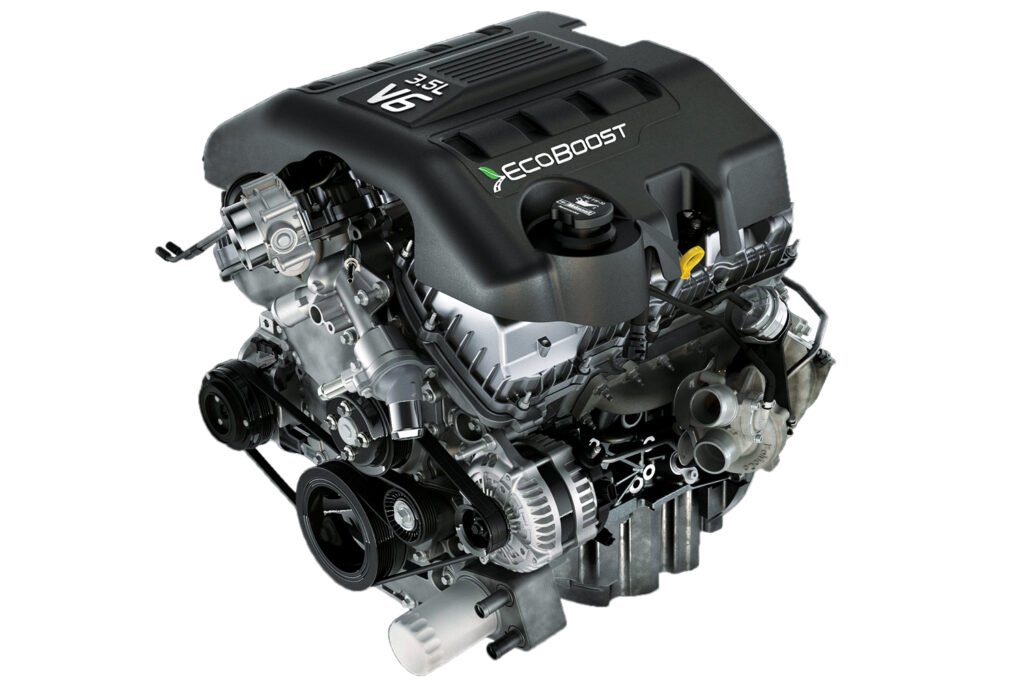
EcoBoost V6 engine
To look into the recall and lawsuit, we first have to discuss what the Ford EcoBoost V6 engine is, what it is intended for, and what made it so popular and a target for legal action.
What is the Ford EcoBoost V6 Engine?
Ford’s EcoBoost V6 engine is a turbocharged engine line created as part of a long-term strategy to balance both power and fuel economy. EcoBoost V6 engines were first introduced in the 2009 Ford F-150. The Flex, Explorer, and Mustang are also equipped with EcoBoost V6 engines in 2.7L, 3.5L, and 3.7L variations. Engineered to compete in the small fuel efficient V6 market, Ford turbocharged these engines to provide out a higher power output than many of their competitors.
Ford’s EcoBoost Engine Warranty, on the other hand, indicates a lack of expected performance, and it’s this lack of expected performance that seems to have given rise to problems that have resulted in the pending lawsuit.
Why Did the Ford EcoBoost V6 Engine Lead to a Recall?
Ford EcoBoost V6 has revealed itself to be a precarious engine with serious problems. The EcoBoost engine’s creativity has led it to be both beloved and damaging.
1. Failures of Turbochargers
The most important problem that resulted in the EcoBoost V6 engine recall was turbocharger failure. Turbochargers increase the power and fuel efficiency of an engine. Ford EcoBoost V6 engine uses twin turbochargers. However, contrary to what was expected, the turbochargers began to fail, and power output of the engine decreased.
As the turbochargers began to fail, drivers frequently experienced engine power loss and unusual engine sounds. Because turbochargers are critical to the EcoBoost design, this further added to the concerns regarding the reliability of the engine.
2. Too Much Oil Loss
Another major issue with the EcoBoost V6 engine is the excessive loss of engine oil. Onboard EcoBoost V6 powered vehicles began burning oil at an alarming rate, and if the oil was not constantly monitored and maintained, potential engine damage was inevitable. This problem is largely with the 3.5L and 3.7L versions of the EcoBoost where drivers over oil loss, and these complaints frequently reported the need to add oil at what appeared to be excessive intervals.
Often, it was necessary to add oil in intervals as short as 1,000. Oil loss is one of the major causes that lead to heavy damage to the engine and its associated components, particularly the walls of the cylinders and the pistons. This in turn leads to heavy irrevocable damage costs.
3. Buildup of Carbon on Intake Valves
The EcoBoost V6, like any other engine with Direct Fuel Injection, has problems with carbon build up on the valves. In regular injection systems, fuel is sprayed into the intake manifold, which helps reduce the amount of valve deposits. In Direct Fuel Injection, the fuel is sprayed into the combustion chamber, completely bypassing the intake valves, which leads to the unhindered creation of carbon deposits on the valves.
These deposits affect the performance of the engine, the fuel economy, and can cause the car to idle roughly. Cleaning carbon buildup is time-consuming, and a lot of owners ended up doing it themselves.
4. Engine Failures and Stalling
Perhaps the most dangerous of the EcoBoost V6 problems is the engine not being able to operate correctly. Multiple owners complained about the engine stalling, roughly idling, or in some cases, stopping completely, which is a significant risk when driving at highway speeds since an engine can stop suddenly, which can cause serious crashes. Ford has had most issues with this problem, and a lot of owners were bothered by the lack of speed in addressing this serious issue.
Ford EcoBoost V6 Engine Recall Process
From the many complaints about the EcoBoost V6 engine, Ford had to issue a recall to the customers for the complaints about the faulty engine component, and further damage the engine.
Which Models Were Affected?
The recall primarily affects Ford vehicles that use the 3.5L and 3.7L EcoBoost V6 engines, which include popular models such as:
- Ford F-150 (2011-2019)
- Ford Explorer (2011-2019)
- Ford Mustang (2015-2019)
- Ford Flex (2015-2019)
- Ford Edge (2015-2019)
If you own any of these vehicles with a 3.5L or 3.7L EcoBoost V6 engine, your vehicle may be part of the recall.
What Does the Recall Fix?
Ford’s recall attempts to address the following issues:
- Turbocharger: affected vehicles will have their faulty turbochargers replaced with new and improved OEMs to restore full engine performance.
- Oil Consumption: Ford will address excessive oil consumption by replacing necessary seals, valve components, and making the appropriate engine adjustments.
- Carbon Buildup: Ford will clean the intake valves and use a new system to eliminate and prevent further carbon buildup.
- Engine Component Inspections: Ford will complete inspections to confirm all components of the engine are working and to find and repair any additional damage.
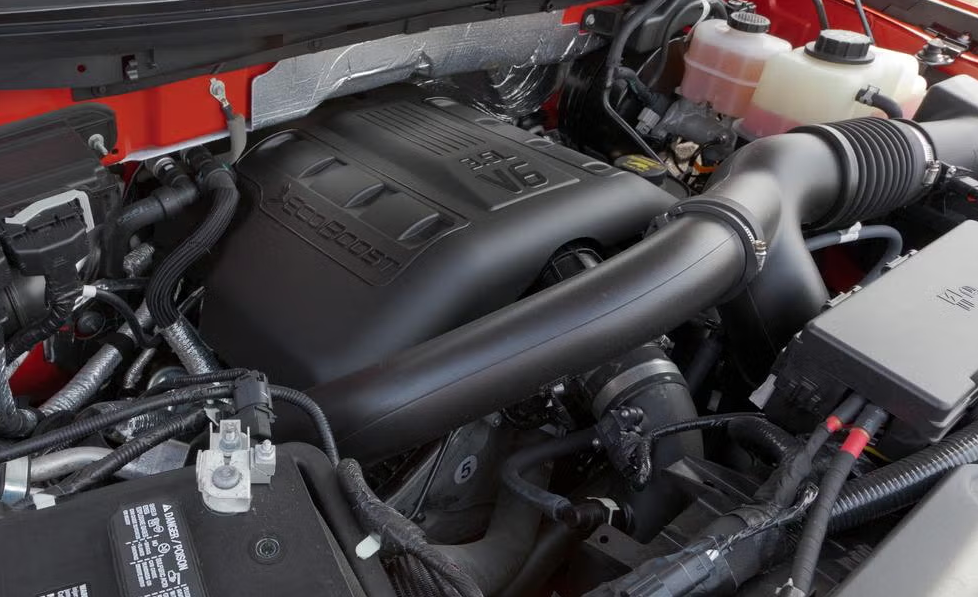
The Ford EcoBoost V6 Engine Lawsuit
In addition to the recall, there is a class-action lawsuit against Ford for not acting to resolve the issues with the EcoBoost V6 Engine. The details document that Ford knew about the engine defects and and chose not to proactively manage the issues and the fallout to their customers.
Main Points of the Lawsuit
The plaintiffs of the lawsuit claim Ford:
- Was Silent About Defects: The lawsuit states that Ford failed to inform the customers about the defects in the EcoBoost V6 engine that caused turbocharger failure, excessive consumption of oil, and carbon build up. The majority of drivers did not know the issues the EcoBoost V6 engine presented.
- Unsatisfactory Repair Options: The lawsuit states that the attempts Ford made to resolve the problems with the EcoBoost V6 engine were not sufficient. In several instances, repairs, such as turbocharger replacements and valve cleanings, did not fix the problems, and many owners suffered with recurring engine failures.
- Reduced Worth of Vehicles: One more aspect of the lawsuit is the diminished value of the vehicles due to the known defects. The plaintiffs argue that the persistent issues with the engine have rendered their vehicles less dependable.
- Concerns Around Safety: The lawsuit also prioritizes the safety risks surrounding the defects in the engine, focusing on engine stalling, and failure, which can cause accidents. Several consumers argue that Ford did not sufficiently try to fix the safety problems and left drivers to face the risks.
Effects of the Lawsuit
The class-action lawsuit is now Ford and their handling of the EcoBoost V6 engine problems. Ford has admitted the issues with the engines and has started a recall, but many consumers feel that the company did not respond quickly to the problems or provide a solution. The lawsuit has brought attention to Ford’s customer service and transparency.
How Ford is Handling the Lawsuit and Recall
Since the recall and lawsuit, Ford has taken steps to address consumer worries, which involve:
- More Transparency: Ford has been open on communicating what has been occurring with the EcoBoost V6 and the issues of the recall, as well as the reporting process occurring. In addition, Ford has provided better communication to customers, and presented better stick to the customers on the reporting steps.
- Repaired Services: Customers who are impacted by the recall are repaired, and Ford has worked on the procedures so that they are quicker for the removal of the turbocharger, for the oil consumption repairs, and for the quicker services of the carbon replacements, as well as provided loaner vehicles.
- Updated Models: More various design aspects of the EcoBoost V6 engines have been worked on by Ford so that the same issues will not be presented in the new vehicles. Those aspects include, more advanced technologies for carbon cleaning, better oil control, and revamped designs for the turbochargers.
Related Article
Nissan Class Action Lawsuit Engine Defect
Frequently Question Answer
Here are some FAQs about Ford EcoBoost V6 engine recall Lawsuit –
1. What was the cause of the Ford EcoBoost V6 Engine recall?
Ford was forced to recall the EcoBoost V6 engines due to excessive oil consumption, particulate build-up from incomplete combustion cycling, and subsequent engine stalling, all of which pose a threat to motor vehicle highway safety.
2. What Ford Vehicles Have EcoBoost V6 Engine Recalls?
The recall impacts models such as Ford F-150, Ford Explorer, Ford Mustang, Ford Flex, and Ford Edge with the 3.5L or 3.7L EcoBoost V6 Engine.
3. What do I do if my Ford car is affected by the recall?
If your vehicle is affected, you must reach out to a Ford dealership and book a free repair. At no cost, the dealership will replace parts that malfunction, such as the turbochargers, and will fix the problem of excessive oil consumption if that is also a problem.
4. Can I participate in the Ford EcoBoost V6 Engine lawsuit?
Yes, if you are having problems with your EcoBoost V6 engine you will likely qualify to participate in the class action lawsuit. You should speak to a lawyer for your case.
5. How long will it take to fix my vehicle with the recall?
The time it takes to fix the car is very subjective, as it will depend on the specific problems with your car. Ford is trying to improve the time it takes to provide the service. Nonetheless, numerous customers have complained about the time it takes to complete repairs.
Conclusion
Turbocharger failures, excessive oil consumption, and carbon build-up on Ford EcoBoost engines, combined Ford’s attempt to address these issues via remedial repairs and design upgrades, triggered the Ford EcoBoost V6 Engine recall and subsequent class action lawsuits. These issues have triggered additional litigation against Ford, class action lawsuits, and, in the most extreme cases, Ford’s self-inflicted litigation against OEM Ford quality and consumers.
If you are a Ford owner facing these issues, you need to identify whether your vehicle has been a subject of the recall, and what repairs you may need to have performed. If you have suffered Ford’s quality issues on multiple occasions, you should have the right to join the class action Ford litigation.