GM L87 engine lawsuit involves claims from vehicle owners about defects like excessive oil consumption and engine misfires. Plaintiffs argue GM failed to address these issues, causing costly repairs.
The GM L87 engine, a 5.3-liter V8 found in multiple models of Chevrolet and GMC trucks, has had a number of lawsuits filed against it pertaining to engine performance and reliability. Most of these lawsuits stem from complaints of excessive oil consumption, engine misfires, and complete engine failures. Many consumers and owners of these trucks believe that GM has not addressed these concerns, and some owners believe GM was aware of these engine defects and failed to provide a warning to consumers.
This article will analyze the GM L87 engine lawsuits, the details of the lawsuits, the engine problems, GM’s Legal response, and GM’s actions to resolve these complaints.
Contents
What is the GM L87 Engine?
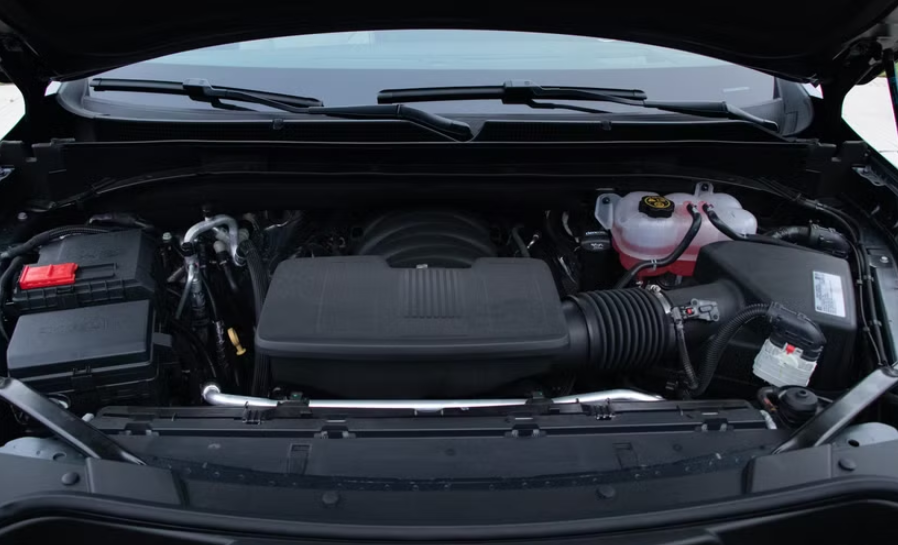
The GM L87 engine is a 5.3 liter part of the General Motors Gen V small-block V8 family of engines. This particular engine has been used in nearly all of GM’s full-size trucks, such as the Chevrolet Silverado 1500 and GMC Sierra 1500. The L87 is a 5.3-liter engine and is known to provide a balance between power and fuel efficiency, making it a highly sought after and popular engine option among truck owners.
The engine has several advanced technologies, such as:
- Direct Fuel Injection (DFI): Provides better control of the fuel/air mixture, thereby improving fuel efficiency by injecting fuel directly into the combustion chamber.
- Active Fuel Management (AFM): Improves fuel economy by deactivating half of the engine’s cylinders during cruising conditions.
- Variable Valve Timing (VVT): Optimizes performance by adjusting the timing of the engine’s intake and exhaust valves based on load and speed.
Most of these technologies have the goal of improving fuel efficiency and overall performance of the L87 engine. However, these complex technologies are possibly contributing to the performance and reliability issues with the L87 engine.
GM L87 Engine Problems: Root Cause of the Lawsuits
The GM L87 engine has shown the potential to be a great engine, however, issues with the engine has caused multiple lawsuits to be filed against GM. Below are some of the issues most frequently reported by affected vehicle owners, and the primary reasons for filing multiple lawsuits against GM.
1. Excessive Oil Consumption
Excessive consumption of oil is one of the many reported issues with the GM L87 engine. Numerous owners have noted that oil is burned faster than it is expected to be with L87 engines. This raised concerns among owners about the reliability and longevity of the engine. Some owners have to add oil between service intervals, increasing their overall costs of ownership.
The concern with excessive oil consumption is that it can cause damage to the engine. If the oil is too low, the internal components of the engine can be exposed to overheating due to insufficient lubrication, increasing friction, and potentially lead to catastrophic engine damage. Improper oil consumption is typically attributed to a defect with the engine’s piston rings or valve seals.
2. Engine Misfires and Rough Idling
Engine misfires and rough idling are also issues that have been reported with GM L87 engines. Engine misfires are when one or more of the engine’s cylinders do not fire. Engine misfires lead to a rough idle because of the lack of smooth combustion. Engine misfires are problematic because they lead to poor performance of the engine, lower fuel economy and higher emissions.
Owners have reported experiencing rough idling, where the engine has difficulty holding a steady RPM, resulting in excessively rough engine vibrations and poor driving comfort. These vibrations and the misfiring that can cause them may be a result of problems with the fuel injectors, the ignition coils, and/or the engine’s direct injection system.
3. Leak of Oil and Seal Failures
The other most common concern with the GM L87 engine is oil leaks and seal failures. Oil leaks can lead to the lack of lubrication in the engine, and have a burning engine in the extreme case. Also, oil leaks may cause damage to the alternator and belts, resulting in costly repairs.
Seal failures is another concern that a lot of owners have mentioned. When seals fail, the engine is able to lose oil, and other components of the engine become contaminated, a result of the poor sealing system design of the engine itself and/or the seals being made of poor quality. These oil leaks and seal failures, especially when the leaks are in the later stages, lead to losing other internal components of the engine.
4. Complications with the Timing Chain
A timing chain is an example of the many important pieces of a L87 engine. The timing chain is responsible for making sure an engine’s intake and exhaust valves open and close at the correct time. An engine can severely damage it self by making sure the valves open and close during the process of combustion.
Many owners of the L87 engine have encountered issues with timing chains wearing out quickly and needing repairs. In more extensive situations the timing chain can fail and seize the engine, meaning an entire engine replacement would be necessary. This issue is especially concerning because timing chains typically last for the entire life of a vehicle, and needing replacement is typically a big indicator of a production defect.
The GM L87 Engine Lawsuit: What Happened?
General Motors L87 Engine was the subject to multiple class-action lawsuits due to serious problems owners experienced with the engine. The lawsuits dealt with problems with the GM L87 engines that were not disclosed, as well as the lack of corrective measures taken to resolve those problems.
What Is The Class Action Lawsuit About?
Most lawsuits allege that GM knew about the L87 engine’s problems, so they weren’t addressing them. GM’s lack of corrective measures was a violation of consumer protection and warranty law, under which they were failing to provide corrective measures to consumers. Overall Loses suggested that the oil consumption and other pieces to the engine were a problem as well and people should not have to deal with the costs of the repairs.
Besides the claims above, the lawsuits allege that GM provided no corrective measures. GM did offer limited coverage repairs to impacted owners, but overall customers felt the repairs were uneffective and did not address the issues
GM’s Response and Lawsuit Settlement
GM won some of the lawsuits, but not all settlements worked for the people who own the vehicles. Some customers received extended warranties, replacement parts, or repair cost reimbursements. Still, a few owners felt that more needed to be done to contain the more serious defects of the L87 engine.
As for the class lawsuit settlements, customers filed lawsuits individually against GM. These lawsuits claimed losses of engine repairs, injury, and loss of value in the vehicles. Some got large settlements or judgments. Others were left with nothing after their case was thrown out.
GM has defended the L87 engine, but they, like many affected consumers, have stated the problems were not a defect. That has left many consumers thinking GM has done little to nothing to fix the problems.
What Are the Legal Implications for GM L87 Engine Owners?
As an owner of a vehicle with a GM L87 engine, here are some important aspects about your legal rights that you need to know.
Right to Join a Lawsuit
If you are facing problems with the L87 engine that include things like high oil consumption, engine misfires, leaking oil, and problems with the engine’s timing chain, you may be entitled to join a class action suit that’s already been filed or would be allowed to file a lawsuit on your own. It is recommended that you determine the legitimacy of your claim with an attorney that is an expert in automobile class action suits.
Warranty and Repair Coverage
GM offers very limited additional repair options with some L87 engine customers, including some owners getting extra warranty coverage. However, warranty coverage normally does not include financial coverage for the engine repair costs, especially if customers have already incurred engine failure. In the event you have problems with the L87 engine, you need to claim any warranty, repair, or reimbursement that you’re eligible for.
How to Protect Yourself?
There are a few things you can do to protect yourself and take care of your engine if you own a car with a GM L87 engine.
Doing Beginner Maintenance
Doing regular oil changes and oil checks are a must if you want to keep your L87 engine in good condition. If you feel your car is dropping oil a lot faster than usual, then you need to fix that problem because if you don’t, things will get a lot worse. If you want to avoid a lot of problems due to low oil, keep your engine nice and oily.
Look Out for Other Problems.
Be aware of more problems like rough idle, misfires, and oil leaks. If you see these problems take your car to a mechanic, they can get worse because of bad timing and be more expensive to fix.
Talk to a Lawyer
If you think you see a defect in your GM L87 engine, you can try to get a lawyer to see if you can get a case for it with a lawyer that splits automotive cases, and then they will guide you the rest of the way on what options you have.
Frequently Asked Questions
Here are some FAQs about gm l87 engine lawsuit –
1. What is the GM L87 engine?
The GM L87 engine is a 5.3-L V8 used in many GM trucks. It is on average as powerful as competitors V8s, while being more fuel efficient because of the Direct-Injected and Active Fuel Management technologies.
2. What Problems Are Common with the GM L87 Engine?
Engine oil leaks, are some of the more common issues that arise with this engine, as well as misfires, rough idle, timing chain issues, and oil consumption.
3. What Is the GM L87 Engine Lawsuit About?
There were issues with oil consumption on the L87 engine. The plaintiffs alleged that GM did not properly state what their issues were and that they did not try to fix them.
4. Can I Participate in the GM L87 Engine Lawsuit?
If you have owned a L87 engine and have had your own issues with the defects of the engine, you could potentially join a class-action lawsuit or submit a claim on your own.
5. How Can I Protect My GM L87 Engine?
To protect your engine, you should monitor your oil levels, get the engine serviced if you notice any problems, and reach out to an attorney if necessary.
Conclusion
The response to the GM L87 engine lawsuit: Engines are designed and manufactured for overall transactions and are wanted to last for many years or even decades. As for the L87 engine, this is one OEM engine has multiple performance flaws costing consumers a lot of money to fix, and is the basis for multiple lawsuits.
If you are the owner of a GM L87 engine vehicle, you should do what you can to know and manage the issues. If you are to learn on claims processes or not, the principal goal at hand is to be a vehicle owner and keep the vehicle operational.