You can tell how many ply a tire is by examining the sidewall markings, where you may find a “PR” (ply rating) or load range code. For example, markings like “6PR” or “E” indicate a 6-ply or 10-ply equivalent tire, reflecting its strength and load-carrying capacity.
When checking or buying a tire, it is work look at the particulars of the tire structure so that you know that tire will work for your driving needs and your vehicle. One of the most crucial aspects of a tire is its ply rating, which shows the tire’s strength and weight pulling capacity. Ply once directly referred to the number of fabric layers used to make a tire, but it has changed. With today’s tires, ply refers more to the range of load a tire can work with instead of a fabric layer count.
This guide will show you what to look for and what each of those things means when it comes to tire side wall markings. Being able to interpret your range and ply rating will help you understand tire strength and help you know what driving needs your tire choice will fulfill.
Contents
What Exactly is Tire Ply?
What does ply mean? Well, typically speaking, “ply” referred to the number of layers of fabric or cord that made up the inmost structure of a tire. These plies kept imbuing the tire with strength, making it tougher and more long-lasting. Thus, a tire with more plies was tougher and stiffer, and was therefore able to support more weight and handle more pressure.
In the past, tires were built with multiple layers of plies using cotton and steel cords. These plies were visible and could be counted. For instance, a tire with “6-plies” would simply mean it had six plies of such reinforcing material.
However, with the evolution in tire construction, particularly in the use of synthetic materials such as nylon and steel, most tire manufacturers have stopped counting physical plies in modern tires. Instead, the term ‘ply rating’ was introduced as an indicator of how much weight a tire is able to support.
How to Tell How Many Ply a Tire Is
In this post, we will discuss how to find the number of plies in a tire. This process involves a few steps. While it may seem as though all you have to do is count the number of fabric layers, this is not the case. In fact, it is often a lot more complicated and requires some knowledge of how to identify a tire’s ply rating, or load range.
Step 1: Inspect the Tire Wall for Markings
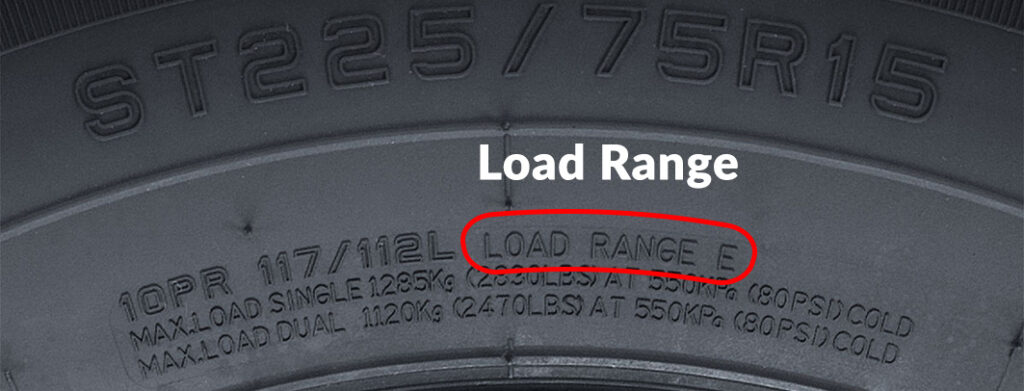
Your first job is to check the tire wall for markings. Every tire has its size, type, load rating, and other info stamped or embossed in the tire wall fabric. Among these markings is often the ply rating or load range, which will tell you how many ply’s the tire is rated for. Here are a few things you need to know about reading tire walls:
Things to Pay Attention to:
When it comes to ply rating and load range, tire wall information is something we need to pay close attention to. Markings, symbols, and numbers are key to helping us find out how many ply’s a tire has.
Ply Rating or Ply Number( PR): The letters PR indicate Ply Rating. So, for instance, a tire marked as 6PR means it’s a 6-ply tire, but it doesn’t actually have 6 layers of fabric, as modern tires are made using stronger materials, so they have fewer, but stronger, plies.
Load Range (Load Rating): There’s often a load range or load index symbol in tires which indicates how strong the tire is. The load range is typically a letter code like C, D, E, or F. The letters represent the tire’s ply rating and load carrying ability as such: C: 6-ply, D: 8-ply, E: 10-ply, F: 12-ply. This is how you can tell the strength of the tire, which is often found immediately after the tire size is printed.
Other Markings: Some tires may just list the ply rating like 8-ply or 10-ply. If no ply rating is printed, the load range code should do the trick.
Step 2: Understanding Load Range and Ply Rating
You need to know that the load range of a tire is associated with the tire’s ply rating, but it is not a perfect relationship with modern tires. The older tires used to have layers of fabric to increase the load range, but modern tire construction uses much stronger materials like steel, nylon, and polyester that can increase load range with fewer layers.
Load Range to Ply Rating Chart
Below is a simple chart that shows how the load range correlates to ply rating:
| Load Range | Ply Rating (PR) | Tire Strength (Equivalent to Ply Count) |
|---|---|---|
| B | 4-ply | Standard load for passenger cars |
| C | 6-ply | Medium strength, often used for light trucks |
| D | 8-ply | Stronger tires for heavier loads |
| E | 10-ply | Used in heavy-duty trucks, trailers, or RVs |
| F | 12-ply | Maximum load capacity tires |
Why Load Range Matters
Load range is an important rating because it explains how much weight a tire can sustain. The more weight the tire can hold, the higher the load range or ply rating. A tire’s load portability is largely dependent on the tire’s ply rating.
Step 3: Look in the Vehicle Owner’s Manual
If the tire markings are absent or if you only want to double verify the correct ply rating for your vehicle, utilize your vehicle’s owner’s manual. The majority of the vehicle manufacturers will recommend certain types of tires that will suit the vehicle’s load capacity and performance needs.
For instance, certain vehicles will specify that tires rated for a 10-ply load range are required. This will be a safety and performance issue if you do not meet that requirement. Tires that are of lower ply ratings will have an effect on handling, load capacity, and tire longevity.
The Effect of Ply Rating on Performance and Safety of Tires
Tire ratings are important for the performance and strength of a tire, it will be the reason that a tire will be able to carry a certain load and be durable. Knowing how this rating affects the performance of a tire will help you in getting the right tire for your vehicle and the conditions in which you are going to drive. This will help in keeping safety and good function in mind.
1. Strength and Lifespan
Tires with higher ply ratings, 8-ply or 10-ply, are built to withstand greater strains. These are more reliable, and can endure heavier loads which makes them perfect for trucks, trailers, and off-road vehicles. Because more plies means that the tire’s internal structure can better handle the stress, the risk for getting a blowout or puncture is lower.
2. Load Capacity
As explained, a tire’s ply rating is usually a direct correlation to how heavy of a load the tire can handle. Because a tapered rating can handle more weight, it makes it more necessary for vehicles that have heavy loads for a sustained period of time. The tires that have a higher ply rating also have a higher standard for pressure which means that they can function under more difficult conditions.
3. Ride Safety
On the other hand, if higher ply tires are used, that may result in a rougher ride. This is due to the fact that more plies or tougher materials tend to make the tire stiffer, which avoids the tire from absorbing bumps and vibrations. Because of this, passenger vehicles will get that rough ride that’s why those vehicles are made to have tires that are 4-ply or have a standard load due to the fact that it’s a passenger vehicle.
4. Handling and Fuel Economy
More load bearing ply tires, in general, are better at handling cargo and are better for larger vehicles. However, lighter duty vehicles and regular passenger cars run the risk of fuel efficiency losses due to higher rolling resistance of tires with very high ply ratings. There needs to be a balance on the fuel efficiency of a tire versus it’s load and ply ratings.
What If There Are No Ply Or Load Range Markings?
Absence of sidewall ply or load markings could mean a few things:
Passenger Tires: Regular passenger tires are typically considered to be 4 ply \”Standard Load\”. These types of tires should be assumed to have no \”PR\” designation as they are intended to be operated in normal on the road and normal weight driving situations.
Non-Rated Tires: Older tires or some non-standard tires may have a complete lack of marking. These situations are best referred to a vehicle’s specs or asking the manufacturer.
If there is confusion, always best to assume that tire manufacturer or local tire expert is correct with the tires that are best fitted to your vehicle.
Myths and Common Misunderstandings
There are some common myths and misconceptions surrounding tire ply ratings that can cause confusion when trying to choose a tire. Here, we will cover some of the common myths and misunderstandings to help you gain the knowledge needed to make the right decision when it comes to selecting a tire and understanding ply ratings.
Myth 1: More Ply = Better Quality
While more plies, a higher ply rating, does indicate more durability, it does not always mean it will provide a vehicle with the best performance. In modern tire manufacturing, higher quality materials are used, such as steel belts and synthetic fibers, which provide more strength and durability with fewer plies being used. In fact, a tire with higher ply ratings is not always the best for vehicles that are not made to carry large amounts of weight and cargo. Make sure to consider what the tire’s ply rating is and match it with what your vehicle needs.
Myth 2: Ply Rating = Tread Life
Ply rating has to do with the strength and how much weight a tire can hold, not how long the tread on it will last. The tread of a tire is made out of a rubber compound, which, depending on the type of driving you do and how well you maintain it, determines tread life. Ply rating has nothing to do with how long a tire’s tread will last.
Frequently Asked Questions
Here are some FAQs about how can you tell how many ply a tire is –
1. What is “6PR” on a tire?
“6PR” is the same thing as saying Six Ply Ratings. This means the tire’s strength is that of a traditional six-ply tire, though it does not mean that the tire is an actual six-ply, as there are modern materials that can provide that same strength but are only a single layer.
2. How Can I Tell If a Tire is a Good Fit For My Vehicle?
To find your vehicle’s recommended tire specifications, like tire size, ply rating, and load range, check your vehicle’s manual. Always confirm compatibility and safety by matching these specifications to the tire’s markings before purchase.
3. How Do Higher Ply Tires Impact a Ride?
Generally, higher ply tires can impact ride comfort the most, and have a greater likelihood of creating a rougher ride. However, they also have more durability and capacity to carry more weight. For most standard passenger vehicles, tires rating in the 4 ply to 6 ply range are more than adequate.
4. How Are Ply Ratings and Load Ranges Different?
How much weight a tire can carry is defined as the load range, whereas how much structural strength a tire has is referred to as the ply rating. Modern, more highly engineered tires may have a stronger, more desirable construction, and have fewer overall plies than tires old construction.
5. Is It Ok To Use Tires With A Ply Rating Higher than Is Recommended?
While using tires with ply ratings higher than recommended can lead to ride comfort and fuel efficiency being negatively affected, there is nothing wrong with using them. For your vehicle’s weight and intended usage, it’s most ideal to select a tire with the right ply rating and load range.
Conclusion
It is very important to know what the ply rating is and how many ply a tire is so you can make the right choice and have your vehicle function properly. Tire ply rating is how much load range a tire is capable of holding and knowing this helps a person make the right choice to stay safe. Tire sidewall markings and load range code descriptions provide a person the ability to read if they know the toe and range of the tire to their vehicle to ensure safety and a better ride.
Finally, if you do not have some sort of expertise on what tire to use on your vehicle, or if you can’t interpret the code and markings on the tire, you lack the ability to choose a tire and should consult a professional.