


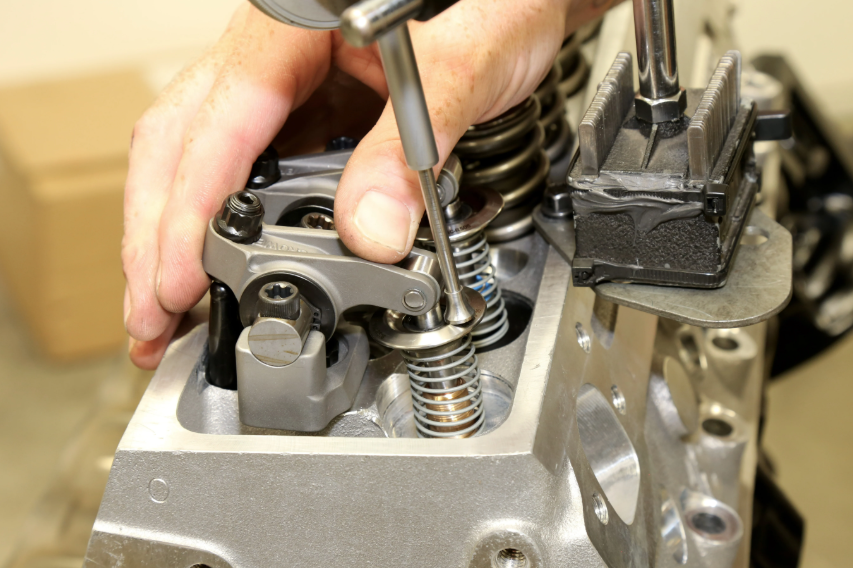
When adjusting how hot should engine be for tappet clearances, understanding how temperature influences engine parts is crucial. Tappet clearance refers to the gap between the valve stem and the rocker arm or tappet, which is necessary for proper valve operation. This clearance changes as the engine heats up, making it important to check and adjust at the correct temperature to avoid issues like misfiring, poor performance, or engine damage.
While the specific temperature may vary based on the engine, this article will explain why engine temperature matters, how to measure and adjust tappet clearances, and the potential consequences of getting it wrong.

Contents
- 1 What Is Tappet Clearance?
- 2 Why Engine Temperature Matters for Tappet Clearance
- 3 Typical Temperature Conditions for Tappet Clearance Checks
- 4 How Hot Should Engine Be for Tappet Clearances: Specific Recommendations
- 5 Step-by-Step Process: How to Check Tappet Clearance
- 6 Symptoms of Incorrect Tappet Clearances
- 7 Frequently Asked Questions
- 8 Conclusion
What Is Tappet Clearance?
Tappet clearance, sometimes referred to as valve clearance or valve lash, is the small gap between the valve stem and the rocker arm or tappet. The gap ensures that the engine’s valves open and close fully without causing damage or improper combustion. If this clearance is too tight, the valves may not close properly, affecting engine performance. If the clearance is too loose, it can cause excessive valve noise and accelerate wear on the valve train.
In an internal combustion engine, valves play a critical role in controlling the intake of air and fuel, as well as the exhaust of gases after combustion. The tappets, also known as cam followers, are part of the mechanism that helps operate the valves. As the engine runs, the metal components expand due to the heat generated during combustion. Adjusting the tappet clearance takes this expansion into account, ensuring that the engine continues to run smoothly throughout its temperature range.
Why Engine Temperature Matters for Tappet Clearance
Engine temperature plays a critical role in valve and tappet clearances. As the engine heats up, metal components expand. When the engine is cold, the metal parts are contracted, meaning the gap between the tappet and valve stem will be smaller. As the engine warms, these metal parts expand, and the clearance increases.
This expansion and contraction of metals is why it’s important to check and adjust tappet clearance either when the engine is cold or hot, depending on the manufacturer’s recommendations. If tappet clearance is checked or adjusted at the wrong temperature, the valve may either stay open too long or not open enough, which can cause poor engine performance, rough idling, and even permanent damage over time.
Cold Engine vs. Hot Engine Clearance
The debate between cold engine vs. hot engine clearance largely revolves around engine design and intended operating conditions. However, knowing the difference between these methods is essential in maintaining your engine’s longevity and performance.
- Cold Engine: Many older vehicles or engines with mechanical lifters require tappet clearance to be set when the engine is cold. In these engines, the engine parts contract to their smallest size, so the clearance is measured when the engine is at ambient temperature. This cold clearance ensures that the engine parts expand to the correct size once the engine reaches operating temperature.
- Hot Engine: Some modern engines require tappet clearance to be set while the engine is running or at operating temperature. This is because many newer engines have hydraulic lifters or other mechanisms that automatically adjust clearance as the engine runs. For these engines, setting the clearance while the engine is hot accounts for the expansion of metal parts.
Typical Temperature Conditions for Tappet Clearance Checks
When adjusting tappet clearance, there are two primary conditions that manufacturers typically recommend: cold or hot engine settings. The type of engine and valve system will determine which method should be used.
Cold Engine Condition
For many engines, especially older or simpler mechanical lifter systems, tappet clearance should be checked with the engine cold. A cold engine means it has completely cooled down after the engine has been off for several hours. This is the standard method for many older vehicles with solid lifters, where you measure the clearance when the parts have contracted due to cooling.
Cold engine measurement is ideal because it provides a baseline measurement when the metal components are at their smallest. Since the parts expand as the engine warms up, setting tappet clearance cold prevents the valves from being too tight when the engine heats up.
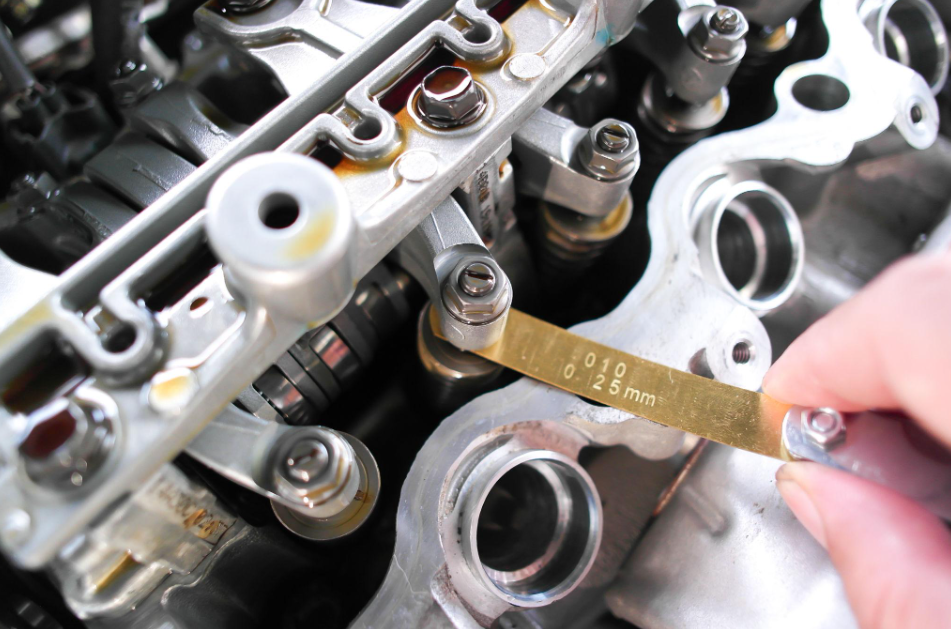
- Procedure for Cold Measurement: After the engine has completely cooled, the valve cover is removed to expose the tappets. The crankshaft is then rotated to place each cylinder at top dead center (TDC) on its compression stroke. Once the valves are closed, you can use a feeler gauge to measure the clearance between the tappet and the valve stem. If the clearance is incorrect, adjustments are made.
Hot Engine Condition
Some engines, especially those with hydraulic lifters or those that require engine running to adjust valve timing, need tappet clearance to be checked when the engine is hot. A hot engine means it has reached its normal operating temperature, where coolant is flowing, and the engine is running at the optimal temperature range for performance.
For engines that require hot adjustments, you’ll typically need to let the engine run until the temperature gauge stabilizes and the cooling fan cycles on and off. In this case, the engine parts are already expanded due to heat, so the clearance is adjusted accordingly.
- Procedure for Hot Measurement: After the engine reaches operating temperature, the clearance is measured in the same way as cold engine measurement. However, adjustments are made with the engine running, and the feeler gauge is used to ensure that the correct gap exists for the valves to function properly.
How Hot Should Engine Be for Tappet Clearances: Specific Recommendations
The engine manufacturer’s specifications should always be your first guide for determining whether tappet clearance should be adjusted when hot or cold. These instructions vary between engine types and designs.
Checking the manufacturer’s manual is crucial for accurate adjustments. Some engines perform best when tappet clearance is set cold, while others function better when the engine is hot.
Follow the Manufacturer’s Manual
The best way to determine whether the engine should be hot or cold for tappet clearance is to consult the manufacturer’s service manual. Most engine manuals provide specific instructions on the required temperature for tappet clearance checks and adjustments. These guidelines account for the unique design of the engine and ensure that the correct clearances are set for optimal performance.
For instance:
- Cold Setting: If the manual specifies cold measurement, you must ensure that the engine has cooled down to room temperature before adjusting tappet clearance. This often takes several hours.
- Hot Setting: If the manual specifies hot measurement, you should allow the engine to reach its normal operating temperature. In most cases, this means letting the engine run until the thermostat opens and the temperature gauge stabilizes.
Typical Temperature Ranges
For most engines, the ideal temperature range for tappet clearance measurement is when the engine reaches a stable operating temperature. This is typically around 180°F to 210°F (82°C to 99°C). If you are working with an older engine or one with specific cold settings, the engine should be allowed to cool to room temperature, usually between 60°F and 80°F (15°C to 27°C).
Step-by-Step Process: How to Check Tappet Clearance
The process of checking and adjusting tappet clearance is straightforward but requires attention to detail. Here’s a step-by-step guide to get it right.
Following the proper procedures ensures accurate results and helps prevent engine damage from incorrect adjustments.
Tools Needed
Before starting, ensure that you have the following tools:
- Feeler gauges for measuring the tappet clearance
- Wrenches and screwdrivers to remove the valve cover and adjust tappet screws
- A crankshaft tool to rotate the engine to top dead center (TDC)
- A service manual for the engine to refer to correct specifications
Step 1: Prepare the Engine
The first step is to ensure that the engine is at the correct temperature condition (either cold or hot). If the engine needs to be cold, let it cool down for several hours after shutting it off. If the engine needs to be hot, run it until the temperature gauge stabilizes at the normal operating range.
Step 2: Remove the Valve Cover
Next, remove the valve cover to expose the tappets, rocker arms, and valves. You may need to loosen bolts or fasteners holding the cover in place. Be careful not to damage the gasket if you plan to reuse it.
Step 3: Position the Engine at Top Dead Center (TDC)
To properly measure tappet clearance, rotate the crankshaft to position each cylinder at top dead center (TDC) on its compression stroke. At TDC, the valve for that cylinder will be fully closed, making it the correct position for measuring clearance. Use the service manual to identify the firing order of the engine and proceed accordingly.
Step 4: Measure the Tappet Clearance
Once the engine is at TDC, use the feeler gauge to measure the clearance between the tappet and the valve stem. Insert the gauge into the gap and check for slight resistance. If it is too tight or loose, adjust the tappet clearance by loosening the lock nut and turning the adjustment screw. Recheck the clearance once the nut is tightened.
Step 5: Adjust Tappet Clearance
If the clearance is incorrect, loosen the lock nut and turn the adjustment screw to achieve the correct gap. Tighten the lock nut after making the adjustment and double-check the clearance with the feeler gauge. Be sure to follow the specifications in the service manual for each valve.
Step 6: Repeat for All Valves
Repeat the process for each valve in the engine, following the firing order to adjust the tappet clearance for each one. After adjusting all valves, replace the valve cover and tighten all bolts securely.
Symptoms of Incorrect Tappet Clearances
Incorrect tappet clearance can lead to various engine problems. Here’s how you can identify issues caused by improper clearance:
- Too Tight Clearance:
- Engine overheating
- Poor compression and misfiring
- Valves failing to close fully
- Loss of power and efficiency
- Potential valve damage over time
- Too Loose Clearance:
- Loud tapping or ticking noises from the engine
- Rough idling or engine misfire
- Reduced engine performance
- Increased wear on engine components
Both conditions can negatively affect the engine’s efficiency, performance, and longevity. It is essential to regularly check and adjust tappet clearance to maintain optimal engine health.
Frequently Asked Questions
Here are some FAQs about how hot should engine be for tappet clearances –
1. Can I adjust tappet clearance when the engine is cold?
Yes, many engines require tappet clearance to be adjusted when cold, especially older vehicles with mechanical lifters.
2. How do I know if my engine needs hot tappet clearance adjustments?
Check the service manual. Some modern engines require the engine to be running at normal operating temperature for accurate clearance adjustments.
3. How can I tell if tappet clearance is too tight or too loose?
If clearance is too tight, the engine may overheat or lose compression. If too loose, you’ll hear ticking noises, and engine performance will suffer.
4. Is hydraulic tappet adjustment different?
Yes, hydraulic tappets automatically adjust valve clearance, reducing the need for manual adjustments. However, they still depend on proper oil pressure and cleanliness.
5. How often should tappet clearance be checked?
It depends on the engine. Many manufacturers recommend checking clearance every 30,000 to 50,000 miles or as part of regular maintenance.
Conclusion
Knowing how hot should engine be for tappet clearances is crucial for proper engine maintenance. Engine temperature significantly affects the clearance between tappets and valve stems, and setting this clearance at the correct temperature ensures smooth engine operation. Always refer to the manufacturer’s manual to determine whether your engine requires cold or hot clearance settings.
By following the correct procedures and using the right tools, you can maintain proper tappet clearance, prevent unnecessary wear, and keep your engine running smoothly for years.


