How much are used tires worth? Used tires are generally worth $20 to $100, depending on their condition, age, and brand. Tires with more tread and less wear tend to have higher value.
For low-cost alternatives that still maintain reasonable quality, most people tend to look for used tires. If you are someone who is looking to get rid of some old tires or looking for low-priced tires, finding out how much used tires are worth is important. This guide is going to go through how used tires are valued and where you can buy or sell them and why used tires can sometimes be an option for drivers.
As we begin, I must say that used tires are not going to be the best option for every single car and driver. Providing wonderful savings, used tires also come with underlying risks that need to be weighed. This article is going to go over just how much used tires are worth, the primary things that determine their value, and what to consider when looking for used tires.
Contents
Appreciating What Used Tires Are Worth
Used tires have great value for purchasers and sellers, but maximizing returns is dependent on being able to determine the actual worth of the tire, which is based on a collection of factors including, but not limited to, the tire’s condition and structure, age, manufacturer, and prevailing demand for that particular type of tire.
Before delving into the specifics of how much value you can buy or sell used tires for, it is vital to understand the reasoning behind these factors.
What Are These Factors That Affect Used Tires For Sale?
When working to sell tires for the best value, the following factors must be considered. These factors have a great bearing on the overall selling price regardless of whether you are the seller or a buyer.
1. Assessing Tire Value via Tire Condition and Tread Depth
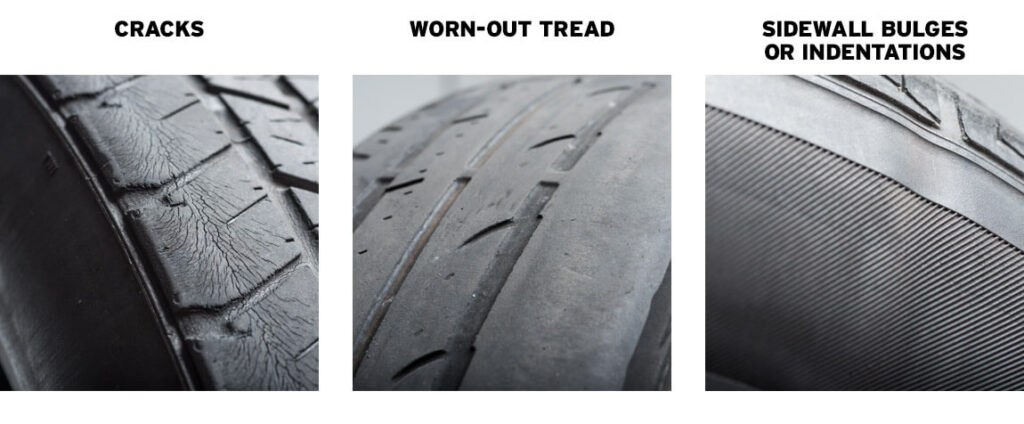
Tire condition and tire tread depth are the most critical assessment factors driving the tire’s value. More tread translates to a more valuable tire as it has a longer, useful life ahead. If safeness and value continue to drop as tread depth diminishes, how shallow is the tread depth measured?
Tread depth is measured in 32nds of inches and a new tire starts with about 10/32 inches and some may have a depth of more than 12/32 inches, depending on the brand. Below is a value assessment ladder based on rubber depth measured in 32nds:
- New: If a tire’s tread depth is measured 10-12/32 inches, it is most valuable and stand to get full value on resale.
- Moderate wear: 6/32 to 8/32 inches of tread is still a reasonable depth that provides a safer tire than is the case in worn tires. Tires in this category will attract moderate rates.
- Worn: Less than 4/32 inches is a distance walking depth outside the tire rubber that is useful. A surface tread less than 2/32 is virtually unsellable from a usefulness perspective.
Quality Value: In general terms, 50% tread depth (approximately a 6/32 depth rubber surface walking distance) allows continued resale from a reasonable market perspective.
2. Tire Age
An important factor in determining value is age. No matter how much or how little a tire is used, the rubber will slowly start to degrade over time. This phenomenon, known as dry rot, can lead to dangerous driving conditions, as the tire can begin to weaken even if there is sufficient tread.
Most tire manufacturers recommend that tires be replaced after six years of use, while countless other experts will suggest not buying a tire over five years old. Tires over six years old, regardless of how much tread is left, almost always will not be used, as the rubber will be too degraded to be considered safe, resulting in little to no resale value due to the high chance of a blowout.
To find the age of a tire, look for the DOT date code. This code will be a four digit code found on the tire’s sidewall. The first two digits will tell you the week of the year the tire was made, while the last two digits represent the year. As an example, if a tire has a DOT code of 0419, then that tire was manufactured in the 4th week of the year 2019.
3. Tire Size and Type
Larger tires are generally more valuable and can fetch a higher resale than smaller ones. However, the demand in resale markets for different sizes and configurations of tires can vary and depend on the popularity of the specific size.
As an example, a 205/55R16 tire is a common size for passenger vehicles, meaning that it will likely have a higher demand and can command a better price. Conversely, tires for SUVs, off-road vehicles, and trucks, will usually have a higher resale due to the size and more specialized nature.
Condition is a key factor in rivaling a tire if it has been used for a purpose such as rough winter driving or put onto highly driven a vehicle without the usage of a tire of the same size. If the tire is also in good standing compared to the price of used winter tires and off-road trucks in their specialized all-terrain tires and performance compared to the same style off-season tires.
Related Article
What Do Tire Sizes Mean?
4. Brand and Model
Reflex and Tango are the best ones used by winter utility vehicles while Model of the folk or the go are also good. The kept pride to their value is retained compared to the ones in the market as tired and off for no good usage and parking their vehicles of such. This also allows them to also be sports tires for the trust and reliability of used.
As long as you are selling a tire from a reputable manufacturer, you will have no problem selling any used tire, even if it has some miles on it, at a higher price than others. In the case of budget tires, though, you will have a harder time selling it, even if the tires are in excellent condition, and have a rare size that people want, because budget tires have a much lower resale value.
5. Market Demand and Location
Demand for used tires is dependent on location, and even time of year. Depending on the season, there are tires that are more in demand than others. For instance, in the summer months in a warmer area, all-season tires are in demand and are more desirable than winter tires which are more in demand in the winter months in colder regions.
Also, if you are in a place where there are a lot of larger vehicles (like trucks, SUVs, or off-road vehicles), there will probably be a higher demand for larger tires more than if you are in an urban place where a lot of smaller cars are which will probably lead to having smaller tires more in demand.
6. Damage or Repairs
Less value will be placed on a tire if it has any sidewall damage, punctures or bulges. Damaged tires may only be worth the scrap metal which is significantly less than what a tire in good condition would be worth.
What is the Actual Value of Used Tires?
Now that we covered the variables that go into pricing used tires, let s look at the value of used tires based on how old they are and what type they are.
Value Ranges Based on Age
When assessing the value of used tires, the age of the tire is a major factor in setting the price. tires that are newer, are less worn, and have better tread depth on them will go for a lot more than older ones that are more damaged. Here is a summary of value ranges based on the age of the tire.
- Tires newer than 2 years old with 75% tread or more on them: $75–$125+ each
- Tires 2 years old with 50%-75% tread: $55–$95 each
- Tires 1 years old with 25%-50% tread: $35–$55 each
- Tires older than 1 year with less than 25% tread: $15–$35 each
Value Ranges Based on Type
The type of tire you are dealing with is also a factor to consider. Specialty tires that are made for specific vehicles or purposes, like offroad, or high performance tires, are worth more than basic all season tires. They have more demand because of their specialized characteristics and more limited availability.
- Most Passenger Car Tires: $25 to $70 per tire
- Tires for Light Trucks or SUVs: $40 to $100 per tire
- Winter/Snow Tires: $50 to $150 per tire (price may increase during high-demand winter seasons)
- High-Performance Tires: $70 to $200+ per tire (price varies by brand and size)
All prices are subjective to and may change by area, the demand for the tires, and what dealerships you are going to for buying and selling.
Where to Buy/Where to Sell Used Tires
If you’re considering selling or buying used tires, here are a few options to explore.
1. Tire Shops and Dealers
Most tire vendors or tire retail operations are willing to buy tires, especially if they are still in usable condition for resale. These shops will examine the tires, and if they are able to be resold, they will mark them up and sell them to other customers.
Pros: they are quick to give money to you for tires. tires get stamped by the shop for resale before they are resold to customers.
Cons: shops are less likely to offer big money deals.
2. Platforms for Selling Used Tires On!
Trade operations for used tires through the internet on sites like Craigslist, Facebook, and eBay can help people sell tires to many people, which can increase the sale price. Sellers are able to post more compelling pictures and descriptions to draw people’s attention.
Pros: able to sell to many people. higher selling price.
Cons: Finding a buyer may take time, and you may have to deal with shipping as well.
3. Salvage Yards
When resale may not be an option because the tires are too worn to sell, salvage yards and scrap tire facilities can still provide disposal service, albeit with some value in material recycling. It’s more value than simply disposing of them in a landfill, although the payout here is marginal compared to the resale market.
Pros: Disposal is straightforward and more landfill friendly.
Cons: The payout is negligible.
4. Local Classified Ads
Selling used tires can be as simple as posting to local classifieds in a newspaper or online. This option is well suited for tires in decent condition that may not hold enough value for a tire shop.
Pros: This option is straightforward with no middleman.
Cons: Wider audience may not be attainable. Possible lower value.
Risks of Buying Used Tires
While the savings can be appealing, used tires certainly carry some risk. As with any tires, the usual wear and tear brings additional considerations and potential downsides.
Reduced life expectancy: Tires have a lifespan that is 100% exposed to wear and tear.
Safety issues: Sidewall damage is a common reason for tire failure, and used tires may have this damage issue that is not always visible.
No warranty: Most buy used tires that do not have some form warranty. If these tires fail, which is a big possibility, you will more than likely have to purchase these buy used tires again.
The used tires must be checked out, used tires need more attention to detail than a normal product. Check for damage and uneven wear. Find one that is a decent age so you don’t spend money on tires you will need to replace again fairly soon.
Frequently Asked Questions
Here are most common questions asked about used tires worth –
Q1: Could I make some money selling used tires?
A: Yes. If the tires are in decent condition, you can earn between $40 and $100 per tire, depending on the size, condition, and brand.
Q2: Are used tires safe?
A: If it’s used and in decent condition, with enough remaining tread, no visible damage, and not too old, yes. Always check tires thoroughly before buying and using them.
Q3: How can I check the age of tires?
A: You can check the age of the tire by referencing the DOT code on the tire sidewall. The last four of the code represent the week and year of manufacturing.
Q4: How much are used winter tires worth?
A: Used winter tires can be anywhere from $50 to $150 per tire, depending on the condition and if there is demand for tires in your area.
Q5: Should I buy used tires or new ones?
A: We all know new tires will cost more than used ones and buying used tires might save you some money, but there are some potential risks to consider. If you need to stay on budget and the used tires are in good shape, buying used ones can be an option. If safety is really a concern, you might want to buy new tires.
Conclusion — How Much Are Used Tires Worth?
In the end used tires normally will be worth somewhere between $20 and $100 per tire. This usually is based on the condition, age, type and even the demand for a used tire. In total, for a full set of used tires the price will probably range from $100 to $350 with $100 being the best case scenario. With something that is used, the biggest thing is the tread depth, safety, and an overall condition of the used tire.
When buying the used tires take into storage and the depth of the tread. If you are selling the used tires make sure that they are good enough condition to be sold at all with no major visible damage to at least be in the range of a decent price.