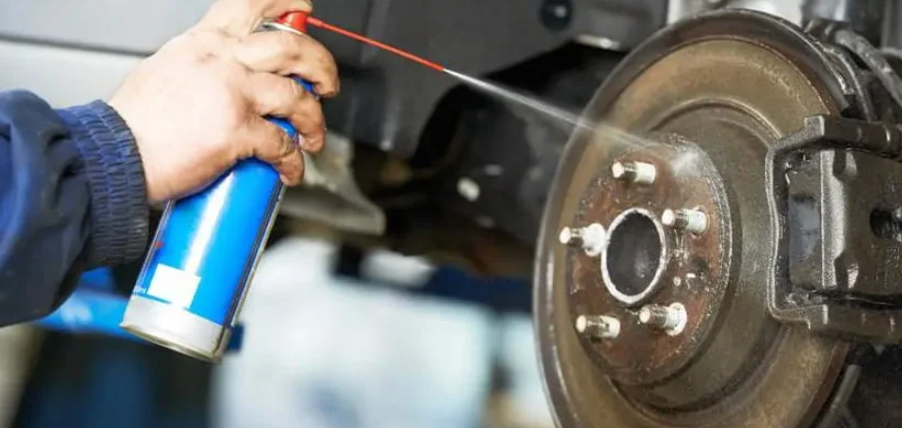
How to clean brake pads? To clean brake pads, remove the wheels and spray brake cleaner directly onto the pads to remove dust and debris. Use a soft-bristled brush to scrub off any stubborn dirt, and then blow away the remaining particles with compressed air for a thorough clean.
It is beneficial for your car, and for your safety, when you take care of cleaning your brake pads often, this improves your cars brake function and wear and tear while also improving your cars overall performance. Your cars brake pads pick up dirt, grime and smaller debris while driving. This debris can hinder your braking systems performance. When you brake pads are cleaned often, you can avoid screeching brakes, avoid premature wearing, and you can extend the life of your brake pads and your brake rotors.
Cleaning your brake pads is simple, and will save you a lot of money, no matter the level of brake cleaning experience you have.
Contents
Why Do You Need To Clean Your Brake Pads?
Cleaning brake pads is time consuming, and you will end up cleaning your brake pads a lot, however it does have a lot of benefits. This is why many car owners, don’t bother cleaning their brake pads, and instead let them wear down. This is why it is important to keep brake pads clean:
1. Improved Braking Performance
When brakes are not cleaned, their stopping efficiency and distance can be significantly altered. When pads are clean, they can slow down the vehicle in a timely manner by ensuring that there is good contact with the rotors.
2. Brake Noise Reduction
When you apply the brakes, you may hear squeaking or grinding noises caused by brake dust or debris on the pads. These sounds could also mean that the pads are unevenly worn. Quiet brakes are possible by cleaning the pads and reducing the chances of annoying brake sounds.
3. Prevention of Premature Wear
When dirt and grime accumulate on brake pads, it can cause uneven wear. Over time, this leads to excessive wear on the pads, making them less effective at braking. Cleaning brake pads promotes even wear, preventing excessive dirt buildup, and prolonging the brake pads.
4. Prevention of Rotor Damage
Dirty brake pads can also cause damage to the brake rotors. When the pads are pressed against the rotor, debris gets between them to cause scratches and damage to the rotor, making it more expensive to repair or replace the rotor. If you clean your brake pads routinely, you can avoid this problem.
5. Better Heat Dissipation
As the vehicle slows down, the brake pads press against the rotors, creating heat. If the brake pads are dirty it makes it difficult for them to cool down. This causes the pads to heat up and makes them less effective. Cleaning brake pads helps them cool so they work better.
How to Clean Brake Pads
Cleaning brake pads requires the right tools. Here is everything you will need to clean them properly and safely.
Tools and Materials
- Brake Cleaner: An important tool for cleaning brake parts is brake cleaner. This is a special solvent that removes grease, dirt, and brake dust from pads and rotors.
- Brake Pad Cleaner Spray: Brake pads are made out of a material that is damaged easily so you must avoid industrial grade brake cleaner. Instead use a special kind of brake cleaner that will not damage the pads.
- Lug Wrench: A lug wrench, is also needed to remove the wheels so you can access the brake pads.
- Car Jack and Jack Stands: A car jack and jack stands will also be needed to move the car, and keep it still, while you work.
- Soft Bristled Brush: A brush may be required to scrub any stubborn dirt or brake dust that may be left over after brake cleaner is used.
- Compressed Air: After cleaning, compressed air is used to blow away remaining debris and dust.
- Gloves: Gloves are used to keep your hands safe from the harmful brake dust and the chemicals.
- Bucket of Water: If the brake cleaner is non-toxic, rinse away any residue with the bucket of water.
Cleaning Brake Pads: Step-by-Step Process
Cleaning brake pads is not an overly complicated task, and does not require a large array of tools. Together, following the simple guide below, you can ensure you’re not putting yourself, or others, in danger while driving.
Step 1: Get Your Tools Together
- Park on a Level Surface: Keeping the brake engaged ensures the vehicle does not move while you’re working.
- Get Your Tools: Ensure you have everything you will need, including jack, brake cleaner, a soft brush, and gloves.
- Loosen Lug Nuts: Using a lug nut wrench, loosen the lug nut bolts, but do not completely remove them yet.
Step 2: Jack the Vehicle and Take the Wheels Off
- Lift the Vehicle: Always place jack stands below the vehicle for added safety. Never work under a vehicle supported only by a jack.
- Remove the Wheels: Once you’ve lifted the vehicle and taken the lug nut bolts completely off, remove the wheels. Then you can access the brake pads and rotors, and clean them.
Step 3. Inspect the Brake Pads
- Locate the Brake Pads: Identifying the Brake Pads. After removing the wheels, find the brake calipers and brake pads. Depending on what kind of car you have, the brake pads may be located on the inner or outer side of the rotors.
- Removing the Brake Calipers (if needed): In some situations, you may have to remove the brake calipers to reach the brake pads. If this is the case, use the correct tool to take out the bolts that hold the calipers.
Step 4. Wash the Brake Pads
- Applying the Brake cleaner: From a few inches away, spray the pad at even widths to cover as much of the surface as you can. Focus on the areas that have the most brake dust. If you are working with a brush, it is best to apply the cleaner directly to the brush so that you have the largest area of the brake dust to work with.
- Cleaning the pads: Use a soft brush to wash the pads and remove left over dirt and grime that may have been loosened or cleaned by the brake cleaner. Don’t apply too much pressure, as too much can cause damage to the pads.
- Use Compressed Air: Use compressed air on your brake pads to keep any tiny particles from contaminating your brake system.
Step 5: Clean Brake Rotors
If you are cleaning brake pads, you should clean brake rotors as well. The build-up of dust and dirt can cause your brake system to malfunction, and may even put your safety at risk.
- Spray Brake Cleaner on the Rotors: To clean brake rotors, spray brake surface cleaners to remove dust and debris build up. For any remaining debris, you can use a soft, clean brush to scour the surface.
- Dry the Rotors: Once the brake rotors are clean, use a clean, dry cloth to remove any remaining moisture. Compressed air can also be used for this.
Step 6: Reassemble the Brake System
- Reattach the Caliper: If the caliper had to be removed to clean the brake pads and brake rotors, it can be reattached by lining up the caliper and brake rotors and fastening the caliper bolts.
- Replace the Wheel: Once the brake calipers and brake pads are reassembled correctly, you can place the wheel back on.
- Tighten the Lug Nuts: Begin by tightening the lug nuts by hand. Use a lug wrench to finish tightening the nuts in a star pattern to distribute the pressure evenly.
Step 7: Lower the Vehicle
- Lower the Car: Once you’ve finished tightening the lug nuts, you can use the car jack to bring the car back down to the ground.
- Final Check: Before you start to drive, pump the brake pedal a few times to make sure the brake pads are in position, and the brake system works properly.
How Often Should You Clean Brake Pads?
How often you need to clean brake pads depends on your driving habits and conditions. For example, if you brake often driving in city traffic, dust, and debris, then you will need to clean the pads more often. As a general rule, cleaning brake pads every 6 months is a good practice. In more severe driving conditions you may need to clean them more often. Dust build up on the brake pads will help you determine when to clean them.
Common Mistakes When Cleaning Brake Pads
Cleaning your brake pads is not a complex process, however there are some pitfalls that many brake pad novices fall into. A few things to focus on for a more safe and effective brake pad cleaning process:
- Harsh Cleaning Products: Don’t use harsh cleaning products that are not made for brake systems. Some products could harm your brake pads and/or brake rotors.
- No Gloves: Always wear gloves, as brake dust which is caused by wear and tear from your brake pads contain hazardous components.
- Neglecting Cleaning The Rotors: When washing brake pads, you have to wash rotors as well; if not, you brake pads and rotors will function unevenly, causing adverse results.
- Cleaning Your Brake Pad is Not Enough: Cleaning your brake pads will only clean the surface. If pads are too worn or thin, the only ideal solution is to replace the brake pads.
Frequently Asked Questions
Here are some FAQs about the cleaning brake pad –
- How often should I cleaning brake pads
Every 6 months is the recommendation. Driving conditions can warrant brake pad cleaning more frequently. For example, driving in heavy traffic or on dirt roads may mean that brake pads should be cleaned more often.
- Is it necessary to take off the brakes to clean the pads?
No, it is not necessary to clean pads with the brakes on the car. However, in order to clean all of the pads and rotors on the car, it will be necessary to take off the wheels and the brakes to clean all of the pads and rotors.
- What will occur if I don’t clean my brake pads?
If you don’t clean your brake pads, dirt and brake dust will build up, leading to poorer braking response, more noise, and brake dust could damage your rotors and brake dust will also affect more components.
- Will the pads I clean with brake cleaner be damaged?
If brake cleaner is applied as directed then, that is most likely to be okay. Although, if brake cleaner is misapplied, and the wrong chemicals or cleaning agents are utilized, your brake pads will be damaged.
- After cleaning, will I have to replace my pads?
Cleaning your brake pads is considered to be maintenance, and not an action that will lead to them requiring replacement. If the pads are too thin or damaged, those will also require replacement.
Conclusion
Cleaning brake pads is a part of keeping a vehicle’s brake system working the right way. In addition to keeping brake pads and rotors functioning correctly and extending their life, cleaning brake pads will keep brake noise to a minimum. With the steps mentioned in the guide, brake pad cleaning can be done by many people.
Though many people can clean their brake pads, it should be noted that cleaning brake pads is not the only maintenance that should be done on a vehicle. Inspections and replacement of brake pads and rotors before the brake pads and rotors are worn out is critical to the vehicle’s safety.