


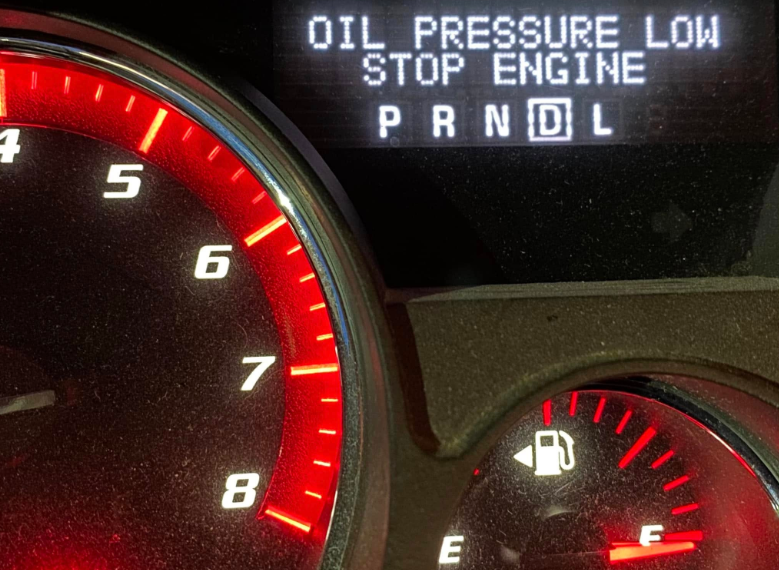
Oil pressure low stop engine means your engine isn’t getting enough oil pressure, which can cause damage. Check the oil level and see a mechanic if the issue continues.
One of the most warning lights that frequent computer diagnostics is that of low oil pressure. It usually signifies a more complicated problem with the vehicle’s oil lubrication system. It is important to understand the role of pressure in oil circulation. Oil lubricates the moving parts of the engine. If the engine runs without sufficient oil pressure, the moving parts may rub against one another, creating an excessive amount of friction, heat and wear and tear.
Such conditions can damage important parts of the engine, compromising it’s overall functionality. If, however, the oil pressure is extremely low, it will actually cause the engine to over heat, or may even cause the engine to lock up all together.
In the following guide, we will explain the steps you will need to diagnose the causes of low engine oil pressure, as well as the steps necessary to take in conjunction with the warning of low oil pressure. We will also explain the importance of oil changes and other forms of preventative maintenance to mitigate issues with low oil pressure in your vehicle.

Contents
What is Oil Pressure?
Oil Pressure indicates how forcefully oil is moving through the engine’s lubrication system (Oil pressures indirectly measure an oil pump’s output), an essential function for the engine’s operation. The oil pump moves oil through several channels (while the engine is designed to provide an oil pump with energy), about the moving components that need to be lubricated.
Oil pressure protects the components from excessive friction while aiding in the regulation of the engine’s temperature. If oil pressure is too low, for example, below the engine manufacturer’s standards, the engine could sustain severe damage.
An oil pressure warning light in the dashboard can help inform the driver when the oil pressure is too low. This warning can illuminate low oil levels or serious mechanical problems that include a defective oil pump or worn bearings.
Common Causes of Low Oil Pressure
Here’s how to analyze and tackle both the issue at hand and the irony behind the problem for future reference. Low oil pressure can trigger a stopping engine warning alert. There are many possible causes of low oil pressure and understanding them can aid in problem correction.
1. Insufficient Oil Level
If oil pressure is decreasing, the oil level may also be low. As oil levels continue to drop, the oil level may be around the minimum line, and cannot circulate oil at a level that produces adequate pressure. This can be caused by multiple factors:
- Oil leaks: Gaskets, seals, and engine components can dry, crack, and wear, and oil can drip through. This is why periodic engine inspections to identify leaks are recommended.
- Infrequent oil changes: If the oil is not changed frequently enough, it has degraded and lost its effectiveness to lubricate the engine, oil becomes thicker and darker.
- Overuse of oil: If the vehicle is high-performance or older, it may consume oil, lead to low oil, and may result in excessive oil.
- Wrong Oil: Oil that is not the correct viscosity or is not for that engine may break down quicker and lead to loss of oil and hence low pressure.
2. Faulty Oil Pump
An oil pump’s objective is to circulate engine oil throughout the car engine. An oil pump malfunction can cause the engine oil’s pressure to drop. This occurs due to an oil pump getting older in which it’s internal gears start to wear out, or the pump drives shaft is broken. If the pump does not work, then the oil circulation will cause an even further drop in pressure.
Oil pumps are very important car parts. If they are damaged, they could impact how well an engine performs. Oil pump replacement is often complex and expensive. That is why it’s important to deal with the issue quickly.
3. Worn Engine Bearings
When the engine bearings are worn, the engines oil pressure can drop. This happens due to moving parts having too much space between them allowing oil to bypass the system which oil pressure to drop. When engine bearings are worn, the engine can begin to make abnormal sounds. These sounds can be knocking, ticking, etc.
Rod and main engine bearings are essential for the operation of the engine, as they enable the crankshaft and pistons to spin freely. Oil pressure can drop if the bearings are damaged, and engine parts can rub against one another, leading to significant damage.
4. Oil Filter Blockage
The oil filter prevents the engine oil from becoming contaminated. With time, debris and dirt can become so dense that it limits oil flow, which can lead to oil pressure dropping too low. When an oil filter becomes clogged, it inhibits the circulation of oil and, in turn, the engine’s ability to be lubricated.
Changing the oil filter regularly can help to avoid headaches down the road. If the oil filter is clogged, oil can’t reach areas of the engine that are crucial for its operation. The overall health of the engine will decline as a result of inadequate oil circulation.
5. Oil Viscosity
The oil’s viscosity is its thickness. Too thick oil means that the oil won’t flow as easily, leading to low oil pressure. For oil pressure to not drop, the oil needs to be not to thin, which provides inadequate lubrication, and to not be too thick. Oil viscosity is also dependent on temperature. Thick oil during cold weather will circulate less easily, leading to low oil pressure.
It is important to use oil with the proper viscosity, as recommended for the engine, to ensure the engine works well. If the oil is too thick, it will be difficult for the oil pump to push it through the engine. If the oil is too thin, it will not lubricate the engine well enough.
6. Oil leaks
If there is an oil leak, this can result in an oil loss, therefore leading to a low oil pressure. You can lose oil in your oil line, oil filter, or your oil pan, and finding this leak can sometimes be quite tricky. You should check your vehicle for leaks if you see an oil puddle under your vehicle, or if you can smell burning oil.
The small oil leaks you see in your car can lose a lot of oil in a matter of time. Oil leaks should be addressed as soon as they are found to maintain the optimal oil levels and pressure, and of course to avoid further hassles.
7. Defective Oil Pressure Sensor or Sending Unit
The oil system may be functioning normally, and the issue may be with the sensor or the sending unit that is used to measure the oil pressure. If a sensor is defective, this may result in the oil pressure reading too low and can even turn on the low oil pressure stop engine warning light, even if the oil pressure is fine.
This situation is not difficult to fix, and is a low cost repair to change the sensor or the sending unit. You should make sure the issue is related to the sensor only, and not with components of the oil system before changing parts.
Symptoms of Low Oil Pressure
Are you having problems with your vehicle engine? Then look out for these signs that show you might have low oil pressure.
Oil Pressure Warning Light: The oil pressure warning light can mean a lot of things, however, it showing on the dashboard means that the oil pressure of the car is not at a safe enough level.
Noises Coming From The Engine: Engine oils can provide the necessary lubrication needed for the moving parts of the engine. In their absence, the parts will have insufficient lubrication which will lead to even more sounds like knocking, ticking, and grinding. If you hear any of these sounds, stop the engine right there and check the oil.
Overheating Of The Engine: The temperature of the engine is usually regulated by the oil. When it is low, it can lead to the engine itself overheating. Overheating can further lead to more damage like warping of the engine and it’s parts.
Smell Of Burning Oil: If the oil level is low, parts of the engine will overheat and as a consequence, oil will burn and that will create a burning smell which will come from the engine. This smell should never be ignored.
Decreased Engine Performance: When the engine oil pressure is low, the engine oil is unable to circulate throughout. As a result, insufficient power and performance may be noted with the engine. This includes rough idling and sluggish acceleration.
When the Engine Oil Pressure Warning Appears
The following steps should be carried out when the engine oil pressure warning light illuminates:
Stop Driving Immediately: Your engine may be in serious risk if you ignore low oil pressure. Therefore, find a place you can pull over and switch the engine off.
Evaluate the Oil Level: Once you have switched off the car engine, you have to be patient for the engine to cool down. Use the dipstick to determine how much oil is in the engine. If the oil is less than the recommended level, you should add more oil. To do this, it is important to refer to the manufacturer’s oil specifications.
Leak Inspection: Apart from oil level evaluation, you may need to examine the car bottom for possible oil leak signs. If you detected oil leak, you have to fix it to prevent more oil lost as a result of this leaks.
Check the Oil Pressure Sensor: If the oil is at an adequate level and there are no signs of an oil leak, the problem may be an oil pressure sensor. The sensor may need to be checked to see if it is operating correctly. Sometimes this sensor may malfunction, and the pressure may be adequate, yet the oil pressure light stop engine warning may still be activated.
Professional Check: If there are still no signs of oil pouring out of the engine after filling the oil to the proper level, it is time to consult a professional. A professional will perform an oil pressure system check and examine all components of the oil pressure system, such as the oil pressure pump, oil pressure filter, oil pressure bearing, and oil pressure sensor, to avoid costly repairs, engine replacement, or additional damage to the vehicle. Failing to identify the problem and taking the necessary precautions will add more and more costs to the vehicle and decrease the engine performance.
Ways to Avoid Low Oil Pressure
There are techniques to stop low oil engine oil pressure and to keep the engine working at its best and for the longest time. Here are a few to keep oil pressure at the best levels:
Oil Changes: The best way to be sure oil pressure issues won’t occur is to stay on track for regular oil changes. Engine oil breaks down over time and does a poorer and poorer job lubricating the engine. When you have the oil changed regularly, you help the engine oil keep its ability over pressure adequacy. Always stick with what the oil change time period to the engine type specifies.
Oil Level: A car won’t remain working at its best until oil levels are at their best. Low levels will mean pressure issues will occur, and in part, will raise the oil consumption rate. At worst oil is consumed so checking regularly is a great practice, but always adopt a policy of at least check the engine oil level at least once before a long trip to keep pressure issues at bay.
Check for leaks: Even the tiniest oil leaks can become major problems over time. That’s why checking for leaks is an important factor in proper vehicular maintenance. Check for wet marks under the engine. Inspect the seals and gaskets for cracks and wear. If there is a leak, take care of the problem without delay to prevent damage to the engine, and avoid the possibility of oil leaks.
Change the oil filter when necessary: An oil filter that is dirty or clogged can prevent oil from flowing, resulting in a drop in oil pressure. For proper circulation of oil, oil filters must be changed at regular intervals. Quality filters that meet the manufacturer’s required specifications should be used.
Choose the best oil for the engine: Selecting the proper oil for the engine is essential. Each engine requires a specific oil viscosity to maintain engine efficiency, lubrication, and oil pressure. Failing to use the right oil can lead to poor engine performance and low oil pressure. The vehicle’s manual should always be consulted to determine oil viscosity and quality.
Monitor your Engine Systems: Make sure that your oil pump, pressure sensors, and engine bearings are all functioning. Engine issues can develop and become complicated, so try to monitor and troubleshoot any of these engine systems often. Unusual noises or engine lights are also a form of engine warning.
How to Fix Low Oil Pressure: DIY vs Professional Repairs
There are at home solutions to fix oil pressure problems, but there are some instances when a professional will need to step in. Let’s differentiate DIY repairs from mechanic repairs.
How to Fix Low Oil Pressure Easily
If something simple is at hand, like oil levels that are too low, a filter that is clogged, or maybe leaks, you may be able to handle it. Here’s what you can do:
- Top up oil: Low oil levels can be raised temporarily by topping it up with the correct type of oil.
- Change oil filter: Oil filter replacements are simple, and can restore balance to the oil stream.
- Look for leaks: Look for oil leaks around the engine, particularly at your seals and gaskets. Leaks can be sealed, but you may need to replace the part.
When to Seek Professional Help
Professional support is needed if the issue with oil pressure is due to a defective oil pump, worn engine bearings, or a faulty oil pressure sensor. These are more intricate matters, requiring additional knowledge and different tools. An oil pressure specialist uses a series of diagnostic assessments to determine the cause of the issue, and based on what is needed, each of the following repairs might be recommended and performed:
- Oil pump replacement: A faulty pump will need to be replaced to ensure proper circulation of oil.
- Engine bearing repair: Should the bearings be worn, the repair will be far more difficult than simply replacing them. It will likely require the engine to be disassembled.
- Sensor replacement: A faulted oil pressure sensor will require replacement to prevent it from providing erroneous and misleading pressure readings.
Related Article
Overfilling Engine Oil
Does Engine Oil Expire?
How to Dispose of Engine Oil
Frequently Asked Questions
Here are some FAQs about engine low oil pressure –
- What causes low oil pressure?
Low oil levels, a faulty oil pump, clogged oil filters, worn engine bearings, or leaks in the oil system are some of the reasons that low oil pressure occurs.
- Can low oil pressure cause engine failure?
Definitely. If low oil pressure is not fixed, it can lead to overheating, increased wear on engine components, and even complete engine failure.
- How do I fix low oil pressure?
This can be done by checking the oil level and looking for leaks. If the oil pump, bearings or sensor have to be fixed, a mechanic must be consulted. In addition, the oil filter must be changed.
- How can I prevent low oil pressure in the future?
You can prevent low oil pressure by changing the oil regularly, using the right oil, checking the oil level, and repairing leaks without delay.
- How long can I drive with low oil pressure?
Severe engine damage can occur while you are driving with low oil pressure. It’s best to stop driving and find a solution to the problem.
Conclusion
The oil pressure low stop engine warning is a critical issue and should be dealt with urgency. Continuing to drive with low engine oil pressure can lead to overheating, unnecessary wear and tear of engine components, and in extreme cases, the engine can become inoperable. Taking immediate action, such as having the oil levels and engine components checked, and the mechanic inspecting and addressing the engine can prevent irreversible engine damage.
Keeping oil pressure at optimal levels can be achieved with timely oil changes, using the right oil, and keeping the oil pumps and filters in working order. When maintenance is done on time, you ensure that your vehicle is running smoothly and reliably for several years.


