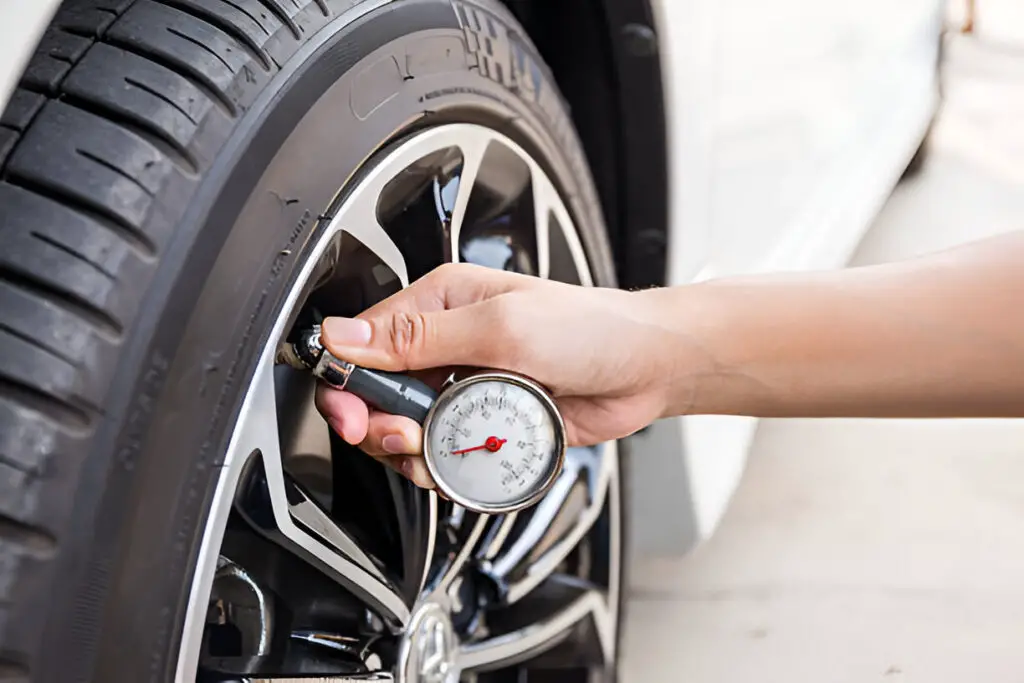
Tire Pressure Increases as the Tires Get Hot: A Detailed Guide
Tire pressure increases as tires heat up because the air inside expands with rising temperature. For every 10°F increase, pressure […]
Please follow and like us:


Tire pressure increases as tires heat up because the air inside expands with rising temperature. For every 10°F increase, pressure […]
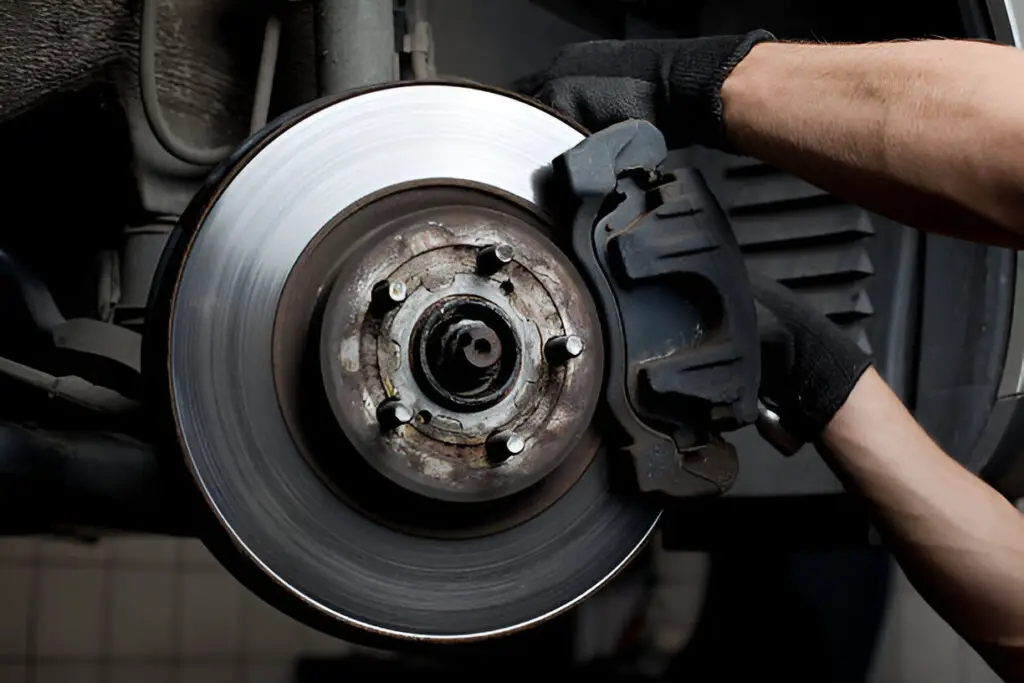
After replacing brake pads, some noise is normal during the initial break-in period as the new pads adjust to the
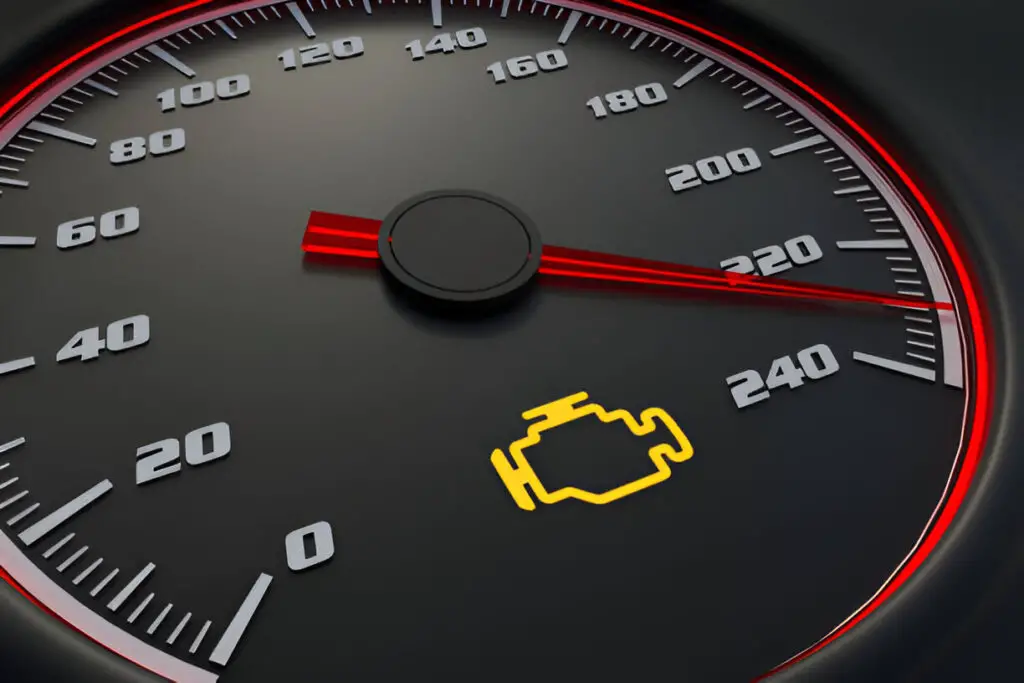
The check engine light can clear itself if the issue is minor, such as a loose gas cap or a
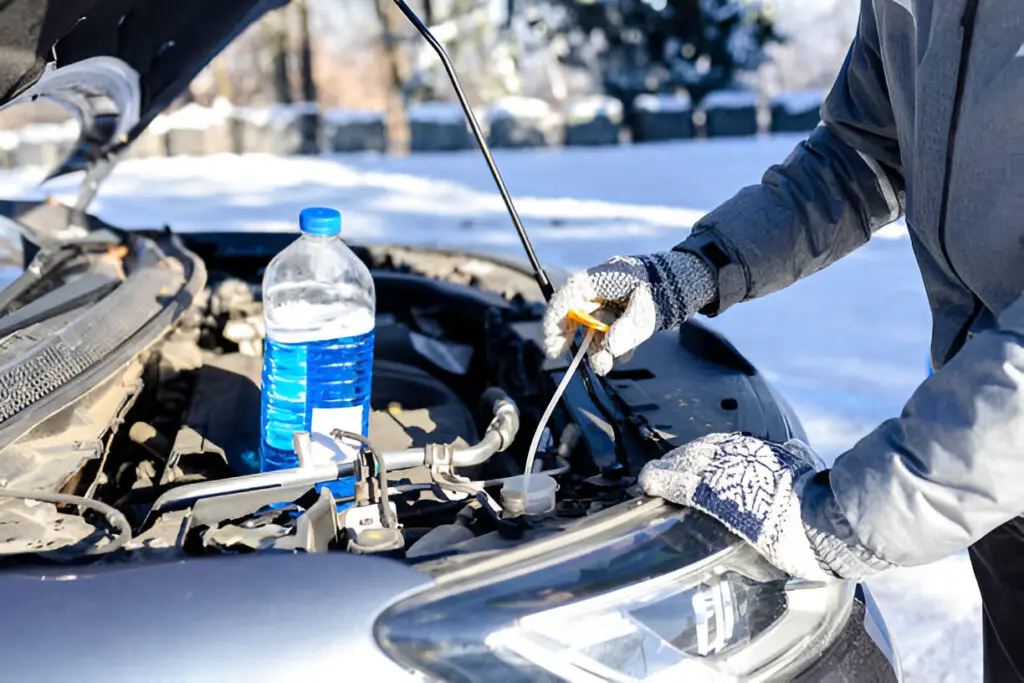
Windshield washer fluid can be mildly corrosive due to chemicals like methanol or ethanol, especially in higher concentrations. However, most
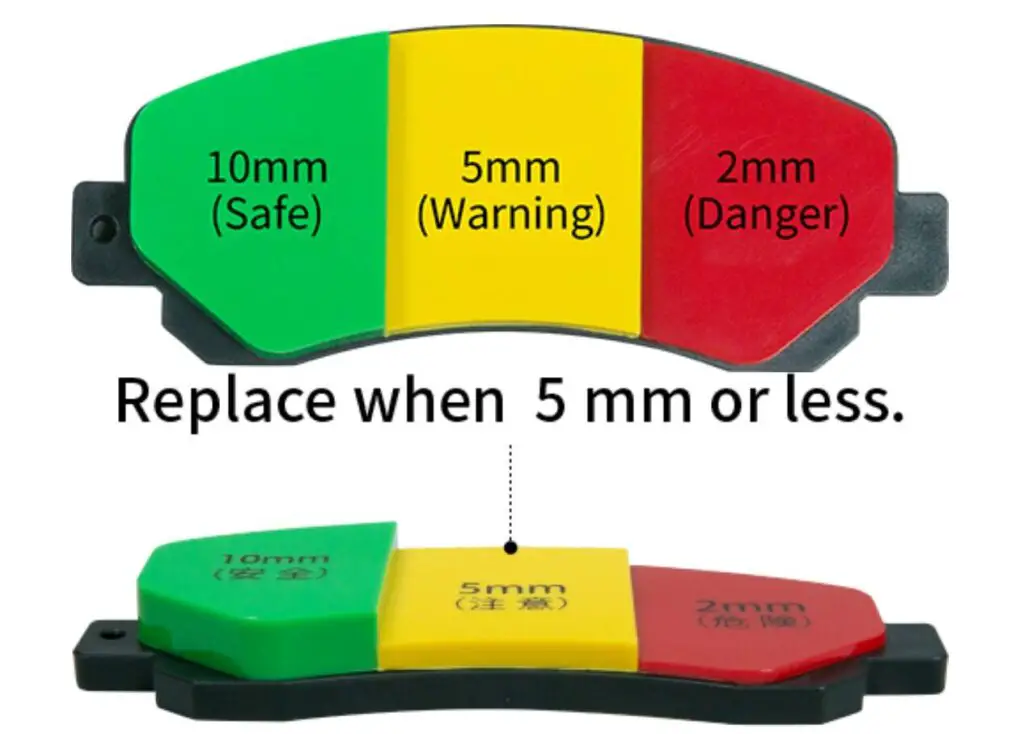
Brake pads should be replaced when they wear down to 3 mm. New pads are typically 10-12 mm thick, and
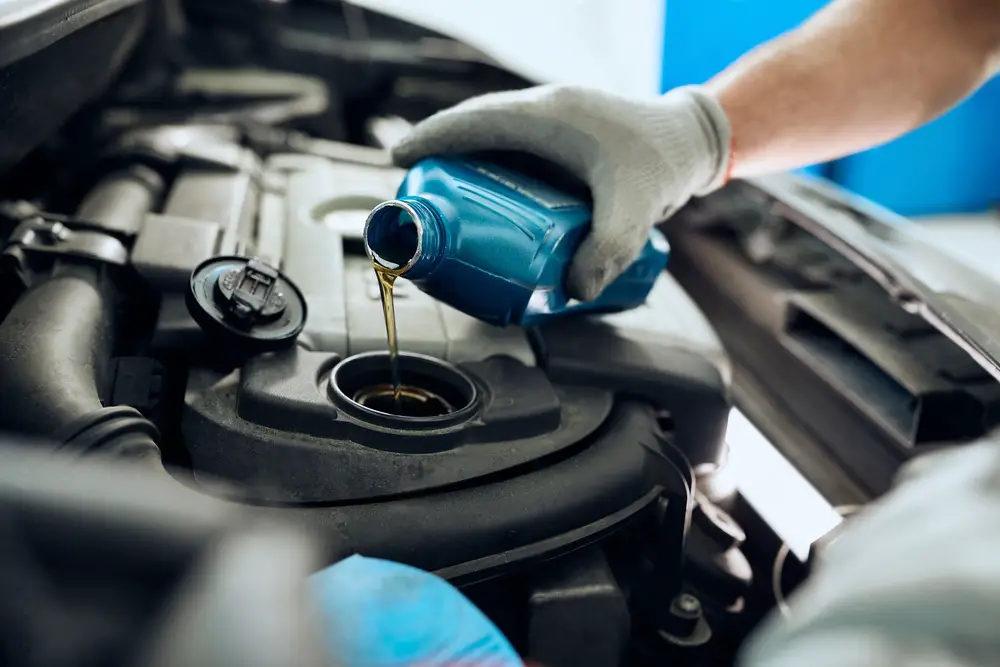
Choosing the right engine oil for your car depends on factors such as the vehicle manufacturer’s recommendations, driving conditions, and
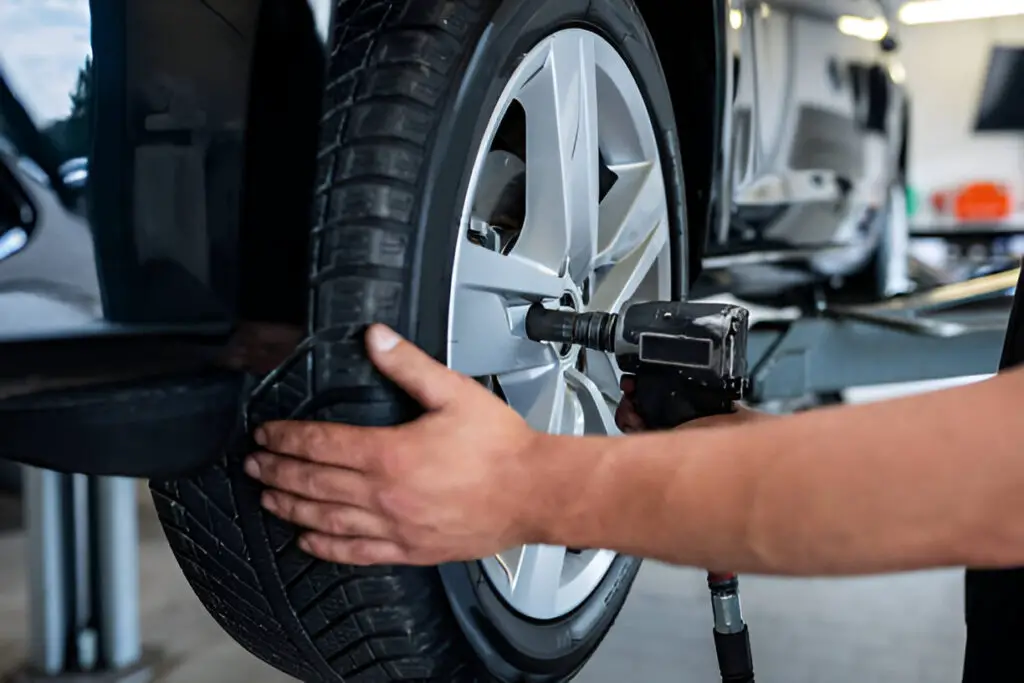
Tires should generally be rotated every 5,000 to 7,500 miles to ensure even wear and extend their lifespan. This interval

Brake checking is when a driver suddenly brakes to force a tailgating vehicle to slow down. It’s dangerous, often causing
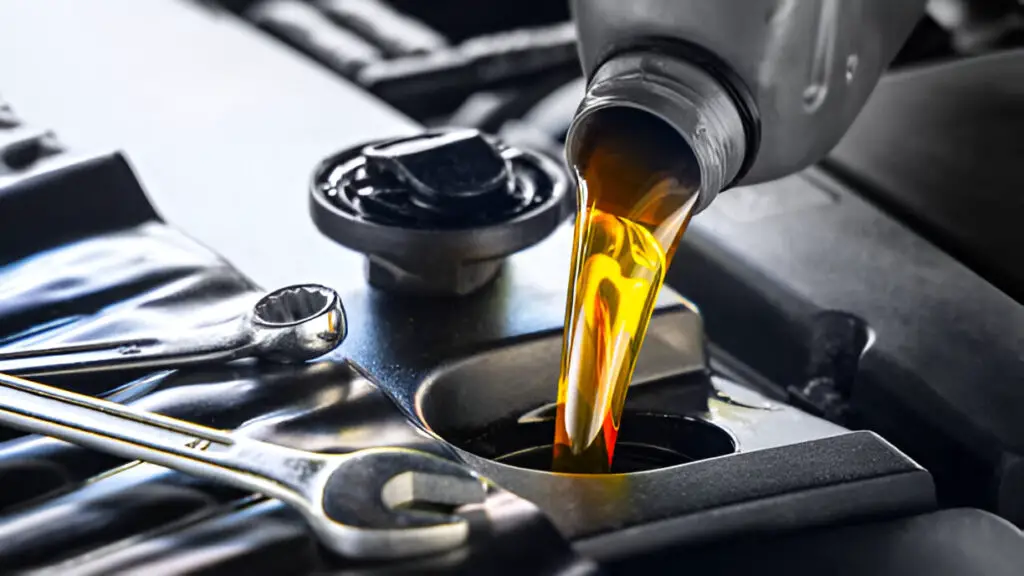
Yes, engine oil is combustible, but it is not considered highly flammable like gasoline. It requires a significant amount of