


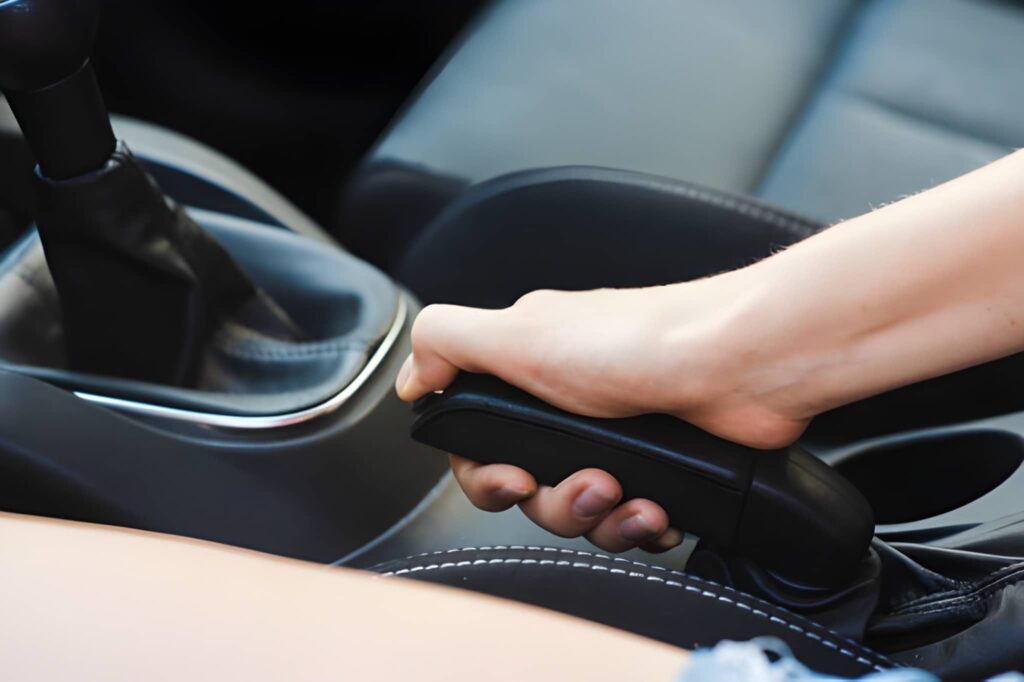
Parking brake not holding can be caused by several issues, such as worn-out cables, damaged brake shoes or pads, rust and corrosion, or improper adjustment. To fix this, inspect the cables, brake components, and fluid levels, and replace any damaged parts to restore the effectiveness of your parking brake.
Braking systems help keep your car and the cars around you safe while operating on the road. Emergency brakes, or hand brakes, help ensure that your car does not roll back while parked. If the brake does not hold, this can be a dangerous situation that creates multiple problems. Understanding the problems with hand brakes, and how they can fail, could help reduce the risks and problems with not having a hand brake that works.
In this guide, we will help you understand the problems that can cause the parking brake not to hold, show you how to troubleshoot and diagnose these issues, and guide you through potential solutions.

Contents
What are Hand Brakes and How Do They Work?
Before we start discussing issues that cause hand brakes to seemingly fail, it is important to first outline the basic functionality of hand brakes.
The purpose of the parking brake is being able to keep the vehicle still when it is parked. It is a secondary system that is separate from the main system. It is called an emergency brake sometimes, but the real purpose is to serve as a parking brake. The main brake system functions and relies on hydraulic fluid to engage the brake pads, but the parking brake is fully mechanical and does not utilize the same system. As a result, parking brakes can work even when the hydraulic systems are failing.
There are multiple ways of engaging the parking brake, such as an electronic switch, a hand lever, or a foot pedal. The older cars have systems with actual cables that connect the lever to the brake drums of the rear wheels. While pulling the lever, the cables are tightened to engage the brake shoes, and they press against the brake drum or rotor.
Today’s automotive vehicles with disk brakes may incorporate another set of brake pads into the system, which is referred to as “parking brake shoes.” These shoes press inside the brake rotor. In the case of an electronic parking brake, the system utilizes an electric motor to perform the action.
What Could Cause a Parking Brake to Fail to Hold?
We’ve seen the purpose of a parking brake. Here’s a list of parking brake reasons that can stop your car from staying in position.
1. Worn-Out Parking Brake Cables
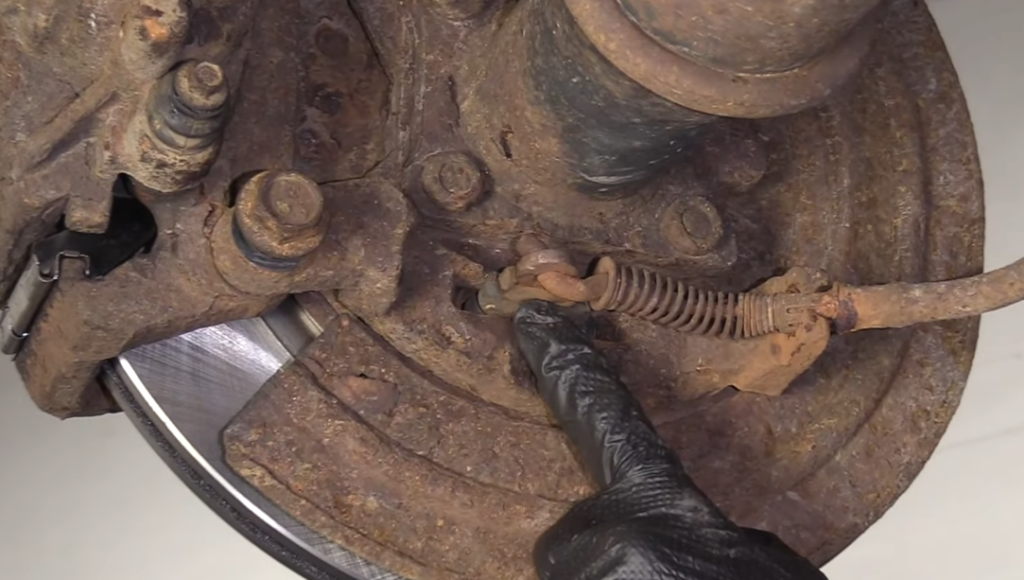
A parking cable is an integral part of a car’s parking brake system. These cables carry the force that is generated when you activate the brake lever. These cables can stretch, break, or snap due to use and outside factors like rust. When rust gets inside the cable housing, the cable fails to create enough force to stop the car.
Symptoms of Cable Wear:
- Parking brake lever or pedal can be pulled or pressed too far: If there is too much slack in the cables, you may be able to pull or press the brake lever or pedal much farther than usual. That is a symptom that the cables may be stretched.
- More effort needed to activate the parking brake: If engaging the brake is more difficult than usual, it could be a sign that the cables are damaged.
- Car rolls with parking brake engaged: If you have to take the park brake off and the car is still rolling, it means the cables have lost their ability to keep the car in place.
How to Fix It:
Replacing the parking brake cables is a simple fix, but it might involve removing some of the car’s wheels to get to the cables. It might differ in the process based on the model of the car, but most brake systems should be left to the professionals.
2. Worn Out or Damaged Brake Pads or Shoes
The brake pads or shoes are the ones that contact the brake drum and/or rotor when the park brake is on, and if there is no contact it is usually a sign that they are worn out or damaged. This is a more prevalent problem in older cars and ones that have been driven often in the hills.
Signs of Damaged Brake Pads or Worn Brake Shoes:
- A softer parking brake lever or pedal: The parking brake may feel softer than usual due to the brake shoes or pads wearing down.
- Noises: Squealing or grinding sounds when the parking brake is engaged can mean the brake shoes are damaged.
- Vehicle rolls with the parking brake engaged: If the vehicle rolls with the parking brake engaged, this shows the brake pads or shoes are not grabbing the brake drum or rotor.
What To Do:
The problem may be resolved by replacing the damaged brake pads, and shoes, as well as inspecting the drum and disc brakes of the vehicle. If the vehicle has drum brakes, the brake shoes will have to be changed, and if it has disc brakes, the parking brake shoes or the inner rotor shoes may have to be replaced. A professional should be the one to inspect the braking components and replace the parts if need be.
3. Rust and Corrosion
When it comes to the parking brake, rust, and corrosion can be major issues, especially if you live in a place with moisture and road salt in the winter. Rust can build up on the cables, and brake shoes or pads, as well as the brake drums or rotors. This may cause these rusted components to seize or become ineffective. Rust will hinder the parking brake from fully engaging and may cause a complete failure of the system.
Signs of Rust and Corrosion:
- Stiff or difficult-to-move parking brake lever/pedal: It may be difficult to pull or press the parking brake lever or pedal. This might be due to rust or corrosion on the cables or other components of the brake system.
- Visible rust on the brake components: If you can see cables and other parts of the brake system that are rusty, corrosion is probably present.
- The car moves or rolls when the brake is applied: Rust may cause the parking brake to completely fail. This may be due to the components of the brake system seizing.
How to Solve It:
When it comes to issues related to rust, affected parts will need cleaning or, in some cases, replacement. If corroded, the brake shoes or pads may need replacement, while cables may need lubrication or replacement. In severe cases, replacement of the whole parking brake assembly may be required.
4. Improper Adjustment of the Parking Brake
Since components wear down, the parking brake may become misadjusted. Many parking brake systems adjust while they wear to maintain proper tension and effectiveness. If the brake is too loose or too tight, it may not engage or hold properly.
Signs of Improper Adjustment:
- Too much play in the parking brake lever/pedal: If the lever or pedal moves a great deal before engaging, it could be a sign that the parking brake is too loose.
- The car rolls slowly even when the parking brake is applied: This suggests the brake is not fully engaging, and that may be due to being too loose.
- The brake doesn’t hold at all: If overly tighten the parking brake or misadjusted, it may not apply enough force to keep the car from moving.
How to Fix It:
Adjusting the parking brake is often a simple task. Most systems have an adjustment screw or nut that can be tightened ort loosened to ensure the brake is applied with the correct tension. For proper adjustment procedures, consult your vehicle’s manual.
5. Leaking Hydraulic Fluid (For Some Systems)
Some vehicles, especially those with integrated hydraulic parking brakes, can experience a loss of hydraulic fluid which can result in a malfunction of the parking brake. If the hydraulic lines are leaking or they are low on fluid, the brake may not be able to fully engage.
Signs of Hydraulic Fluid Leaks:
- Fluid spots or puddles under the car: If fluid is leaking underneath your vehicle, there is a clear indication that there is a problem with the hydraulic system.
- Soft or low brake pedal: The parking brake may become soft or spongy when not enough hydraulic fluid is present.
- Difficulty engaging the parking brake: If you find it hard to engage the parking brake, hydraulic system malfunction due to a fluid leak could be the problem.
How to Fix It:
For hydraulic brake systems to function properly, they need fluid. If there is a leak, it is crucial to find and fix it. This often means replacing the damaged hydraulic lines and refilling the brake fluid. The master cylinder may also need to be replaced if the leak is coming from there.
6. Broken or Damaged Parking Brake Lever or Pedal
The parking brake lever or pedal itself may be broken. If the lever or pedal has mechanical failure, the brake may not engage. There may be broken springs, bad cables, or the lever may not be properly attached to the brake system.
Signs of Broken or Damaged Lever/Pedal:
- Loose parking brake lever/pedal: If the lever or pedal is loose, it may be because one of the components that make up the assembly has broken.
- Hard to pull or let go of the parking brake: If there is difficulty moving that parking brake lever/pedal, then there is an issue in one of the mechanical components of the assembly.
- The brake stays engaged: A leaver or pedal assembly may be broken or worn out if the parking brake disengages.
How to fix it:
In order to repair or replace the parking brake lever or pedal, you will have to break the assembly apart in order to access the components. If the issue is with one of the springs or the cable, then that will be an easy fix. If the lever or pedal is broken, then it may be that the entire assembly needs to be replaced.

Diagnosing a Faulty Parking Brake
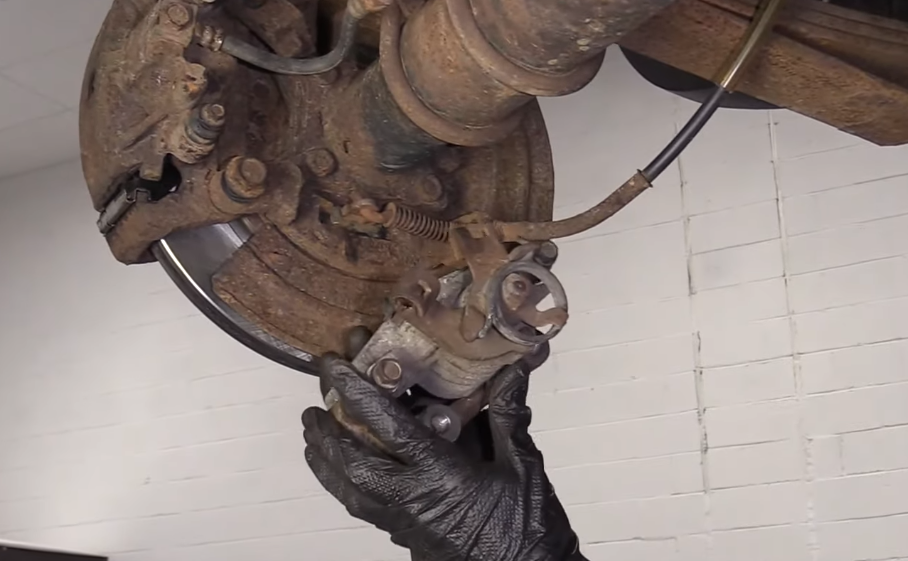
In diagnosing a faulty parking brake, a methodical, step-by-step approach is best. In what follows, the steps that help pinpoint a parking brake problem will be outlined.
Step 1: Evaluate the Condition of the Brake Cables: Beginning with damage evaluation of the parking brake cables is best, as a cable could be frayed or damaged, which could lead to a parking brake failure.
Step 2: Look at the Condition of the Brake Shoes or Brake Pads: A parking brake’s underlying system will consist of brake shoes or pads that can be damaged or worn down, leading to brake failure.
Step 3: Evaluate the Parking Brake System for Corrosion or Rust: If there is sufficient rust that impacts the moving parts of a parking brake system, the parts should be replaced. In the meantime, use a rust sponge to clean the surfaces and add some lubricant to the moving parts.
Step 4: Adjust the Parking Brake: Acting in a tight or loose manner can necessitate the adjustment of a parking brake. The procedure for such an adjustment is outlined in the owner’s manual.
Step 5: Check for Fluid Leaks: If your vehicle has a hydraulic parking brake system, examine the brake lines and master cylinder for any fluid leaks. If there are any, they must be fixed and brake fluid needs to be topped off.
Step 6: Testing the parking brake mechanism: Engage the parking brake and test it to see if the vehicle still moves. If it does, or if it is hard to pull the brake lever, there may be a problem with the lever or pedal assembly.
Frequently Asked Questions
Here are some FAQs about parking brake not holding –
1: What should I do if the parking brake isn’t holding?
First, look for damage in the brake system, especially in the cables, shoes, and hydraulic parts.
2: How can I tell if my parking brake cables are bad?
Bad parking brake cables are indicated by a loose brake lever, trouble engaging the brake, or if the vehicle continues to roll with the brake on.
3: Can I drive with a parking brake that doesn’t hold?
Driving with a parking brake that doesn’t hold isn’t safe. If you park your car on an incline, or a busy street, your car could roll away and create a danger to you and other drivers.
4: Can I fix my parking brake myself?
Yes, in many cases, you can fix a parking brake yourself. Things like worn brake shoes, cables, or even some system adjustments may need to be corrected. However, some problems do need a professional, such as hydraulic leaks.
5: How can I prevent parking brake issues in the future?
You can prevent parking brake problems by regularly monitoring your parking brake system, checking for rust and other signs of wear. If you notice parts that look like they need some grease, go ahead and lubricate them. You can also adjust the brake to help prevent problems in the future.
Conclusion
A parking brake that won’t hold can cause serious safety issues. The first step to solving the problem is determining why the parking brake is faulty. The problem may be related to one or more things: cables, brake shoes, rust, or hydraulic fluid. Solving the problem will make the parking brake function safely again.
The steps above should help you repair the problem. If your repairs are too complicated, don’t be afraid to get help from a mechanic. Systems are designed to fail, so you will need to repair your parking brake regularly to keep it working the way you need.


