Parking brake vs emergency brake: The parking brake keeps a car stationary when parked, while the emergency brake is used to stop the vehicle if the main brakes fail.
One of the more confusing topics in the world of car maintenance and safety is the parking brake vs emergency brake. Some assume that there’s no difference; for others, figuring out when and how to use each one is a mystery. In reality, these terms describe a single system that performs two different functions, one of which is for parking, and the other is for emergencies.
The parking brake is a device that is constructed to keep your car stationary when it is parked to prevent it from rolling away, especially on hills. In contrast, the emergency brake is supposed to act as a secondary system if the primary hydraulic braking system in your car goes into a failure state while you’re driving. While their functions are related, the use cases and applications for each are different.
In this blog, we explore the parking brake vs emergency brake problem by explaining how these systems work and how they differ, and discussing when each one should be used.
Contents
What Is A Parking Brake?
A parking brake is a part of a car’s braking system that works separately from the main braking system. It is often called a handbrake, emergency brake, or e-brake, and is designed to keep a car in a parked position. In most vehicles, parking brakes keep the back wheels from rolling.
How Parking Brakes Function
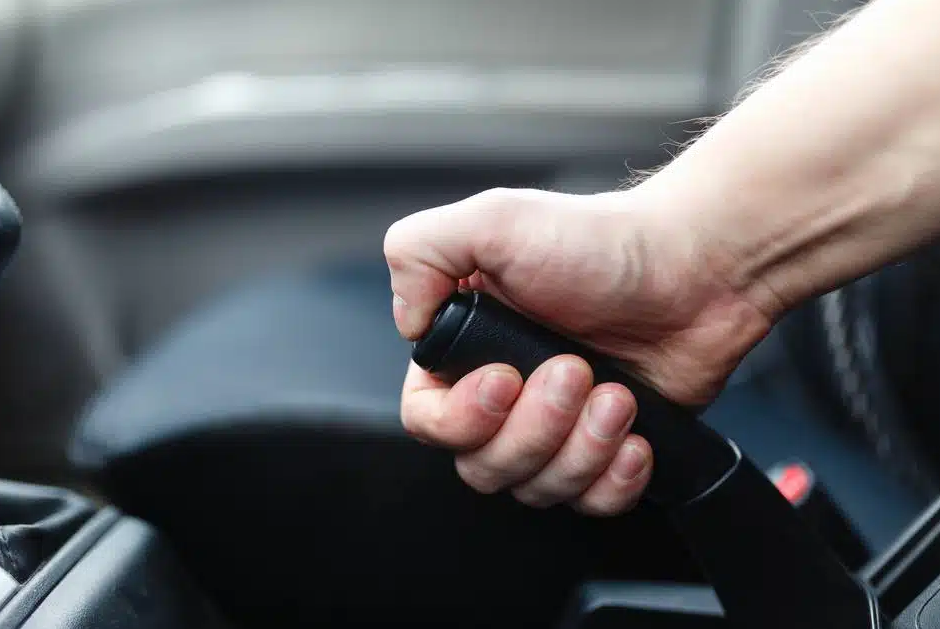
A parking brake works by a mechanical system or electronically. In older cars, parking brakes tended to use a lever that the driver pulled to engage the parking brake. It’s usually located between the driver and passenger seats or it’s a foot pedal on the left side of the driver. There are cables that are connected to the rear brakes and those brakes are activated when the lever is pulled.
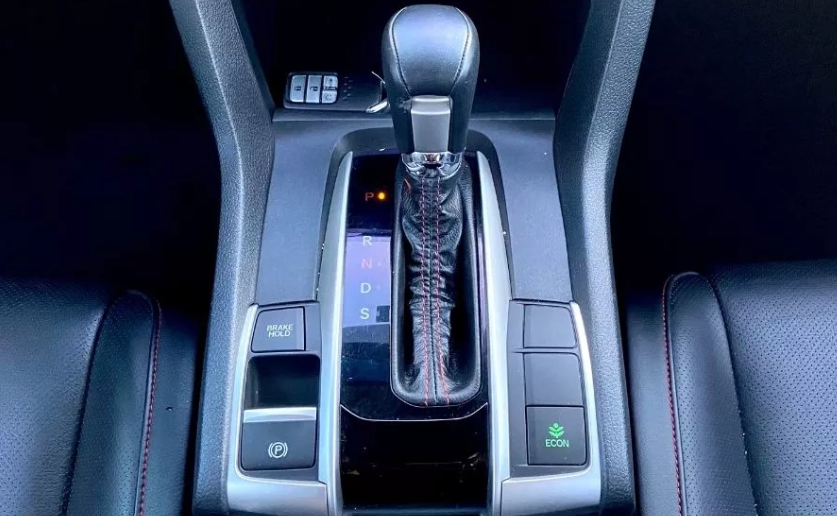
In more recent cars, parking brakes are usually electronic and are engaged by pressing a button. They are called electronic parking brakes (EPBs) instead of handbrakes, and use a system of motors and magnets to engage the parking brake. While the system is more reliable and convenient, it still has the same goal of keeping the car from rolling when parked.
Types of Parking Brakes
Parking brakes serve the same purpose of ensuring a parked car does not roll but are designed slightly differently within various car models. Knowing the options can help you identify the complexities of your car and ensure everything works smoothly.
Manual Parking Brake: Most commonly recognized from older models of vehicles, a manual parking brake is a lever installed vertically between the front two seats and is responsible for a cable pulling the rear brakes.
Foot Pedal Parking Brake: In older models and more compact car models, if you look slightly to the left of the driver seat, you may see a break control foot pedal. That foot pedal is responsible for pulling a cable, or via a hydraulic system, to activate the rear brakes.
Electronic Parking Brake (EPB): In more modern vehicles, an electronic parking brake may be installed. Rather than pulling a cable or pressing a foot pedal, there is a switch or button that electronically activates the brake.
Push-Button or Automatic Parking Brake: In more modern car models, you may notice that the parking brake is fully automatic, meaning there is no manual engagement or disengagement of the parking brake. This system is often accompanied by a feature called Auto Hold, which keeps the car stopped temporarily, even if on a hill, without manual engagement of the parking brake by the driver.
Why It Matters
When you park on an incline, using the parking brake is necessary for keeping your vehicle parked. Also, not using the parking brake can damage your transmission over time. In addition, using the parking brake can keep your vehicle from rolling, particularly on uneven ground.
What Is an Emergency Brake?
People often use the parking brake interchangeably with the term emergency brake. In reality, though, the two serve different purposes. The emergency brake and parking brake are the same mechanism, but the emergency brake is used when the primary braking system fails.
How It Works
When you want to stop or slow down your vehicle in the event of brake failure, you can use the emergency brake. It is able to quickly engage the braking mechanism to provide backup, emergency brake, and is used when the primary hydraulic brake system fails.
The emergency brake is designed to function independently of the foot brake, and is usually a mechanical system and electronic system. Because the emergency brake is designed to operate independently from the hydraulic braking system, when that system fails, the emergency brake will still function.
When to Use the Emergency Brake
When the main braking system fails, that’s when the emergency brake comes into play. This can include hydraulic issues, leaking brake fluid, or completely worn out brake pads. The emergency brake comes into play as a secondary system so you can attempt to slow the vehicle down.
Using the emergency brake function is completely different than parking with it. The main parking brake is used when the vehicle is not moving. The emergency brake is used when the vehicle is in motion, regardless of the situation.
Key Features of Emergency Brake Usage
The emergency brake is the only secondary system that helps you slow down and avoid a collision. Knowing how to slow down in the vehicle with the system can save you and your passengers in dangerous situations.
Slows Down or Stops the Vehicle: The emergency brake is a system designed to slow down or completely stop a vehicle when the foot-brake fails.
Handle With Care: How to use the emergency brake is different from how we use the regular brake. Using the emergency brake suddenly or too harshly can result in the wheels locking. This is dangerous as it can result in loss of vehicle control.
Not Connected to the Main Brakes: The emergency brake is independent from the primary brake system. Therefore, it can still work in the event of a foot brake failure.
Parking Brake vs Emergency Brake: A Comparison
While the parking brake and the emergency brake are essentially the same system, their purposes and usage are different. Below is a comparison table that highlights their distinct functions.
| Feature | Parking Brake | Emergency Brake |
|---|---|---|
| Primary Purpose | Keep the car stationary when parked | Slow down or stop the car if the primary brakes fail |
| Activation Method | Lever, pedal, or button | Lever, pedal, or button |
| Typical Use | Parking on flat ground or incline | Only in emergencies (brake failure) |
| Usage Frequency | Regular use (every time the car is parked) | Rarely used, only in case of brake failure |
| Braking Force | Applies force to rear wheels (or rear drum brake) | Same as parking brake, but used during motion |
How to Use Parking/Emergency Brake
Knowing when and how to use both the parking brake and the emergency brake is critical to ensuring your safety on the road.
How to Use the Parking Brake
Whenever you park your car, remember to use the parking brake. It is always an important step to avoid any car roll, whether on flat, inclined, or declined parking grounds.
- Always engage the parking brake after parking your car. Whether you are parking on flat ground or an incline, the parking brake is necessary to keep the car from rolling.
- Ensure the car is completely stationary before applying the parking brake.
- For manual transmission cars, always leave the car in gear when parked. For automatic cars, leave the transmission in “Park” mode, and engage the parking brake as an added layer of safety.
- If your car has an electronic parking brake, engage it by pressing the button or switch after the car has come to a complete stop.
How To Use The Emergency Brake
Vehicle has two braking systems for safe stopping – your foot brake and your emergency brake. The emergency brake is less effective so in case you need it on an emergency situation, follow these steps which apply if your primary braking system has completely failed.
- Stay calm and avoid panic. Try to gently steer your vehicle to the side of the road if possible.
- Gradually pull the emergency brake to apply braking force. Don’t pull it too hard or too quickly, as this can cause the car’s wheels to lock.
- Try to slow down gradually using the emergency brake and steer toward a safe area.
- Use the emergency brake as a last resort. It should only be used if the regular brakes fail, not in regular driving conditions.
Common Misconceptions
People have all sorts of myths and misunderstandings related to the use of the hand brake. Here are two of the most common.
- Myth 1: They Are Completely Different Systems- Not True. They are simply two brakes on the same system, used for different purposes.
- Myth 2: The Emergency Brake Should Be Used Instead of the Foot Brake – This is also false. The hand brake is for emergencies only. When you are driving normally, always use the foot brakes.
- Myth #3: Parking Brakes Are Only for Parking on Hills – Incorrect! You should always employ your parking brake every time you park, even on flat ground.
Why It Matters: Safety and Maintenance
Regular use and proper upkeep of your parking brake vs emergency brake system can save you money on repairs and keep you safe. Here’s why:
Prevents Brake Failures: Consistent use of the emergency parking brake system keeps the cable or electronic components in working order.
Protects the Transmission: Engaging the parking brake keeps the parking pawl of the transmission from wearing out.
Reduces Strain on Hydraulic Brakes: Engaging the parking brake system relieves some of the strain on the hydraulic brake system, helping it to last longer.
Ensures Effective Emergency Use: Consistently disengaging the emergency brake system keeps it functional for when it becomes necessary.
Beginner Tips
New and old drivers alike can benefit from some of the simpler information surrounding the parking and emergency brakes. Use these tips to help keep your brake system and your vehicle functioning in both parking and emergency situations.
Test Your Parking Brake Regularly: Make testing the parking brake a part of your routine. Through regular testing, you will familiarize yourself with it, and you will know it will work properly when you need it.
Don’t Drive with the Parking Brake On: Although you may forget you have it on, it can lead to severe and expensive problems due to being worn, overheating, and braking dysfunction.
Know the Difference Between Parking and Emergency Brake: Knowing the intended mechanism of each will help you avoid problems.
Maintain Your Brake System: The most commonly used maintenance for the brake system is dielectric grease.
Frequently Asked Question
Here are some FAQs about the parking brake vs emergency brake –
1. Parking Brakes and Emergency Brakes are the same system?
Yes. They are the same mechanism; however, the terminology is different based on use context (parking vs. emergency).
2. Should the Parking Brake be used every time I park?
Yes. It is a good practice to engage the parking brake every time to ensure that your car does not roll away.
3. Does the Emergency Brake stops the car if the Foot Brake fails?
Yes. The emergency brake can always be used to slow down the car, but the emergency brake is a lot more jerky, and should be used with caution.
4. What happens if I drive with the parking brake engaged?
Driving with the parking brake on is unsafe and can cause overheating damage to the car and can cause internal damage. In short, always release the parking brake before you drive.
5. Do electronic parking brakes work differently?
No, Electronic Parking Brakes work the same but with buttons, motors, and drive systems.
Conclusion
For drivers of all kinds, it is important to know the difference between a parking brake and an emergency brake. Regularly using and properly maintaining these mechanisms will help prevent your vehicle from malfunctions and help keep it in good condition to meet your maintenance needs.
With the key differences and use guidelines in your head, you will keep your vehicle safe when it is in motion and when it is parked. By using it the right way, you will help it improve emergency preparedness while shortening maintenance.