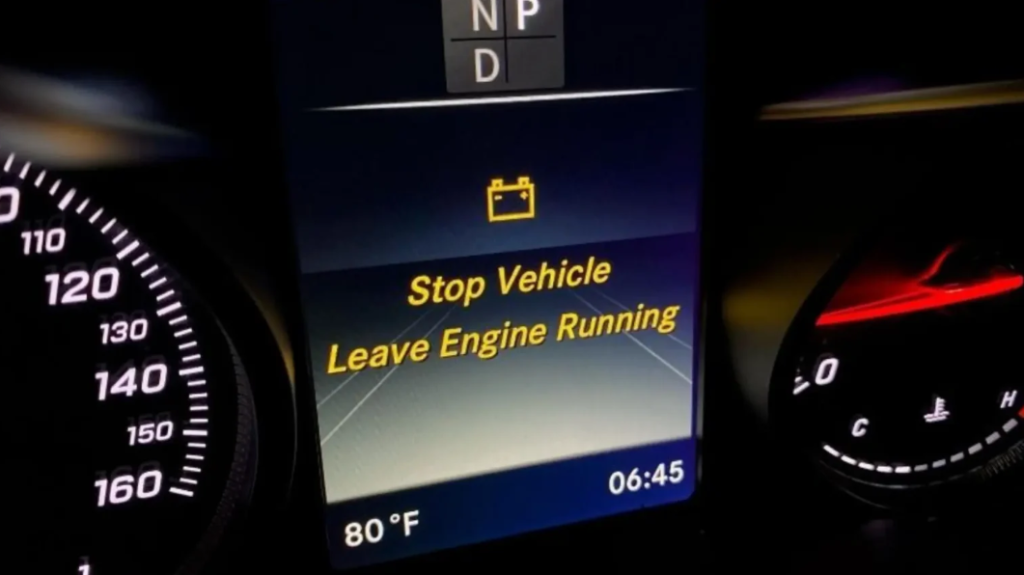
Stop vehicle, leave engine running can be useful for short stops, but it wastes fuel and harms the engine over time. It’s better to turn off the engine during long stops to save resources and reduce wear.
The phrase “stop vehicle, leave engine running” is often discussed in relation to vehicle idling. To understand its economic and environmental impacts, we need to explore engine idling during stops. While leaving the engine running may seem convenient, it can waste fuel, cause engine wear, and increase pollution. The key is knowing when to turn off the engine and when keeping it running is beneficial. Let’s analyze this practice in more detail.
Contents
When Should You Keep the Engine Running?
While it may not always be the best idea, there are some cases where the comfort, practicality, and benefit of keeping the engine running are clear.
1. Running the Air Conditioning/Heating Unit
An engine left running often serves the purpose of maintaining the vehicle’s air conditioning/heating unit. During the summer, air conditioning may serve to improve comfort in the vehicle. During the winter months, the heating unit may need to be running for one’s continued comfort. The operation of an air conditioning/heating unit is not possible once the engine is turned off, thus leading to an increased difficulty in maintaining comfort.
This is especially true in the winter months when there may be a drop in ambient temperature inside the car. Waiting in a long line of traffic becomes an increased challenge.
There is a price that comes with idling your vehicle, as you are wasting fuel for no reason. People often forget that the vehicle’s fuel is also utilized for powering the engine while idling, which is unneeded expenditure. Think of how long your vehicle is going to be stopped before you decide to leave the engine running for your comfort.
2. During Long Stops or Traffic Jams
Running your engine during traffic light pauses or stop-and-go traffic can spare you the burden of repetitively shutting your engine off and turning it back on. In stop-and-go traffic, running your engine the entire time is often more fuel efficient than shutting and restarting the engine multiple times.
It’s often more convenient, and sometimes more fuel efficient, to keep the engine running during long stops and heavy traffic. When your vehicle is going to be stopped for an extended period of time, it’s usually best to keep your engine running. That said, if you know you’re only waiting for a very brief moment, like a quick red light, turn off the engine to save fuel.
3. Powering Electronics and Devices
Some vehicles have electronic systems that depend on the engine being active. Examples include infotainment systems, GPS, or mobile device charging ports. If the engine is off, those systems won’t be usable, and as such, if the navigation system is being used and devices are being charged, it is necessary to keep the engine active.
The electronic systems that are being used in the car will require the engine to be on and if the car is being used as a portable charging station, a navigation device’s GPS, and infotainment system, then the engine will need to be active. In situations where the vehicle is stationary for extended periods, it is preferable to leave the engine running if the electronic systems are needed, but this will obviously increase the rate of fuel consumption.
4. Preventing Engine Stall (Diesel Engines)
Due to the technology and systems used in them, older diesel engines are more prone to stalling, especially if aggressive cycling is being performed by the user (i.e. turning the engine off, and then on again in a short period of time). Because diesel engines are designed to be more fuel efficient, but also take comparatively longer to re-start, the engine will be put under a lot of strain if it is cycled too frequently. This also applies stress on the vehicle’s battery, starter, fuel, and even emission systems. In such situations, it is often necessary to keep the engine active when driving.
In terms of efficiency, modern diesel engines are superior to older ones. Still, older diesel engines can benefit from idling, which is why drivers of older diesel engines tend to keep the engine running to avoid complications from frequent re-starts.
5. Easy Pickup or Drop-off
Keeping the engine running can be more efficient from an operational point of view if you’re picking up or dropping off passengers, especially if it’s busy. Restarting the vehicle after every stop can be an operational headache, and if your stop is only expected to be really short, like a quick pickup and drop off, then it just makes more operational sense to let the vehicle idle.
While idling can be a convenience, it is also a problem from a social and environmental impact. It is the courtesy of the vehicle’s operator to avoid idling if they have been parked for a while.
Pros of Keeping Engine Running
Sometimes it can be useful to keep an engine running, so let’s look at those advantages.
Using The Vehicle As A Shelter: By running your engine, the vehicle can be used to shelter its occupants from the weather while using the running engine’s heater or air conditioning system to make the interior climate suited to the peoples’ needs. This can make the vehicle more bearable to wait in.
Not Stalling An Engine: Not stopping a diesel engine prevents it from stalling, which avoids the possible damage from repeatedly stopping and starting the engine, which can be an issue. This can be a huge time saver during periods of time when it is particularly cold or in other stressful environments.
Keeping Electronics Powered: Running the engine keeps all of the vehicle’s electronics powered including the navigation system, the car’s infotainment system, the electronic chargers, and any other vehicle electronics which can be useful during longer stops to keep the engine running and powered.
Fuel Consumption when stuck in traffic: If a person is stuck in traffic, they may save they may even save fuel by keeping their car running rather than stopping the car and restarting the engine every time they have to go.
Cons of Leaving the Engine Running
Although very few have the habit of shutting off the engine and restarting it every time they have to start driving, there are a number of disadvantages of keeping the engine running.
Fuel consumption increases: Fuel consumption is the biggest disadvantage of keeping the engine running. Most automobiles are made to consume fuel more efficiently than older cars. However, when the car is idling, gas is still being consumed. The gas consumption increases even more when the engine is running longer.
Damage to engine is more likely: If the car is kept idling for periods of time, damage will occur to the engine and parts like the starter, the exhaust, and the fuel system. Eventually, the repairs will cost more than damage caused to the vehicle.
Environmental Impact: Leaving an engine running while parked is a major contributor to pollution and poor air quality and should not be done. Driving an idling car releases carbon dioxide, nitrogen oxides, and a range of other dangerous chemicals. Unnecessary idling is a way to make a car’s environmental footprint smaller, and it is inexpensive to do.
Legal Issues: In many cities and states, there are laws governing idling. For example, some areas restrict idling over 5 minutes in school and residential zones. Leaving your engine running in these areas can get you in significant trouble.
Noise Pollution: Noise pollution is an engine running. The problem is that in cities where there are many vehicles, this problem is made worse.
Best Practices for Managing Vehicle Idling
There are a number of ways to ensure that an engine is not run unnecessarily. Minimizing fuel waste, reducing engine wear, and making the environment healthier are good reasons for not running an engine while parked.
Turn off your engine when stopping for long periods: If you stop for more than a minute at a stoplight, parking lot, or traffic, it is better to turn off your engine and start it when you drive again. Usually modern cars are designed to start and stop frequently.
Use your car’s stop and start technology: If your car is equipped with stop and start technology, your car will automatically turn off when you stop and turn back on when you drive again. This is a great way to reduce your carbon footprint and also helps to reduce gas and emissions.
Think about how long you will be stopping: If you are waiting at a stoplight, it is better to keep your engine on. But if you are waiting in traffic for a long time, it’s better to turn off your engine. It is important to use your best judgement in these situations.
Keep Track of Overall Vehicle Conditions: It’s always a good idea to have a running vehicle serviced regularly. When it’s running continuously, a vehicle can incur a lot of engine wear, but routine oil changes and consistent attention to engine maintenance can mitigate this.
When Is It Best to Shutdown?
It may seem obvious, but several scenarios call for a shutdown. Take a look at some of them.
Extended Breaks: It goes without saying that during a long break, the engine should definitely be shut down. It’s a good idea to do this to save fuel and avoid emissions.
Stopping at a Light: If you’re waiting at a red light, shutting down the engine should definitely be your goal. It’s a good idea to do this to save fuel and avoid emissions.
Waiting in the Drive-Thru: If you’re waiting in the drive-thru for a long time, go ahead and turn the engine off. It’s a good idea to do this to save fuel and avoid emissions.
Frequently Asked Questions
Here is some FAQs about stop vehicle, leave engine running –
- Is it wrong to leave the engine running at stoplights?
If you are at a stoplight for a minute or more, it’s usually more efficient to turn off your engine and on again when it’s your turn to go.
- Leaving the engine running, can it be considered wasting fuel?
Of course! Leaving the engine running is wasting fuel. If you do it enough, you will face a financial problem in the future.
- Is it wrong to leave the engine running at stoplights?
When you leave the engine running for a prolonged period of time, it can lead to wear and tear of your car’s components, including the starter motor and exhaust system. This could lead to a lot of money spent on maintenance.
- Is keeping the engines on legal in every area?
No. Some states and cities have laws against excessive idling. It’s best to keep local laws in mind to avoid getting a ticket.
- When should I turn the engine off while driving?
If you’re going to be stopped for a long time, or if you’re parked for a long time, turning off the engine is a good way to save gas and reduce your negative impact on the environment.
Conclusion
When stopping, whether to stop the vehicle and leave the engine running depends on the unique situation at hand. Leaving the engine running may be justified in certain situations, for example, to prevent the engine from stalling, running air conditioning or heater, or powering certain electronics. However, leaving the engine running increases fuel consumption and impact on the environment.
If you care for the environment and want to improve your vehicle’s fuel economy and lessen the negative impact caused by vehicle idling, acknowledge the drawbacks and your alternatives. Instead of idling the engine, you can stop the engine, and with certain systems designed to minimize idling (idle stop systems).