


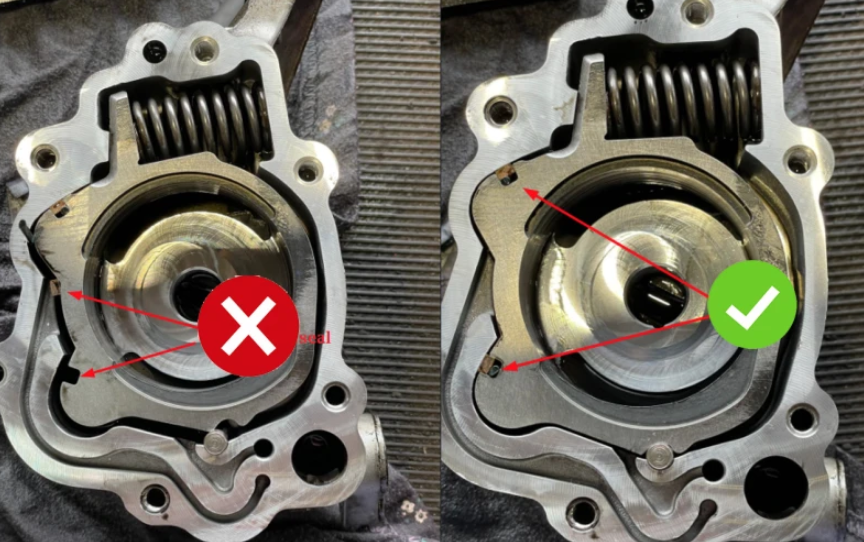
The symptoms of bad engine oil pump include low oil pressure, unusual engine noises, and higher engine temperature. These issues signal poor oil circulation and potential engine damage.
An oil pump problem is symptomatic of a more serious problem with your engine’s lubrication system. The oil pump is an important component of an engine because it is responsible for ensuring all engine parts are adequately lubricated. If an oil pump failure occurs, then there is a high chance that oil pressure will drop, as a result, there will be less lubrication and increased wear of critical parts of your engine. Detecting symptoms caused by oil pump failure in the early stages will help avoid costly repairs and prolong engine lifespan.
This article will detail the common symptoms caused by a faulty oil pump, explain the underlying causes, and describe the possible solutions before it can cause serious damage to the engine.

Contents
What is the Function of the Oil Pump?
When trying to understand the symptoms of oil pump problems, it is important to understand the role of the oil pump. The oil pump of an engine delivers pressurized oil to the moving components of the engine like the bearings, pistons, and the camshaft. This process of lubrication helps to remove dirt and reduces the amount of friction and wear. It also helps to control the temperature of the engine by removes the heat that builds up in the friction surfaces.
Deficient oil flow results in metal components in the engine rubbing against one another, leading to excessive damage. Insufficient oil pressure combined with inadequate lubrication can cause the engine to overheat, leading to catastrophic engine failure.
Symptoms of Bad Engine Oil Pump
Malfunctioning oil pumps can result in a myriad of challenges. This is a brief explanation of the most prominent issues caused by pump malfunction.
1. Engine Oil Pressure Light
The oil pump’s dysfunction results in the engine oil pressure light coming on. In most new cars, there is a built-in oil pressure sensor. If there is a drop in oil pressure, the sensor triggers the light, as a warning to the driver.
If you see the oil pressure light while driving, there is a possibility that the oil pump is being inadequate, or the oil level is simply too low for the pump to circulate oil as required. If you oil light comes on, check the oil first. If the level is adequate and the light remains on, there is a high possibility that the pump is failing.
Some low oil pressure warning lights can be triggered by other things like low levels of oil, an oil pressure sensor that is bad, and an oil filter that is clogged, but, when looking at other issues such as noise and overheating, these are big issues that show that an oil pump has failed.
2. Strange Noises Coming From The Engine
Unusual engine sounds are an engine oil pump issue. The engine components like the pistons, camshafts, and crankshafts are not lubricated properly which is a result of the oil pump not being the one to keep the pressure high enough. More contact is made which causes bad engine sounds to be made.
Some of the sounds that can be heard are:
- Tapping or ticking: These sounds are indicative of the valve lifters not being lubricated enough.
- Knocking sounds: These sounds are from metal components that come into contact with one another due to lack of lubrication.
- Whining or gear noise: This may be a sign that the oil pump itself is struggling or that the gears inside the pump are worn out.
There’s no question that, if an engine makes these sounds, it means there is an issue with the oil pump and oil pressure is low.
3. The Engine is Getting Too Hot
Another sign that the oil pump is failing is a rise in engine temperature. To keep the engine temperature within safe limits, it is essential to have good lubrication. The oil pump is responsible for the oil circulation, and if it is not functioning properly, the engine has to work more to overcome friction. This means that the oil pump is circulating oil inefficiently and the engine components will generate more heat. This can lead to engine overheating. If the oil pump is not circulating oil properly, the engine components will generate more heat and lead to overheating.
If the oil pump is not circulating oil properly, the engine components will generate more heat and lead to overheating. This can cause the temperature gauge to rise, and the warning lights can come on. The engine can even blow a gasket. Lastly, the engine can lose components or even the entire engine.
4. Engine Performance is Poor
Poor engine performance is also a sign that the oil pump is failing. The oil pump is failing and oil pressure is low, which means that the lubricating oil is not flowing properly which causes excess friction in the engine. This is a major cause for the engine to lose its peak performance and for the engine to have a low level of power and a low level of responsiveness.
The car’s engine may feel less responsive or may become more difficult to start. Most modern vehicles have an engine control unit (ECU) that can pick up on these problems and, in order to protect the engine, reduces power. This is called limp mode. It is possible to keep driving the car in limp mode, but it is best to address the problem very quickly in order to avoid additional damage.
5. Issues with Oil Leaks and Oils
An oil pump or oil pan with an oil leak is a sign that something else may be wrong. A failing oil pump may cause oil pressure to fluctuate, resulting in leaks. Worn seals and gaskets may cause the oil to escape the pump area. Oil that is foamy or contains air bubbles may be a sign of failing oil pumps. This is something that may be visible during an oil check.
Oil leaks may be seen as oil spots beneath the car and may also create an oily appearance around the engine. Investigate quickly if you suspect an oil leak, especially before low engine oil levels result in further damage to the engine.
6. Oil Pressure Gauge Problems
An erratic oil pressure gauge can also indicate a bad oil engine pump. If the gauge is working properly, your oil pump should be working properly too, since a steady pump should maintain steady pressure. This is why, when your gauge fluctuates, it means your pump is not providing steady pressure.
When the oil pressure pump is low when the engine is idling, or it is fluctuating when the engine is accelerating, it can be a problem with the oil pump. In such cases, a diagnostic tool will confirm the low pressure and will be able to tell if the problem is with the pump or with another component of the lubrication system.
What Makes Oil Pumps Fail?
There can be many reasons why oil pumps fail. If you can successfully identify the reasons why, you can potentially avoid the issues all together.
1. Wear and Tear
The oil pump is one of the many components of the engine. Because of the engine’s structure and function, the oil pump will work without exception, each and every time the engine is powered on. Because of this continuous and repeated process, parts of the pump will become less effective, and less functional, and less able to provide the required level of pressure. One of the most basic reasons why pumps fail is because of mechanical wear.
2. Impurities in Oil
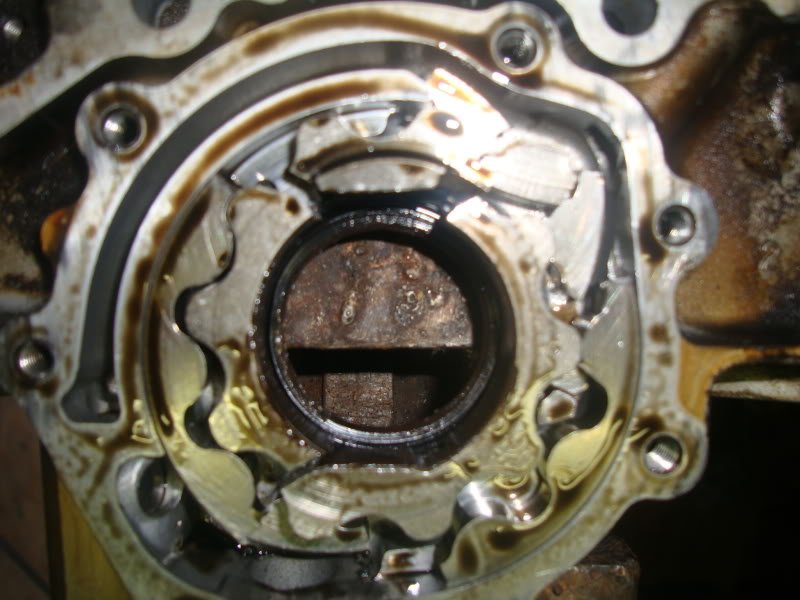
The oil pump is built to easily withstand dirt and grime. However, as sludges and dirt particles build-up within the oil, the oil pump will become less able to work because of the impurities contained in the oil. Eventually, the impurities that build-up in the oil will destroy the internal gears and cause the pump to fail.
3. Oil Type
The use of the wrong type and viscosity of oil will directly lead to pump failures. If the oil is too viscous (thick) or too fluid (thin), oil will not be effectively or sufficiently circulating throughout the engine. As a result of the stress being placed on the pump, the pump will fail.
4. Insufficient Oil Level
When the level of oil is too low, it will lead to the oil pump being unable to apply the sufficient pressure that will lead to the successful circulating of the oil throughout the engine. As the user, it is you responsibility to ensure that the oil is topped and at the right level or else you will create greater issues for yourself.
5. Blocked Oil Pick Up Tube
The oil pickup tube pulls oil from the oil pan and transfers it into the oil pump. If the oil pickup tube gets blocked from debris or sludge, the oil pump will not get any oil, and this will lead to low oil pressure.
Diagnosing and Fixing a Damaged Oil Pump
If you notice low oil pressure warning signs, you should act immediately. Here are symptoms an oil pump malfunction:
1. Low Oil Pressure: The first obvious way to determine the engine’s oil pump malfunction is measuring the oil pressure. You will need a mechanical pressure gauge in order to calculate the oil pressure. Oil pump malfunction cannot be ruled out if the pressure is often not sufficient to meet the manufacturers specification.
2. Engine Examination: Some oil leaks, oil pump malfunctions, and seal wear, and a dirty or old oil filter may go unnoticed if you do not carry out an examination. An engine examination is very important.
3. The Oil Pump Must Be Replaced: If the oil pump needs to be replaced, be ready for a lot of work to be done, including the removal of the oil pan, the timing cover and a few other parts to get to, and remove, the pump. Once the pump is replaced, the system will be tested to ensure correct flow and pressure of the oil. (mechanicalbasics.com)
Preventing Oil Pump Failure
There are a few things you can do to keep your oil pump from failing:
- Oil changes have to be done often. The oil can be clean and the contaminants that damage the oil pump will be eliminated.
- You have to use the right oil. The oil recommended by the manufacturer will ensure proper flow and pressure.
- You should regularly check and add oil!
- If you see any signs of oil leaking, especially near the pump, you should fix the leak.
Frequently Asked Questions
Here are some FAQs about the symptoms of bad engine oil pump –
1. Can an improper oil pump harm the engine?
Yes, a pump that loses functionality can cause overheating and friction, and could ultimately lead to a damaged engine.
2. How long can you drive a car with a bad pump?
Driving a car with a pump that’s bad is not advisable. The further you drive, the more you risk damaging the engine further.
3. Can an oil pump fail because the oil is low?
Yes, a pump is not able to function properly and create the pressure needed if the oil is low.
4. What is the oil pump replacement cost?
The cost of replacing an oil pump can vary between $300 and $1000, depending on the vehicle model and labor costs.
Conclusion
For ignorable damage to the engine, it is important to identify symptoms of a faulty engine oil pump.All kinds of issues may point to a damaged oil pump, including low oil pressure, strange sounds, overheating, and trouble with the car running. Fixing the issues and diagnosing the problem early can save money and time in the future. If you want to sustain the oil pump at its best, practice proper upkeep like maintenance, correct kinds of oil, and monitoring oil levels as well as pressure. If you see any signs of a damaged oil pump, get help from a professional as soon as you can to save your engine.


