


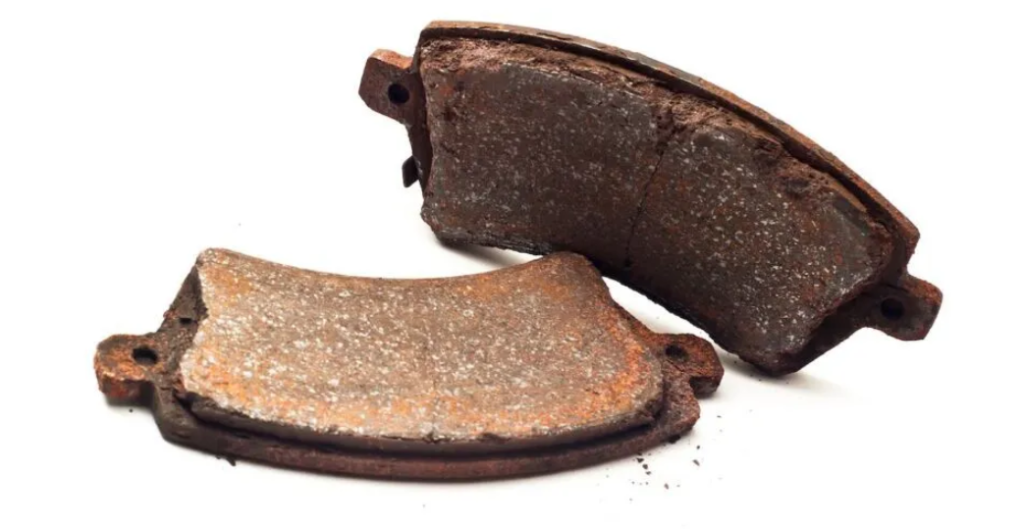
Tapered brake pads indicate uneven wear due to misalignment or rotor issues, affecting braking performance. It requires prompt attention to avoid further damage.
Brake pads play a crucial role in vehicle safety. They create friction with the rotors to slow or stop the vehicle. Tapered brake pads indicate an issue with the braking system. When one side of a brake pad wears faster, it causes uneven pressure on the rotor. This can reduce braking efficiency and compromise safety. It also leads to more frequent brake system cleaning, pad replacements, and longer braking distances. Noise may increase, further impacting safety. Understanding the causes and effects of tapered brake pads is essential for maintaining vehicle safety.

Contents
What Are the Risks of Tapered Brake Pads?
Since they are the result of degredation of some aspect of the braking system, they are a good clue to what the underlying issues are for the system as a whole. The issues include, among other things, out of line or damaged brake calipers, damaged rotors, or compromised elements of the vehicle’s suspension. Knowing the cause of the issue will aid in diagnosing and fixing it before it causes more damage, is easier to fix in early stages, and before it leads to unsafe driving conditions.
1. Unaligned Brake Calipers
Misaligned brake calipers are one of the brake components that are most often cited as causes of tapered brake pads. A caliper holds one or multiple brake pads and, during braking, presses one or more of the brake pads to the rotor. If the caliper is unaligned, that brake caliper may apply brake pad pressure unevenly, causing one side of the brake pad to wear more quickly than the other.
Causes of Tapered Brake Pads / Unaligned Calipers:
- Uneven pressure: A brake caliper that is unaligned with the brake rotor may cause the brake pads to apply more pressure to one side of the rotor. This brake pad will wear down rapidly compared to other brake pads.
- What does this mean? Unaligned brake calipers can result from poor installation, mechanical breakdown, or a combination of wear and tear. This type of condition can result in reduced braking force but will also increase the wear of other components of the brake system including the brake rotor.
2. Uneven Rotor Surface
The tapered brake pads are affected by condition of the rotors. Once the rotors are damaged, more warped, or worn unevenly, they will affect the brake pads’ ability to contact the rotor surface evenly. The pads will wear more quickly on one side, causing them to taper.
How Uneven Rotors Lead to Tapered Brake Pads:
- Warped Rotors: Heat, driving habits, and inferior rotors cause them to become warped after some time. When rotors are warped, the uneven surface of the rotor cause the brake pads to wear unevenly.
- What It Means: This problem may mean it’s time to resurface or replace the rotors. If the problem persists, it will cause damage to the brake components.
3. Sticking Brake Calipers or Pistons
You may also have brake pads that taper due to a sticking brake caliper or piston. Sticking brake calipers or brake pistons apply the brake pad force. If these components are stuck, they may fail to apply pressure to the brake pads, resulting in uneven wear. Because of this, one side of the brake pad could touch the rotor constantly, while the opposite side of the brake rotor does not get pressure.
What Sticking Calipers/Pistons Do to Cause Tapered Brake Pads:
- Sticking Action: If the caliper is stuck or not moving smoothly, it can press unevenly on the brake pads, leading to uneven wear.
- What It Indicates: Sticking calipers can happen because of corrosion, rust, or a lack of lubrication. It suggests that the brake system is not functioning as designed, and components may need lubrication or replacement.
4. Problems with Suspension System
The suspension system is critical to the vehicle’s alignment and balance. When the suspension parts like control arms, ball joints, or bushings, wear down, your vehicle will be out of alignment. This out of alignment vehicle applies uneven pressure to the brake pads, resulting in tapered brake pads.
How Suspension Problems Cause Tapered Brake Pads:
- Uneven Distribution of Weight: The primary reason is uneven weight distribution. When there is an alignment issue with the suspension system, brake pads do not make full contact with the rotor, and one side of the brake pads wears faster.
- What It Indicates: Worn out suspension parts will bring about a brake system problem since the brake system will depend on the balance and alignment of the vehicle.
3. Bad Brake Pads Quality or Bad Installation of Brake Pads
In some cases, tapered brake pads can be caused by brake pads of poor quality or by bad installation. If brake pads are not designed to the needed specifications, or the installation is done badly, the brake pads will wear unevenly.
How Poor Quality Pads or Poor Installation Result in Tapered Brake Pads
- Quality Control Problems: Brake pads made from inferior materials do not possess the required resilience and therefore wear down quicker and develop uneven surfaces. If installed incorrectly, the brake pads can end up in an incorrect position, and causes tapering.
- What It Means: The use of inferior pads, or substandard installation means the vehicle’s braking system may not operate efficiently. It may also mean that the other components of the braking system, such as the calipers or the rotors, could also be compromised.
Effects of Tapered Brake Pads
To leave tapered brake pads unchecked can lead to a number of serious issues such as reduced braking power, added noise, and increased wear on brake components.
1. Reduction of Braking Efficiency
A quick and very immediate effect of tapered brake pads is braking performance for your vehicle. If the pads are worn unevenly, then the vehicle’s stopping capabilities are jeopardized. The pads have to fully make contact with the rotor and if they don’t then the braking force is applied unevenly and this leads to a lower braking efficiency.
2. Even Increased Wear on the Rotors
Because tapered brake pads are applying uneven pressure, the rotors will also have uneven wear as a result. This leads to the increased likelihood of the rotors to develop grooves, scoring, or even warping. This can lead to further reduced efficiency of braking and increased repair costs even further.
3. Brake Pad Noise and Vibration
Noise is another consequence of tapered brake pads. Worn pads can make scraping, squealing, or grinding sounds when stopping. Noise can also mean the brake pads aren’t making proper contact with the rotors. Vibration of the brake pedal can also happen when one side of the brake pad is worn more than the other, resulting in a less smooth, more jerk brake pedal and more erratic stopping.
4. Car Pulling One Side
When brake pads are tapered, the car can pull one side when stopping. If one side of the brake pads is worn more than the other, the brake pads will create uneven stopping force, resulting in the car pulling one way. This affects the way the car drives and can be dangerous in emergency stopping situations.
How to Address Tapered Brake Pads
As soon as you detect tapered brake pads, you should act. It is crucial to address problems causing uneven wear to restore the brake system’s proper function and prevent damage from building up.
- Regular Brake Inspections: Regular inspections of the brakes are the first step to solving issues related to tapered brake pads. These inspections would allow a certified mechanic to adjust the caliper alignments, the condition of the rotors, and the suspension. Parts that are damaged should be repaired or replaced.
- Resurface or Replace Rotors: If a rotor’s condition is uneven or warped, it would be best to either resurface or replace them. These allow smooth rotor surfaces to make contact with the pads better. Other times the rotors will just need to be replaced because of the condition of the rotor.
- Fix Suspension and Alignment Issues: If the suspension parts are still intact and shiny, then it is best to replace them. It would be advisable to do this so that the brake calipers can be evenly layered.
- Replace Sticking Brake Calipers: Regular maintenance would be best for issues like a caliper that is still intact. If the calipers are stuck because of the uneven brake pad movement, then it would be best to replace them.
- Use Quality Brake Pads: It’s important to have quality brake pads installed correctly. Quality pads will also most likely wear and brake more evenly and efficiently.
Frequently Asked Questions
Here are common questions about tapered brake pads –
1. What do I look for to determine if my brake pads are tapered?
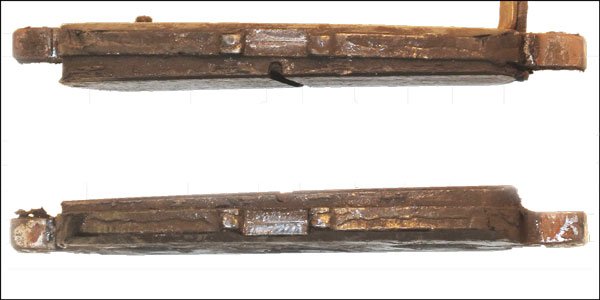
To determine if brake pads are tapered, look for uneven wear, e.g. if one side is thinner, that is a sign of tapered brake pads. A brake pad inspection can also be done by a mechanic.
2. What factors lead to tapered brake pads?
The tapered brake pads can be attributed to poorly aligned brake calipers, uneven brake rotor surfaces, sticking calipers, suspension problems, and quality of brake pads.
3. Can tapered brake pads be a problem?
Tapered brake pads can be a problem as they reduce brake efficiency, yield noise, vibration, and cause damage to other brake parts. Make sure to be safe and have them addressed as soon as possible.
4. What can I do to have non-tapered brake pads?
Keep in mind that non-tapered brake pads are possible as long as the brake components are maintained, the suspension is also properly maintained and quality brake pads are installed at all times.
5. What is the risk of using a vehicle that has tapered brake pads?
Using a vehicle with tapered brakes is a risk as many factors can compromise brakes and the safety of the ride, make sure to address that problem quickly.
Conclusion
If brake pads are unevenly worn, deeper issues are likely present in the brake system that need to be identified. This issue, whether caused by misaligned calipers, rotors that are uneven, or issues with the suspension, negatively affects how well your brake system works, and by extension, the safety of the vehicle.
To maintain safety in your brake system, it is important to do regular inspections and maintenance, and repair the system when damaged. If left to brake pads that are tapered, it allows the issue to continue, and will reduce the performance of your brake system.


