


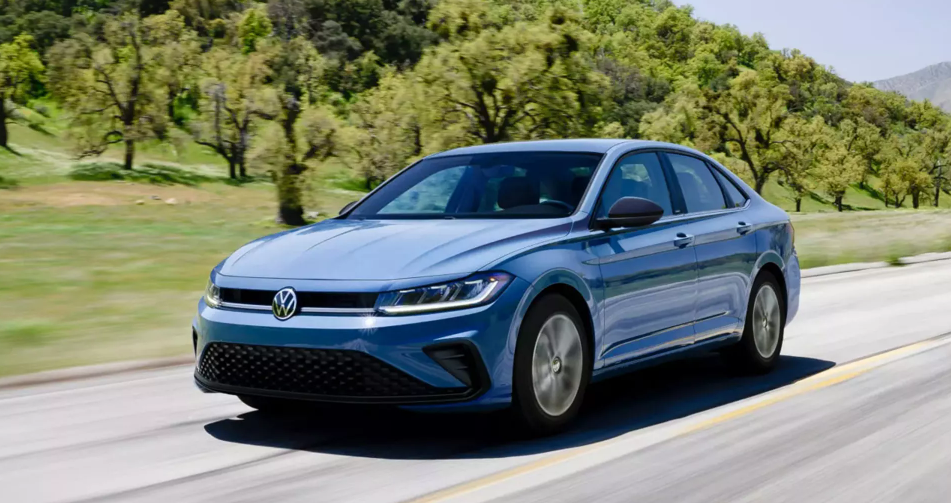
VW Jetta engine interchange chart helps identify compatible engines for different Jetta models. It simplifies engine swaps by showing necessary modifications and compatibility details.
If you’re thinking about replacing the engine in your VW Jetta or embarking on an engine swap project, the VW Jetta engine interchange chart is an invaluable resource. This chart helps you identify which engines are compatible with various Jetta models. It covers everything from engine sizes and types to transmission compatibility and wiring needs.
Using an engine interchange chart allows you to save time, effort, and money by identifying the right engine for your Jetta. It prevents costly mistakes like purchasing an engine that doesn’t fit or doesn’t match with the rest of the car’s components. This guide will walk you through understanding the chart and how to use it effectively for engine swaps and replacements.

Contents
What is an Engine Interchange Chart?
An engine interchange chart is a tool that lists engines that can be swapped into a specific vehicle model. For Jetta owners, this chart shows which engines are compatible with your car’s frame, transmission, wiring, and other key components.
The VW Jetta engine interchange chart will typically show:
- Engine codes for specific models and years.
- Engine types, such as gas, diesel, or turbo.
- Transmission compatibility.
- Information about wiring, ECU, and fuel systems.
- Notes on modifications that may be required for an engine swap.
The interchange chart makes it easier for anyone performing an engine swap to choose the right engine that fits the car’s structure, reduces the need for extensive modifications, and works well with other components.
VW Jetta Engine Codes
One of the key aspects of using the VW Jetta engine interchange chart is understanding engine codes. Volkswagen uses specific alphanumeric codes to identify different types of engines. These codes provide detailed information about the engine, such as displacement, fuel type, and the presence of a turbocharger.
How Engine Codes Work
An engine code typically consists of a series of letters and numbers. Each part of the code represents a specific aspect of the engine. The first few letters often tell you the engine’s size or family, while the numbers that follow usually provide more details such as the engine’s generation or power output.
Common Engine Codes in VW Jettas
Knowing engine codes is crucial for identifying which engines are compatible with your Jetta. In this section, we’ll break down the most common engine codes found in VW Jettas and explain what they mean for your engine swap project.
- 1.8T: This is a 1.8L turbocharged engine commonly found in Mk4 and Mk5 Jettas.
- VR6: This refers to a 2.8L V6 engine. It’s often swapped into earlier Jettas, particularly Mk3 models, for better performance.
- TDI: This code is used for diesel engines, such as the 2.0L TDI engine. Diesel engines are popular for their torque and fuel efficiency.
- TSI: This code represents a turbocharged, stratified injection engine, a more recent engine technology used in Jettas since the Mk6 generation.
By referring to the engine codes, you can more easily identify which engines are compatible with your Jetta and which ones might require significant modifications.
Popular Engine Swaps for the VW Jetta
The VW Jetta engine interchange chart highlights many possible engine swaps for different generations of the Jetta. Below, we’ll explore some of the most popular engine swaps based on the Jetta’s generation and the performance goals of the owner.
Mk1 and Mk2 Jetta Engine Swaps
The Mk1 and Mk2 Jettas, produced from 1979 to the early 1990s, are known for their simple yet reliable engines. However, many owners want to upgrade their vehicles for more performance or better fuel efficiency.
- 1.6L Diesel Engine Swap: Swapping a 1.6L diesel engine into an Mk1 or Mk2 Jetta provides excellent torque and fuel economy. This engine is often found in the later VW models and is perfect for drivers who want to improve their car’s performance without sacrificing too much on fuel economy.
- 1.8L and 2.0L Gasoline Engines: A popular engine swap for Mk1 and Mk2 Jettas is to move to a 1.8L or 2.0L engine from a later Mk3 Jetta. This swap offers a noticeable boost in horsepower and is a relatively straightforward process for DIY enthusiasts.
Mk3 Jetta Engine Swaps
The Mk3 Jetta, produced from 1993 to 1999, was a significant leap forward in terms of technology and performance. It introduced more powerful engines, which can be swapped into earlier models for more power and better reliability.
- VR6 Engine Swap: The 2.8L VR6 engine is a common swap for Mk3 Jettas, offering a substantial increase in performance. It’s a popular option for those seeking a V6 engine that provides more horsepower and torque.
- 2.0L 8V or 16V Engines: The Mk3 Jetta came with the 2.0L 8V and 16V engines, which are often swapped into older Jettas for a performance boost. These engines are reliable and simple to work on, making them a go-to for many enthusiasts.
Mk4 and Mk5 Jetta Engine Swaps
The Mk4 (1999-2005) and Mk5 (2005-2010) Jettas are more modern, with larger engines and more advanced technology. However, some owners may want to swap these engines for more performance or better fuel efficiency.
- 1.8T Turbo Swap: The 1.8T turbocharged engine, found in later Mk4 and Mk5 Jettas, is one of the most popular swaps. It offers a good balance of power and fuel efficiency and can be easily tuned for more horsepower.
- TDI Diesel Engine Swap: Diesel engines, such as the 2.0L TDI, are frequently swapped into Mk4 and Mk5 Jettas. These swaps offer excellent fuel efficiency and better low-end torque, making them ideal for daily drivers.
Sample VW Jetta Engine Interchange Chart
Below is a simple chart that helps you understand the process of choosing a compatible engine for your Jetta. This is an example for different Jetta generations, with common engine swaps.
| Jetta Generation | Engine Codes | Engine Type | Transmission Compatibility | Common Modifications |
|---|---|---|---|---|
| Mk1 (1979-1984) | 1.6L Diesel, 1.8L Gas | Diesel, Gasoline | 4-speed manual, 5-speed manual | Minor mount modifications, fuel system adjustments |
| Mk2 (1985-1992) | 1.8L, 2.0L, VR6 | Gasoline, VR6 | 5-speed manual, automatic | Custom motor mounts, ECU reprogramming |
| Mk3 (1993-1999) | 2.0L 8V, 2.0L 16V, VR6 | Gasoline, VR6 | 5-speed manual, automatic | Possible transmission swap, wiring changes |
| Mk4 (1999-2005) | 1.8T, 2.0L, 2.0L TDI | Gasoline, Diesel | 5-speed manual, 6-speed manual | ECU tuning, custom exhaust |
| Mk5 (2005-2010) | 2.5L, 1.8T, 2.0L TDI | Gasoline, Diesel | 5-speed manual, 6-speed manual | Fuel system upgrade, ECU tune |
| Mk6 (2011-2018) | 2.5L, 1.8T, 2.0L TDI, TSI | Gasoline, Diesel, Turbo | 6-speed manual, DSG | ECU tuning, upgraded injectors, wiring mods |
How to Use the VW Jetta Engine Interchange Chart
Using the VW Jetta engine interchange chart can be daunting at first, but it becomes much easier once you understand how to read and interpret it.
Step-by-Step Guide to Using the Chart
It’s important to understand how to read and use the VW Jetta engine interchange chart effectively. Here are key steps to ensure you choose the right engine for your Jetta model.
- Identify Your Jetta’s Current Engine: Start by locating the engine code of your current Jetta engine. This code can usually be found on a sticker in the engine bay or on the engine block itself.
- Search the Chart for Compatible Engines: Once you have the engine code, look it up in the chart to find which engines are compatible with your Jetta model. The chart will list all of the potential engines that can be swapped into your vehicle.
- Check Transmission Compatibility: It’s essential to ensure that the new engine will work with your existing transmission. Some engine swaps may require you to change the transmission as well, so it’s important to check this before proceeding.
- Verify Wiring and ECU Compatibility: Newer engines may require you to modify the wiring harness or update the ECU. Some swaps may involve custom wiring or an ECU tune, so always check these details in the chart.
- Consider Modifications: The chart will often list whether any additional modifications are needed, such as changing motor mounts, upgrading fuel systems, or modifying exhaust systems.
Common Compatibility Issues to Watch Out For
While the VW Jetta engine interchange chart is a great tool, there are still some common compatibility issues to watch out for when swapping engines. It’s crucial to be aware of these issues before you begin your engine swap.
Transmission Mismatches
Not all engines are compatible with every transmission. It’s essential to verify that the engine you want to swap in will match the transmission type in your Jetta. In some cases, you may need to replace the transmission as well to ensure proper fitment.
Wiring and ECU Differences
If you’re swapping a newer engine into an older Jetta, the wiring harness and ECU may be incompatible. Newer engines often use different sensors and connectors, so you may need to make wiring modifications or even upgrade your Jetta’s ECU to accommodate the new engine.
Fuel System Adjustments
Swapping from a naturally aspirated engine to a turbocharged one may require upgrading the fuel system to handle the increased fuel flow. Additionally, different engines may require different fuel pumps, fuel injectors, or fuel lines.
Tips for a Successful Engine Swap
Successfully swapping an engine into your VW Jetta requires careful planning. Here are a few tips to help ensure your swap goes smoothly:
- Research: Always do thorough research on the engine you want to swap into your Jetta. Be sure to consult the VW Jetta engine interchange chart and online forums to understand the specific requirements for your chosen swap.
- Take Your Time: An engine swap is a complex process that takes time. Don’t rush through it. Make sure you have all the necessary parts and tools before starting the project.
- Seek Professional Help: If you are unsure about any aspect of the swap, consider seeking help from a professional mechanic or someone experienced in engine swaps. They can offer valuable insights and help you avoid mistakes.
- Double-Check Compatibility: Before purchasing a new engine, double-check the compatibility of the engine with your Jetta’s transmission, wiring, and fuel system.
Related Article
Jeep Engine Swap Chart
Are Engine Swaps Legal in California?
Frequently Asked Questions
Here are some FAQs about the vw jetta engine interchange chart –
1. What is an engine interchange chart?
An engine interchange chart shows which engines are compatible with a specific vehicle, including details about the engine type, transmission, and other important specifications.
2. Can I swap a turbocharged engine into a non-turbo Jetta?
Yes, but you may need to modify the fuel system, ECU, and wiring. Some parts of the car, such as the exhaust and motor mounts, might also need adjustments.
3. How do I find my Jetta’s engine code?
The engine code is usually stamped on the engine block or available on a sticker in the engine bay. It can also be found in the vehicle’s registration documents.
4. What do I need to consider when swapping a diesel engine into my Jetta?
Swapping a diesel engine, like the 2.0L TDI, may require adjustments to the fuel system, exhaust, and electronics. Ensure compatibility with your Jetta’s transmission and wiring.
5. Where can I find the VW Jetta engine interchange chart?
You can find the VW Jetta engine interchange chart on enthusiast websites, forums, or within VW service manuals. Many online resources also provide detailed charts for specific Jetta generations.
Conclusion
The VW Jetta engine interchange chart is an essential resource for anyone looking to swap or upgrade the engine in their Jetta. It simplifies the process by showing which engines are compatible with specific Jetta models and provides important information on the modifications required for a successful swap.
By understanding how to use the interchange chart, you can make better decisions when selecting a new engine for your Jetta. Whether you are upgrading for better performance, improved fuel efficiency, or simply replacing a worn-out engine, using the chart ensures that your swap is successful and minimizes the risk of compatibility issues.


