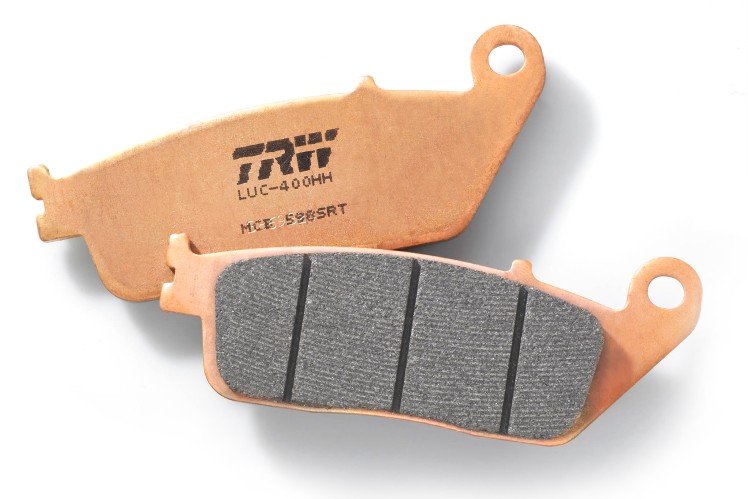
Sintered brake pads are made from metal particles fused under heat, offering durability and heat resistance. They’re ideal for high-performance vehicles but can be louder and wear rotors faster.
Sintered brake pads are more complex than organic and semi-metallic pads. They are made through a sintering process where metal particles are bonded by heat and pressure. This creates a solid, durable pad. Sintered pads are highly resistant to both wet and dry conditions, and can handle high temperatures. They are ideal for high-performance cars, off-road vehicles, and motorcycles.
Here’s a breakdown of how sintered brake pads are made, their benefits and drawbacks, and how they compare to other brake pad types.
Contents
- 1 What are Sintered Brake Pads?
- 2 How Sintered Brake Pads Are Made
- 3 The Sintering Process
- 4 Advantages of Using Sintered Brake Pads
- 5 Disadvantages of Sintered Brake Pads
- 6 Sintered Brake Pads vs. Organic vs. Semi-Metallic Pads
- 7 When Should You Use Sintered Brake Pads?
- 8 Caring for Sintered Brake Pads
- 9 Frequently Asked Questions
- 10 Conclusion
What are Sintered Brake Pads?
Sintered brake pads are made by heating a mixture of metal particulate to a high enough temperature where they literally bond to each other. This results in a more dense and highly durable brake pad that can withstand a lot more heat and perform a lot better than other types of pads on the market. The types of metal that are used in sintered pads are typically copper, iron, steel, and other metal alloys. In some cases, there are lubricants of graphite that are used to enhance use and lifespan of the brake pad.
These brake pads are created for vehicles and equipment that need serious braking power in extreme situations with high speed, multiple stops, or situations that entail off road use. Sintered brake pads are ideal for use in motorcycles, dirt bikes, sport cars, and even heavy equipment where normal pads won’t do.
How Sintered Brake Pads Are Made
The process of sintering begins with the mixing of metal powders. Metal powders are placed in molds and are later subjected to high temperature and pressure inside a furnace. While reaching high furnace temp, the mixture will cause the particles to fuse into a solid and fully compacted pad. This pad will also be extremally rugged and withstand high temps to brake hot.
The Sintering Process
Out of all the processes to manufacture brake pads, the sintering process is most effective at producing strong pads that last. Let’s review the sections:
1. Objective of raw materials: The first step is the collection of the raw materials. Metal powders, in particular copper, as well as iron or steel and other ingredients which can include graphite, are the four primary raw materials. These materials are mixed in determined ratios in order to achieve particular characteristics in the final product.
2. Compression: The metal powder is compressed inside molds to shape it to that of a brake pad. This process also fuses the powder particles to increase the density of the end product.
3. Heating: The compressed powder mixture is then placed in a furnace. The powder particles must reach a certain temperature to enable them to fuse together. This process solidifies the material which results in a brake pad that is both dense and strong.
4. Cooling and Finishing: After the pad is heated, a cooling process is applied to bring the temperature of the pad to ambient temperature. The cooled reinforced brake pad is then subjected to a trimming process to improve the fitting of the pad into the brake system.
5. Final Testing and Inspection: The last process involves a series of tests to be certain the reinforced brake pad meets the necessary criteria. These criteria include the level of heat the pad can withstand, the durability of the pad in comparison to similar pads and the friction coefficient of the pad also in comparison to similar pads. The pads are also checked for visible defect sand are packaged for sale.
Advantages of Using Sintered Brake Pads
Sintered brake pads have several advantages when compared to the rest of the brake pads in the category. The following will detail the reasons you should consider using sintered brake pads:
1. The Durability of Sintered Brake Pads is Outstanding
Sintered brake pads demonstrate exceptional durability and are perfect for devices that will be used extensively. They are made so they can survive extreme temperatures and pressure without breaking down. Because of that durability these pads are an incredibly economic choice for the long run, especially for devices that brake consistently. Be it a race car, off road vehicle or a motorbike, having sintered pads is the optimal choice.
2. They have Outstanding Resistance to Heat
The durability and heat and pressure resistance eliminates the chances of brake fade occurring, because the metal pads are designed to provide the same level of performance, regardless of the level of braking that is required.
3. Maintaining Overall Consistency
Sintered brake pads are usually utilized when you want consistency. The range of conditions are broad, as they are made to stop you from extreme situations. Usually, you’ll find these to be the best option for situations with extreme stopping situations. Because of the stopping power these pads can provide, they are the best for sports cars, motorcycles, and off-road vehicles.
4. Improving Braking Power
Sintered brake pads provide better stopping power. Out of the three options of brake pads, sintered brake pads provide the best stopping power. Because of this, these are usually made for high performance vehicles, as they provide faster and more reliable stopping. Along with stopping, the high coefficient friction provides a response to the brake almost immediately and this is usually for more precise and extreme situations.
5. Increase Resistance to Wear
Because of the chemical make up of the materials, sintered brake pads will last longer than organic brake pads. Because these brake pads will last you longer, you will end up saving much more than you would by replacing organic pads, especially if you are a very heavy user of the brakes.
Disadvantages of Sintered Brake Pads
There are downsides to sintered brake pads even though they are a popular choice for synders. Sintered brake pads should make a person aware of the following issues.
1. Noise
Perhaps the most unfortunate issue with sintered brake pads is their noise. Given that they are made of metal, sintered pads are always going to be louder than their organic or semi-metallic alternatives. The noise is sometimes worse in conditions when the brakes are exposed to the cold or when the brake pads are being worked hard. Noise is a big problem for people who prefer the quite brake noise when driving.
2. Rotor Wear
Compared to sintered, the other types of brake pads tend to be less abrasive, meaning they tend to be more rotors. The increased friction from the sintered pads tends to make the surface of the rotors wear eat more tend to eat more. Because of this, it is important to consider how often wear eat more a person is going to have to replace a rotor for this reason alone when combining sintered pads with high performance rotors.
3. Higher Cost
Sintered brake pads are usually higher priced than organic and semi-metallic pads. The process of sintering and the incorporation of some higher grade metals are a few reasons for the cost. Although many high-performance vehicles make the investment worthwhile due to their durability and performance, the initial cost is also comparatively higher than some other types of brake pads.
4. Stiffer Feel
Sintered brake pads tend to feel a bit stiffer than organic pads and less responsive, particularly when it comes to lower speeds. Because of this, the experience gained from braking can be a bit rougher than usual, especially for those drivers who like a more laid back experience. The added stiffness can cause a bit less control to be when fine braking. This can be seen as a disadvantage providing certain driving habits/styles.
Sintered Brake Pads vs. Organic vs. Semi-Metallic Pads
Comparing sintered brake pads to other brake pads can help us understand the pros and cons of sintered brake pads. Here is how sintered brake pads compare to organic and semi-metallic brake pads:
Sintered Brake Pads vs. Organic Brake Pads
Compared to organic brake pads (which consist of materials like rubber, glass and resins), sintered brake pads can be harsher, noisier, and are more abrasive on rotors. Organic pads can also wear out faster and can cause brake fade at higher temps. In comparison, sintered pads are more durable and can withstand higher temps.
Sintered Brake Pads vs. Semi-Metallic Brake Pads
Semi-metallic brake pads are made of organic and sintered materials (usually some metal fibers mixed in) and offer a balance of performance and sound that works well for most average drivers. Sintered pads offer more heat resistance and durability which can make them more costly and louder than semi-metallic brake pads.
When Should You Use Sintered Brake Pads?
Sintered brake pads work best in specific driving conditions and types of vehicles. Here are some examples.
1. Sports Cars and Motorcycles: High-performance braking sintered pads are a good choice. They have better heat resistance and braking performance.
2. Off-Road and Dirt Bikes: Dirt bikes and off-road vehicles are often used in conditions that are muddy dusty and wet. Sintered pads work best as they are more reliable in these conditions.
3. Heavy Industrial Machines: Sintered pads are best for industrial machinery because of their high heat and durable braking capability. They are good for construction and mining machinery and heavy-duty machines.
Caring for Sintered Brake Pads
Here are a few tips on caring for sintered brake pads for maximum performance and longevity:
Routine Inspections: Inspection for sintered pads are required even though they last the longest. Spot check for cracks and even wear. When sintered pads are nearing the end of their lifespan, it is wise to change them out to prevent irreversible damage to the rotors.
Rotor Care: In addition to keeping the smooth and clean, the rotors should be maintained. If the rotor is damaged, it may become necessary to replace the pads and rotors in tandem.
Fluid Checks: As performance may decline as a result of the brake fluid being dirty and/or contaminated, it is important to check and maintain the brake fluid.
Frequently Asked Questions
Here are some FAQs about sintered brake pads –
1. Are sintered brake pads a good investment?
For vehicles and machinery that need reliable and heat resistant brakes, sintered brake pads are a good investment.
2. Is it worth buying sintered brakes for everyday vehicles?
Yes, but for regular everyday driving, sintered brakes are usually not recommended because of the noise, and they tend to wear down the rotors more quickly. They are more ideal for high-performance and off-road driving.
3. When should brake pads be replaced?
Sintered pads last longer than organic pads, but should be replaced once they are down to the thickness specified by the manufacturer.
4. Are sintered brake pads quieter than other types?
Due to being more metallic, sintered brake pads are usually louder than organic or semi-organic pads.
5. Do sintered brake pads wear down rotors more?
Yes, if the pads are organic, the rotors will need to be replaced more often than if the pads are sintered.
Conclusion
If you are anticipating high levels of performance and max demand from your vehicle, sintered brake pads are appropriate and suitable for you. For high functioning equipment such as vehicles, motorbikes, and heavy-duty construction equipment, sintered brake pads are highly efficient. While their durability and performance is commendable, it is at a premium cost.
If you prefer extreme quietness when using your equipment, or you intend to use it for less intense activities, it may be wise to use brake pads that are less on the performance spectrum.