


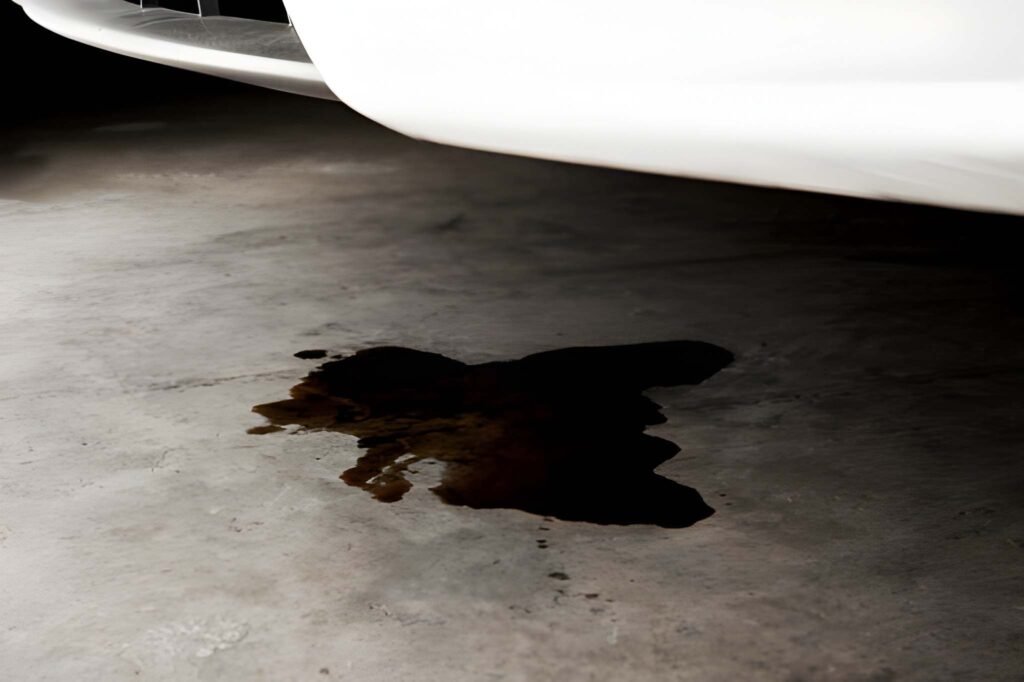
What color is brake fluid when it leaks? Brake fluid when it leaks is typically clear or light amber when new, but it can turn yellowish-brown, dark brown, or black as it ages or becomes contaminated.
A brake fluid leak is likely to cause worry and uncertainty for any car owner. If there are any issues with the brake fluid, there are likely to be issues with the braking system (which is critically important to the overall function of the car, and therefore the safety of the passengers). With respect to the issue at hand, brake fluid can be many different colors, and there are different behaviors associated with each of them.
This is valuable information for diagnosing issues and answer various questions about car maintenance. In this article, we will review the colors associated with brake fluid, and how to address a leak.
Brake fluid is a critical component for any vehicle, and is likely to be neglected. For those wondering what a leak of brake fluid looks like, we are about to jump into a fascinating topic that will teach you about the many functions of brake fluid.
Contents
- 1 What Does it Mean When Brake Fluid Leaks Different Colors?
- 2 What to Do When a Leak of Brake fluids Occur?
- 3 How to Prevent Leaks of Brake Fluid
- 4 Frequently Asked Questions
- 5 Conclusion
What Does it Mean When Brake Fluid Leaks Different Colors?
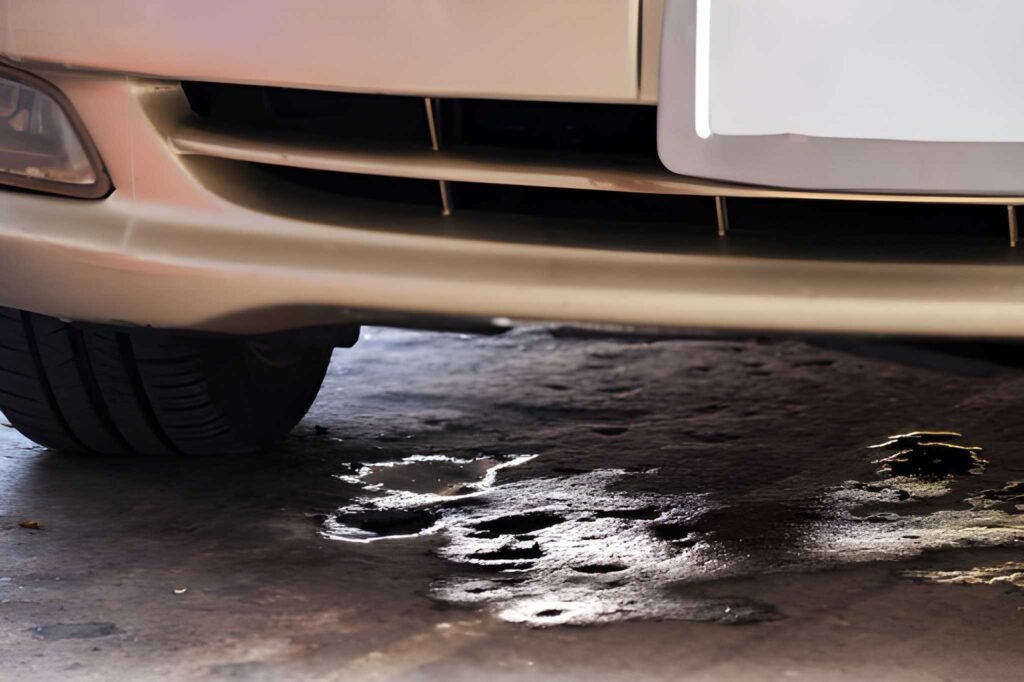
If there are leaks in your brake fluid, the color can reflect the condition of the liquid in the brake system. The fluid can be in different shades based on its age, contamination, moisture, and many other factors. Let’s examine the meaning of each color in the fluid.
1. New Brake Fluid, Light Amber with Clear Fluid
If there is a light amber color in the fluid, it means that the brake fluid is new and that there is nothing to be worried about. New brake fluid can be installed in the system and still remains transparent with only a slight tint. When new, the fluid is completely free of water and can work its best.
What Does It Mean?
If you see your car leaking light amber or clear fluid, don’t worry; it just means the brake fluid is new and has yet to get dirty from moisture or heat. In this sense, it means the brake fluid is functioning properly and doing its job. There is nothing wrong with your brake fluid, but you should check it from time to time to ensure you are not losing brake fluid too fast.
2. Yellowish-Brown Fluid (Aging Brake Fluid)
The brake fluid in your car can turn opaque when it has been aging too long from heat and air exposure. When you see your car leaking brownish-yellow fluid, it means that this type of fluid is beginning to get old and Brake fluid is designed to absorb moisture from the air, but when this happens, your car’s brakes get corroded from the inside.
What Does It Mean?
When brake fluid is yellow-brown it means it’s getting older and isn’t ideal but it is still usable. The yellow-brown color is fluid that is starting to deteriorate. It is still yellow-brown but means it is is getting older. The yellow-brown BMX fluid is a warning however. Break fluid should be replaced every once a year or once every two years to make sure that it is still functional and has no new particles in it.
3. Dark Brown or Black Fluid (Degraded Brake Fluid)
If brake fluid is leaking and it is brown or black this means old and burnt fluid. This means your fluid has been exposed to high heat and even moisture. It means that the air you brake fluid has absorbed has moisture and lowered the brake fluid’s boiling point and this could lead to worse brake performance on your brakes. It is also possible that the brown or black brake fluid could be thick or syrupy and even be more problematic.
What does it mean?
Dark brown or black brake fluid shows it is highly degraded and contaminated. Brake fluid that is dark brown or black means it is probably ineffective at completing its intended tasks. Old or contaminated brake fluid can corrode parts of the brake system and lower the effectiveness of the brakes, which puts your safety at risk. If your brakes leak dark brake fluid, it should be replaced immediately, and the brake system should be inspected for other problems, such as damaged seals or brake lines.
4. Red or Pink Fluid: Likely Transmission or Power Steering Fluid
To some, a red or pink fluid leak with a brake system may seem like a problem with the brake system, but this is not usually the case. Even if the fluid is red or pink, it is probably not brake fluid, and is instead more likely to be transmission fluid or power steering fluid. While they are still hydraulic fluids, they are not apart of the brake system.
What Does It Mean?
When your car has a leak that is pink or red, it could mean that the transmission or power steering system could be leaking. Identifying this fluid as brake fluid could cause time and money to be wasted on systems that do not have problems. However, if pink or red fluid is found around the brake systems, it is recommended that the area is checked further to confirm or deny that there is fluid mix-up or that the problem is a malefactor of a more serious issue.
5. Clear Fluid that Feels Oily (Hydraulic Fluid Leak)
Sometimes the fluid that is leaking from the brake system can be clear and look and feel oily. It could look like brake fluid, but it could also be hydraulic fluid. Hydraulic fluid is used in many areas of a car, like the clutch or suspension, and is not the sam as brake fluid. It may be best to consult a mechanic to help solve this issue.
What Does it Mean?
If the fluid that is leaking looks clear and has an oily texture to it, it means there is probably a leak in the hydraulic fluid as opposed to a leak in the brake fluids. Although it may not seem like it, hydraulic fluid leaks can influence the safety of your car as they can impact systems that relate to braking. For the safety of you and others, it’s important to have a professional mechanic look at the car in order to find the leak and check to make sure everything is in good working order.
What to Do When a Leak of Brake fluids Occur?
It is important for you to tackle the issue as quickly as possible in order to have complete control of your vehicle and make sure it can stop when you need it to if you notice there are brakes fluid leaking. If there is a brake fluid leak you should take the following steps:
- Examine Level of Brake Fluid: You need to look under the hood and check the brake fluid reservoir. If the reservoir is empty, then you are experiencing a leak in your brake fluids. When the fluid needs to be topped off, make sure you add the brake fluid that is compatible with your car.
- Check for Signs of a Leak: Look for leaks around the brake lines, brake master cylinder, brake calipers, and wheel cylinder. If you can’t find where the leak is coming from, a mechanic may need to check the vehicle.
- Go to a Professional Mechanic: If you find a leaking brake fluid, don’t drive the vehicle to the mechanic until the problem is resolved. It is critical to understand that a brake fluid leak could result in a complete brake failure. This is a serious safety issue. A mechanic can check the entire system, find the leak, and replace any damaged parts.
- Replace the Fluid and the Parts: After the repair, you may need to replace the brake fluid, and have a brake component (brake lines and seals, or master cylinder, etc.) replaced if any of them are damaged.
How to Prevent Leaks of Brake Fluid
Preventing brake fluid leaks is all about paying close attention to how you maintain your vehicle. By conducting a thorough inspection, you will have a better view of how to fix problems before they become serious. Here are some ways to prevent leaks of brake fluid:
- Check brake fluid frequently: To help you gauge whether your brake fluid is lower than normal, you should check the levels your fluid regularly and record the results of your observations. If you keep your brake fluid at lower levels, it could lead you to a leak, and if you catch it in the earlier stages, you could prevent brake damage.
- Inspect The Brake Lines: Look to the brake lines and repair any signs of deterioration such as a loss of visibility, corrosion, decay, severe cracking, or loss of visibility. If you determine that the lines are damaged, you should check and repair them immediately.
- Purchase and Use Quality Brake Fluid: You should use brake fluid that is high in quality and check to validate that it is appropriately used for your vehicle. If you don’t use brake fluid correctly, you could risk damaging your brake system, and it also increases the risk of a leak to your system.
- Bleed the Brake system: Like all systems, your brake fluid system should be serviced about every 1-2 to a year, to maintain the performance of your system and to remove any in system contaminants such as water.
Frequently Asked Questions
Here are some most common questions regarding brake fluid leaks –
- Is it safe to drive with a brake fluid leak?
Absolutely not. A brake fluid leak is serious, and driving in this condition is dangerous. Brake fluid is a vital part of the vehicle’s braking system is is extremely important. If a leak is present, stop driving and have the vehicle serviced.
- What is the reason for a brake fluid leak?
A leak can occur as a result of damage to the brake line, a faulty master cylinder, or worn seals. Aging components, corrosion, and brake line damage due to exposure to extreme heat can trigger fluid leaks as well.
- How can I tell the difference between brake fluid and another fluid?
Brake fluid can be clear, amber, and yellowish. If the fluid is red, brown, dark pink, or has oily consistency, it can be another fluid , for example, power steering fluid, transmission fluid, or hydraulic fluid.
- What is the brake fluid replacement interval?
Depending on driving conditions and the manufacturer’s recommendation. Brake fluid replacement is typically necessary every one to two years for optimum performance.
- Is it Possible to Fix My Own Brake Fluid Leaks?
When replacing brake lines or seals, it is wise to know your way around brake systems. Since brake fluid leaks are potentially fatal, it is fitting that a professional mechanic inspects and fixes the system.
Conclusion
When brake fluid leaks, the fluid’s visible color gives clues to the state of the fluid and the health of the braking system. The fluid can be fresh and clear, aged and yellowish brown, or dark and degraded. Understanding the warning signs is important to know the action you should take to remedy the problem. Any brake fluid leaks, should prompt the driver to act quickly and seek semiprofessional risk mitigation road services before others are potentially endangered.
It is important to routinely look at the brake fluid and the entire braking system to keep your vehicle safe. The safety of you and others on the road can be insured by timely maintenance as well as replacement of brake fluid. It can also keep your vehicle safe and prolong its life.


