



What does brake fluid smell like? Brake fluid typically has a sweet, chemical odor, especially when it’s fresh. As it ages or becomes overheated, it can develop a burnt or acrid smell, signaling potential issues like overheating or contamination in the braking system.
While having brake fluid in your vehicle is critical, most people don’t think about what is in their brake systems. Although they primarily function to ensure that you can stop your vehicle, there are various conditions that your brake fluid can tell you about your brake systems. This can be anything from a sweet smell that can indicate contamination to various other smells that can come from overheating.
This guide will help you understand what various smells can come from your brake fluid, what those smells can tell you about your brake systems, and what steps to take to ensure your system is functioning correctly. This guide will ensure you have the knowledge to understand the conditions of your brake systems, whether you are an automotive enthusiast or a beginner.
Contents
What is Brake Fluid?
While trying to understand the various smells your brake fluid can have, the first step is to understand what brake fluid actually is before ever trying to understand the various smells that brake fluid can have and the conditions they can indicate.
In the course of vehicle maintenance, hydraulic fluids are considered a necessary evil, and understanding the purpose of brake fluid will help you understand why. A vehicle’s brake systems have several inner components, and because they rely on the fluid’s transfer of force to create pressure on the brake components, fluid is required in order to stop the vehicle. This is true whether the vehicle is equipped with a drum or disc brake system. Brake fluid is an essential component of your vehicle’s braking system.
Depending on the chemical composition, there are a number of different kinds of brake fluids, but they usually fall into either of these two categories:
- DOT Fluids: These are the most widely used brake fluids, which include DOT 3, DOT 4, DOT 5, and DOT 5.1. These DOT classifications are determined by the United States Department of Transportation and have differences based on boiling point and the chemicals in the fluid.
- Mineral Oil-Based Fluids: These fluids are mostly used in European cars because of the fluids’ longevity and moisture-wicking capability.
- Synthetic Brake Fluids: These fluids are used in newer vehicles that are designed to meet higher performance and temperature requirements.
New brake fluid typically has a light yellow to clear tint, and can become discolored due to overheating and contamination. The odor can change based on the condition of the fluid as well as the presence of any issues in the braking system.
Smell in brake liquid?
Let’s examine the odor found in brake liquid. There are a few different names to describe this smell:
- Sweet Odor: Glycol-based brake fluids such as DOT 3, 4, and 5.1 smell especially sweet. This odor comes from corrosion-inhibiting glycols, which are part of the fluid’s recipe because they have higher corrosion resistance and boiling points.
- Chemical or Plastic-Like Odor: The brakes fluids are made out of synthetic components so, some people describe a mild smell of plastic or rubber. This odor is more noticeable in a closed container or when the liquid is heated.
- Burnt odor: If brake fluid smells burnt, this is often a red flag. This can also happen when the system is overworked, such as in heavy braking situations, or when the brake fluid is leaking and the fluid evaporates or burns.
- Pungent Smell: Old brake fluids, especially those made with mineral oil, can become acrid and pungent when they break down or become contaminated. This is typically associated with leaks or failing to change the fluid in time.
Brake fluid has a smell because it can indicate overheating, contamination, or leaks. Let’s discuss the different smells of brake fluid and what they indicate.
Why Does Brake Fluid Smell Like That?
To understand why the smell of the brake fluid is the way it is, we have to understand what brake fluid is made of. Brake fluid is made of a variety of chemicals that have been blended together to allow the fluid to work in extreme environments. The chemicals with the acrid smells are:
- Glycol ethers: Glycol ethers are the main chemicals that make up DOT brake fluid. These compounds have a sweet smell and also serve the purpose of adding a level of corrosion prevention to the brake fluid. Because they are hygroscopic, they attract and absorb moisture from the air. This can be a good thing… up until the point where the brake fluid can become contaminated because of it.
- Boron Compounds: Brake fluid sometimes has boron compounds added. Boron compounds help to prevent corrosion, and rust. These chemicals also help to explain the chemical or plastic smell which can be exacerbated with heat
- Moisture Absorption: The more moisture the brake fluid picks up, the lower the boiling point. If the brakes are applied heavily the fluid can get hot, and this can lead to burnt odors.
- Oxidation and Breakdown: Brake fluid can also oxidize, which causes it to break down and lose its effectiveness over time. When this happens it can produce an acrid smell, and this is one reason why brake fluid needs to be changed periodically.
How to Find Leaking Brake Fluid
Some people notice an unpleasant smell that can signal a brake fluid leak. If there is a smell of brake fluid, that can signal a problem somewhere in the brake system.
How to Find Brake Fluid Leaks:
- Look for Stains or Puddles: One of the first things to check is the area directly under your vehicle. There can be a clear, yellow, or brown stain. If there are any signs of this under your vehicle, it is a sign that the brake fluid is leaking.
- Check the Brake Lines: Look for signs of cracking or bulging in the brake hoses. If fluid is leaking and it is a wet area, you can often smell the brake fluid. Leaks in brake fluid often occurs near the brake master cylinder.
- Check the Tires: If you smell a sweet smell near the big rubber discs at any of the corners of the truck or car, you may have a leak in brake fluid that is leaking on the tire or related parts.
- Check the Brake Fluid Level: If you notice the scent and the fluid level is low, this can be an indication which there is a big leak somewhere in the system. Of course, you should fill the brake fluid level and then repair the leak.
What to Do If You Smell Brake Fluid?
If you notice the smell of brake fluid, it is important to take some measures. Brake fluid is the most important part for your car to stop (brakes fail), and is the most important part when there is a problem. Here is what you need to do –
1. Check Brake Fluid Levels
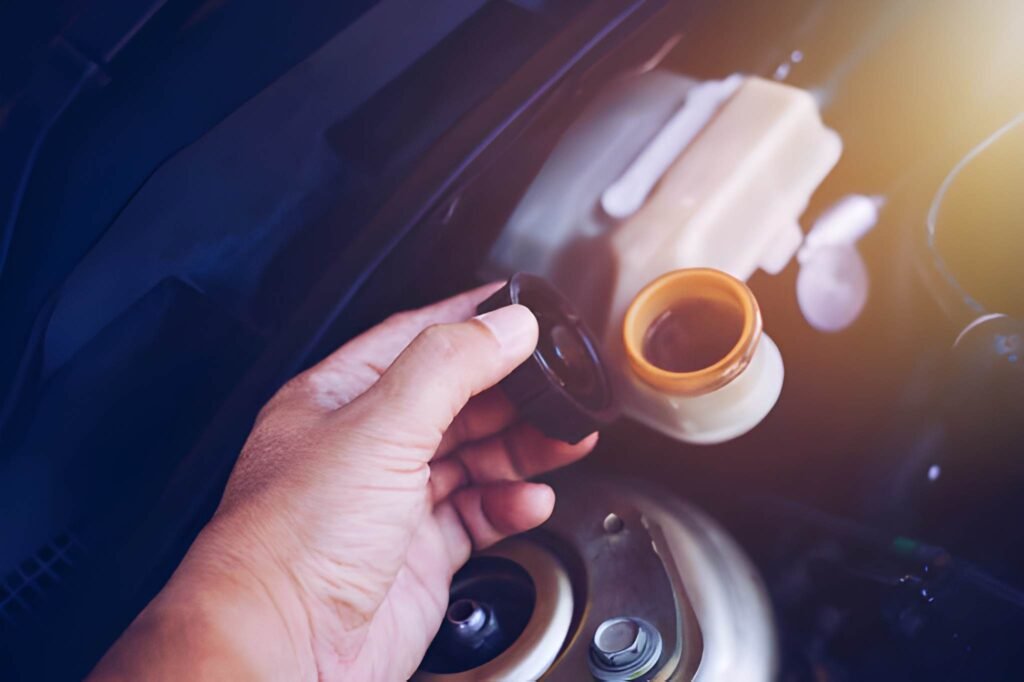
Your first step is to check the brake fluid level. Typical placement of the brake fluid reservoir is towards the back of the engine bay, driver side of the car. If you notice the level is low, you can top it off with the right brake fluid. Make sure you check the manufacturer’s recommendation so you use the right brake fluid.
2. Investigate Any Potential Leaks
If any fluid levels are low, check to see if there are any leaks. If you find a leak, get it repaired. Driving without repairing a leak can be dangerous, especially if it’s a leak in the brake fluid; it can heavily impair the braking system.
3. Look for Worn-Out Brake Pads and Rotors
If fluid overheats, it can burn, resulting in the smell of burnt fluid. This can happen if there is too much friction from the brake pads and rotors which can be the result of an overheating brake system. Check the brake pads for any damages or signs of wear and the rotors as well.
4. Getting Help From the Mechanics
When the leak source is unidentifiable, or if there’s still a leak despite repairing it, it is better to go to a mechanic. If you’re experiencing an overheating brake fluid or a leak, it’s crucial to address the problem right away.
How to Prevent Brake Fluid Smell Issues
Preventing problems with the smell of brake fluid certainly begins with the right maintenance, and below are some actions that can be taken to avoid brake fluid smell problems.
1. Checking Fluid Levels: The levels of brake fluid have to be checked individually. Make it a habit to do this every few months or in coinciding with your car’s service. If there are any signs that brake fluid is nearing the low side, add some right away.
2. Change Brake Fluid Periodically: Depending on manufacturer guidelines, car brake fluid should be changed once every one to two years. Brake fluid absorbs moisture as time passes and can become less effective. If the fluid is not changed, it could overheat and produce a burnt smell.
3. Flush Brake System Regularly: In order to maintain the quality of the braking system, a brake fluid flush should be done to remove all old and contaminated brake fluid. The replacement of contaminated fluid can relieve overheating and corrosion.
4. Avoid Overuse of Brakes: To prevent burning of a brake fluid, avoid heavy braking in order to not overheat the brakes. This is especially true if driving in heavy traffic or on steep hills, as doing so should be avoided.
Related Article
Toyota Brake Fluid Manufacturers
Frequently Asked Questions
Here are some FAQs about brake fluid smell –
1. Can burnt brake fluid smell like other things apart from sweet?
Sure, the condition of a brake fluid can change its smell. The sweet, burnt smell can indicate overheating or fluid contamination.
2. How often should I change my brake fluid?
Depending on the constellation of your driving, brake fluid needs to be changed every 20,000-45000 miles, or 1 to 2 years. The brake fluid will determine how frequent these changes will be.
3. Are the symptoms associated with sweet-smelling brake fluid serious?
Yes, brake fluid has a chemical sweet odor associated with the generic chemical composition.
4. When brake fluid burns, what does it smell like?
A chemical odor of burnt rubber or plastic. It signifies the brake fluid has burned due to extreme heat/ a lot of friction.
5. What are the symptoms of a brake fluid leak?
A brake fluid leak can be detected with a sweet smell associated with the tires or under the vehicle, brake pedal goes spongy, a puddle of fluid, or any fluid stain.
Conclusion
The smell of brake fluid should always be taken seriously. Sweet-smelling brake fluid is a sign of new brake fluid getting old. If the smell is of burnt brake fluid, it means the brakes are getting too hot. It is important to keep brakes in good working condition to drive the car safe. The sweet smell of the brake fluid, or the smell of burnt brake fluids should be detected quickly, so there is no danger in the working of the brakes.


