


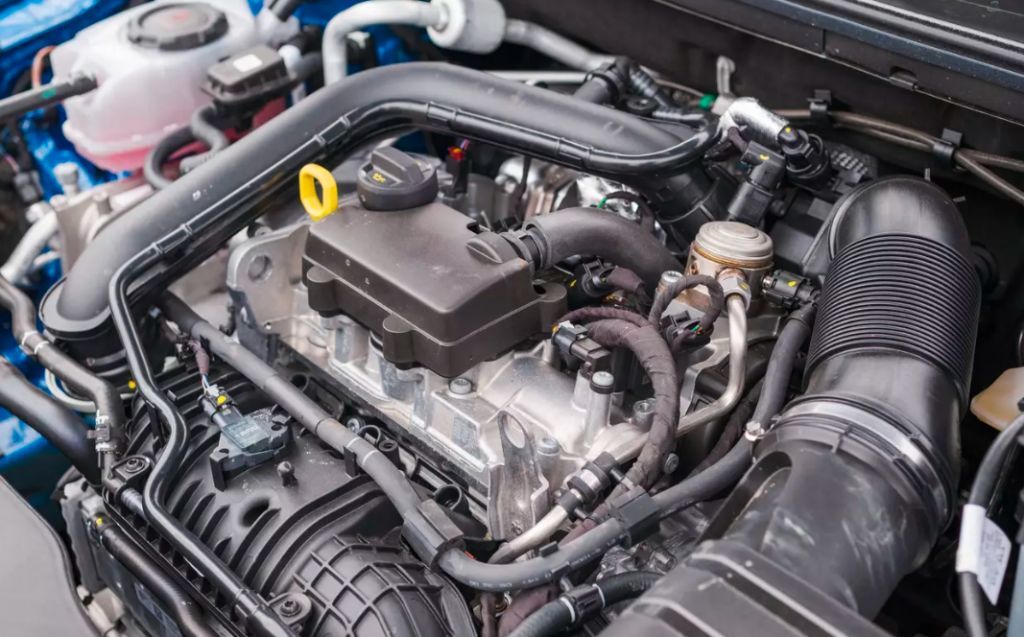
Engine spec refers to identifying the key technical details of a vehicle’s engine, including displacement, horsepower, torque, number of cylinders, and fuel type. Knowing these specs helps with maintenance, parts replacement, performance upgrades, and understanding how the engine performs.
Every vehicle has a unique heart, and knowing exactly what beats inside makes a world of difference. When someone asks, “what engine spec is my car,” the answer unlocks vital details for proper maintenance, correct parts ordering, and understanding performance. Many people view engines as mysterious boxes of metal and wires. However, these complex machines are defined by specific numbers and terms that dictate their behavior.
This blog post simplifies those technical aspects. This information helps with everything from choosing the right oil to evaluating a car’s resale value. By the end of this journey, finding these specs will be easy. This guide covers how to use unique vehicle identification, official manuals, physical labels, and reliable digital tools. Knowing these specs puts power back in the driver’s hands.

Contents
- 1 What Are Engine Specifications?
- 2 Why Knowing Engine Specs Matters
- 3 Methods to Identify Engine Specs
- 4 Understanding Engine Spec Terms in Detail
- 5 Examples of Engine Specifications
- 6 Step-by-Step Guide: How to Read Engine Labels and VIN Codes
- 7 Common Mistakes to Avoid
- 8 Tips for Beginners
- 9 Frequently Asked Questions
- 10 Conclusion
What Are Engine Specifications?
Think of engine specifications as the car’s identity card. They are a set of standardized measurements and descriptive terms. These details provide a technical snapshot of how the motor operates and what it is capable of doing. When we ask, “what engine spec is my car,” we are essentially asking for a physical and operational description of the powerplant.
Several key pieces of data make up a full set of engine specs. The most common and useful include:
- Engine Size or Displacement: This number tells how much total volume all the engine’s cylinders have. It is usually measured in liters (L) or cubic centimeters (cc), like a “2.0-liter engine.” This often correlates directly with the engine’s power potential and its appetite for fuel.
- Horsepower (HP): This is the classic measurement of power. Horsepower dictates how fast the vehicle can go and how quickly it can sustain high speeds. More horsepower generally means a higher top speed and stronger acceleration once the vehicle is already moving.
- Torque: Often confused with horsepower, torque is the measurement of twisting force. This is the grunt one feels when starting from a dead stop or when towing a heavy load. A high-torque engine feels very responsive at low speeds.
- Number of Cylinders: This is the count of individual ‘power chambers’ inside the block where the fuel burns. Most passenger cars have four, six, or eight cylinders. More cylinders often provide a smoother operation and more power.
- Fuel Type: Does the vehicle drink gasoline, diesel fuel, or something else? This is critical. Using the wrong fuel causes catastrophic damage.
- Turbocharging or Forced Induction: This tells if the engine has extra components, like a turbocharger or a supercharger. These devices pump more air into the cylinders to create larger explosions and generate significantly more power from a smaller size.
Each specification plays a unique role in how the vehicle drives, how often it needs maintenance, and what kind of oil or spark plugs are needed for repairs.
Why Knowing Engine Specs Matters
Knowing the precise engine details is not just for enthusiasts. It is practical knowledge that saves money and prevents frustration. When a driver knows, “what engine spec is my car,” they have a master key for vehicle ownership.
Maintenance and Repair: This is the most significant daily benefit. The engine determines everything from the exact type and viscosity of oil required to the gap on the spark plugs. A ‘3.5L V6’ engine often uses different filter types than a ‘2.0L Inline-4’ in the same vehicle model year. The wrong fluids or parts can cause malfunctions or complete engine failure.
Choosing the Right Parts: Automotive retailers stock millions of components. Many parts look similar but are non-transferable between different engine types. Even a slight variation in displacement or cylinder count can mean a starter motor, alternator, or belt will not fit. Having the correct specs ensures accurate part lookup the first time.
Performance Tuning or Upgrades: For those looking to increase their vehicle’s speed, efficiency, or towing capacity, the initial specifications are the baseline. Modifications must be compatible with the stock block, fuel system, and internal components. One cannot effectively plan an upgrade without knowing the engine’s starting point.
Buying, Selling, or Comparing Vehicles: When in the market, specs allow a head-to-head comparison. One can weigh a high-efficiency small motor against a larger, more powerful one. When selling, providing accurate specs builds trust and ensures the buyer knows exactly what they are purchasing.
Insurance and Resale Considerations: Insurance providers often calculate premiums based on the vehicle’s risk, which is tied to performance. A sports car with a large, high-horsepower V8 generally costs more to insure than a sedan with a frugal four-cylinder. Likewise, a well-documented service history that references the correct engine specifications can boost a car’s resale value.
Methods to Identify Engine Specs
Luckily, this information is not truly hidden; it is strategically placed for those who know where to look. Several foolproof methods can reveal exactly “what engine spec is my car.”
4.1 Vehicle Identification Number (VIN)
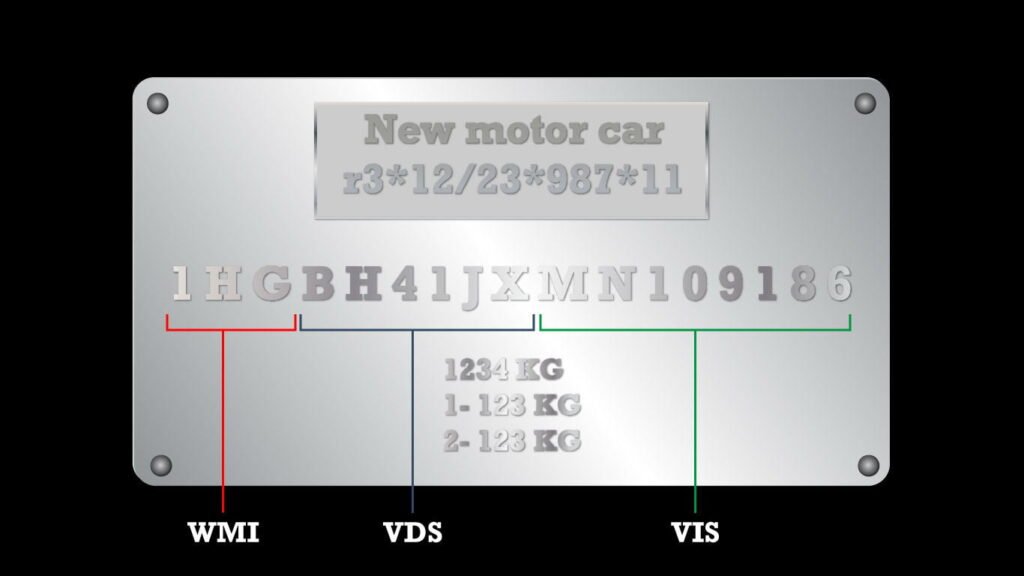
The most robust and unique way to identify an engine is through the Vehicle Identification Number (VIN). This 17-character alphanumeric code is like the vehicle’s social security number. It contains coded details about the manufacturer, manufacturing plant, body style, and, crucially, the engine. The engine information is typically embedded within the fourth through eighth characters. By decoding these specific characters, one can determine the exact engine family and configuration that the factory installed.
The easiest way to make use of this is by employing online VIN decoders. Many official government websites and reputable automotive organizations offer free tools. A driver simply enters the 17 characters, and the tool translates the code into a plain-English list of specifications. These details often include displacement, cylinder count, horsepower, and fuel system type. It is essential to double-check that the VIN entered matches the one on the physical vehicle to ensure accuracy.
4.2 Owner’s Manual
The official documentation that came with the vehicle is a definitive resource. All owner’s manuals include a section, often at the back, titled ‘Specifications’ or ‘Technical Data.’ This area is a goldmine. It contains tables that break down every aspect of the engine, including precise displacement to the decimal place, the exact cylinder configuration (such as Inline-4), fuel tank capacity, and the recommended type of motor oil.
If the physical manual is missing, don’t worry. Manufacturers often provide free PDF versions on their official websites for recent models. These are fully searchable. One can simply search for “specifications” or “engine data” within the digital document. This ensures that the specs being read are for the correct vehicle trim level, which can vary wildly.
4.3 Under-Hood Labels
For a direct, hands-on check, pop the hood. Every modern car must have an emissions and vehicle information label. Manufacturers place this durable sticker in a prominent location, like on the underside of the hood, on the radiator support bar, or on one of the inner fender panels. This label is packed with information that identifies the engine family.
The most critical details for identifying specs are the “Engine Displacement” and “Engine Family” lines. This label provides the factory-certified specifics for that exact engine. It is the definitive word, especially for cars that may have had a motor swapped at some point in their life. Look for a bold, larger font section with these headings.
4.4 Registration and Insurance Documents
In many regions, basic engine specifications, such as the size (e.g., “1.8L”) and fuel type, are printed directly on official state registration and insurance cards. This information is derived from the VIN at the time of purchase. While not as detailed as a decoded VIN or manual, this documentation provides a good, quick starting point.
It is a good habit to verify that the numbers on these documents match the physical markings on the vehicle and the manual’s listings. This helps catch any data entry errors that could lead to ordering the wrong parts or miscalculating insurance premiums.
4.5 Online Car Spec Tools
In the digital age, a simple web search can often provide instant answers. Websites like Edmunds, KBB, or even some dedicated forums and ‘VIN decoder’ apps can quickly find engine specs. You only need to input the vehicle’s make, model, year, and, sometimes, the trim level.
While highly convenient, online tools have a major drawback: they rely on databases that can have errors. A “Base” model of a vehicle may only have one engine listed, while a “Sport” trim might have multiple options. Therefore, it is always best to cross-check this information with the VIN, manual, or physical labels, especially when the vehicle has multiple engine possibilities or has been customized.
Understanding Engine Spec Terms in Detail
To truly answer “what engine spec is my car,” you need to understand the language. It isn’t difficult once you break it down.
Displacement: This is the measurement of the internal volume that the pistons sweep through as they move up and down in their cylinders. Displacement determines how much air and fuel the engine can ingest, which dictates its potential for power and efficiency. A “2.0-liter” engine, for instance, has a total internal volume of 2.0 liters across all its cylinders. Larger displacement typically means more power, but a smaller motor can also generate high power using turbocharging.
Horsepower: Horsepower is a measurement of work done over time. It is essentially the motor’s ability to move the car forward at a higher speed or to accelerate when the vehicle is already moving. Think of this as the engine’s “running speed.” The peak horsepower number often comes at very high engine RPMs (Revolutions Per Minute). A high horsepower figure is fantastic for track days, highway passing, or high-speed cruising.
Torque: Torque is the measure of rotational force. This is the grunt, the raw power that launches the vehicle from a complete stop. Think of this as the engine’s “starting strength.” While horsepower is for top speed, torque is for acceleration from low speeds and for heavy towing. Peak torque usually arrives much lower in the engine’s RPM range. A car with high torque feels powerful and responsive around town.
Cylinders: These are the heart of the engine, where combustion takes place. A “4-cylinder” engine has four chambers for this process. The count directly relates to the smoothness and balance of the engine, not just its power. A 4-cylinder is often more efficient and is perfect for compact cars, while a V6 or V8 provides a much smoother power delivery and refined sound, better suited for luxury vehicles and performance-oriented models.
Fuel Type: A simple but critical detail. Modern vehicles are designed for either gasoline, diesel fuel, or specialized blends. You will often see “Fuel Required” listed as “Regular Unleaded,” “Premium Unleaded (91+ Octane),” or “Diesel.” Using the wrong fuel causes major, expensive engine damage.
Engine Configuration: This refers to the arrangement of the cylinders in the block.
- Inline (or Straight): The cylinders are lined up in a single, perfectly straight row. Examples: Inline-4 (I4) and Inline-6 (I6). This is a simple and common layout.
- V-Type: The cylinders are arranged in two separate rows (called “banks”), which are set at an angle to each other. Examples: V6 and V8. This is a very popular configuration for its compact size.
- Flat (or Boxer): The cylinders are arranged in two opposing banks, lying flat and facing away from each other. They “punch” outward, which gives the configuration its name. Examples: Flat-4 (in Porsches and Subarus). This layout offers a low center of gravity.
- Rotary: A very different type of engine that uses a rotating triangular rotor inside a chamber instead of traditional pistons moving in cylinders. It is known for high RPMs but has seen limited mass-market production in vehicles like the Mazda RX series.
Turbocharged vs. Naturally Aspirated Engines:
- Naturally Aspirated (N/A): This means the engine “breathes” on its own, relying on standard atmospheric pressure to push air into the cylinders. These engines are simpler and are prized for their immediate and smooth power response. Think of most older, non-performance cars.
- Turbocharged (or Supercharged): These engines use a pump—a turbocharger powered by exhaust gases or a supercharger powered by the engine’s crankshaft—to compress and force-feed extra air into the cylinders. This creates significantly larger explosions, allowing small engines to produce power that rivals much larger, naturally aspirated ones. The result is a substantial boost in power and often, better fuel economy when not driving aggressively.
Hybrid and Electric Engines: The future of motoring is here.
- Hybrid Engines: A hybrid vehicle combines a conventional gasoline (or diesel) internal combustion engine with one or more electric motors and a high-voltage battery. The system intelligently switches between—or combines—the two power sources to maximize efficiency or performance. Example: A ‘2.5L I4 Hybrid.’
- Electric Engines (or Motors): Pure Electric Vehicles (EVs) have no internal combustion engine. Instead, they use powerful electric motors that are fueled by large battery packs. These vehicles have no displacement and no horsepower or torque measurements in the traditional sense, though automotive authorities are still developing standardized performance metrics for them.
Examples of Engine Specifications
Let’s bring this together with real-world examples. Here is how specifications change across vehicle types, showing exactly “what engine spec is my car” would look.
Example 1: Compact 2.0L Inline-4 (I4)
- Vehicle Type: Small sedans, like a Toyota Corolla or Honda Civic.
- Configuration: 4 cylinders in a single, perfectly straight line.
- Displacement: 2.0 Liters.
- Horsepower (HP): ~150-170 HP.
- Torque: ~145-160 lb-ft.
- Characteristics: These engines are known for their fuel efficiency, simplicity, and low maintenance costs. They provide adequate power for daily commuting but are not designed for performance or heavy hauling.
Example 2: 3.5L V6 for SUVs/Mid-Size Vehicles
- Vehicle Type: Vehicles like the Toyota Highlander, Honda Odyssey, or Ford Explorer.
- Configuration: 6 cylinders arranged in two banks, in a V-shape.
- Displacement: 3.5 Liters.
- Horsepower (HP): ~280-300 HP.
- Torque: ~260-280 lb-ft.
- Characteristics: V6 engines offer a significant jump in both power and smoothness. This configuration provides a strong blend of performance and decent fuel economy, making them ideal for heavier passenger vehicles and towing moderate loads.
Example 3: High-Performance 5.0L V8
- Vehicle Type: Muscle cars and large trucks, like the Ford Mustang GT or Ford F-150.
- Configuration: 8 cylinders arranged in two banks, in a large V-shape.
- Displacement: 5.0 Liters.
- Horsepower (HP): ~450+ HP.
- Torque: ~410+ lb-ft.
- Characteristics: These large engines are all about powerful performance and raw grunt. The V8 offers substantial towing capacity and strong, immediate acceleration, accompanied by a signature V8 sound. They prioritize power over maximum fuel efficiency.
Step-by-Step Guide: How to Read Engine Labels and VIN Codes
For the ultimate detailed breakdown, here is a step-by-step process for a physical check to determine “what engine spec is my car.”
Part 1: Finding and Reading the Under-Hood Label (Easiest Method)
- Pop the Hood: Locate and pull the hood release latch, usually inside the vehicle on the lower left of the dashboard. Go to the front of the car, find the secondary release lever, and open the hood. Use the prop rod to secure it.
- Scan for the Sticker: Look around the engine bay. The label is often on the underside of the hood, on the large metal radiator support bar, or on an inner fender. It will be a distinct, rectangular white sticker with lots of black text. Clean it gently with a rag if it’s dirty.
- Find the Title: The sticker will be titled “VEHICLE EMISSION CONTROL INFORMATION” or similar.
- Identify the Liter Size (Displacement): Find a line that says “ENGINE DISPLACEMENT” or something very similar. There will be a number next to it, like “2.0L” (two liters). This is the key piece of data.
- Locate the Engine Family: Find a line labeled “ENGINE FAMILY” or “EF” for short. Next to it will be a long, alphanumeric code. This code is critical for ordering complex parts or performing repairs.
- Find the Cylinder Count: While sometimes not explicitly stated, you can look for other labels like “4-CYL” or count the number of spark plug coils or wires on top of the engine to confirm the cylinder count.
Part 2: Locating and Decoding the VIN (Most Reliable Method)
- Find the VIN: The Vehicle Identification Number is located in several places. The easiest to read is from outside the car, looking through the bottom corner of the windshield on the driver’s side. There will be a metal plate with 17 characters.
- Verify It: Make sure all 17 characters are correct by cross-checking with your state vehicle registration card or insurance document.
- Understand the Structure: The characters 4 through 8 on the VIN identify the engine type. For example, if the VIN is
1J4BA33**1**5Y123456, theAin the fifth position and the3in the seventh position are the keys to identifying that specific engine’s code for a certain manufacturer. - Decode Online: This is the most beginner-friendly way. Go to a reputable free VIN decoder (like AutoZone, Driving-Tests, or the National Highway Traffic Safety Administration – NHTSA.gov). Simply type the complete 17-character VIN into the search bar.
- Review the Specs: The tool will generate a full, easy-to-read report. It will clearly list the Engine Type, Displacement (like 2.0L), Cylinder Count, Horsepower (HP), and Fuel Type. This confirms your earlier search.
Common Mistakes to Avoid
When trying to find out “what engine spec is my car,” it’s easy to fall into a few traps. Here is what to watch out for.
- Guessing Based on Badges or Appearance: Do not trust the plastic trim piece on the trunk or grille. Many “Sport” or “V6” badges can be added or are misleading. A “V6” badge might just be a styling package on a four-cylinder car. Conversely, a vehicle might be missing a badge it should have. Always verify with the VIN or manual.
- Ignoring the VIN Entirely: The Vehicle Identification Number is the only source that is guaranteed to match the exact vehicle. Looking at a manual for a general “2019 Camry” might give you specs for the base I4 engine, while the specific car has the optional V6. Decoding the specific VIN prevents this error.
- Using a Single, Non-Verifiable Source: Don’t rely solely on one online spec tool or a forum post. Databases can be incorrect. The smartest method is to use multiple sources for verification. For instance, find the displacement on the under-hood label, then use an online VIN decoder. When both agree, you know you have the correct information.
- Ignoring regional differences: Vehicles built for a specific market (e.g., California vs. the rest of the US, or European vs. North American versions) may have entirely different engine specifications, despite having the same name and year.
Tips for Beginners
Finding this information is easier than you think, but here are some tips to make it even more manageable.
- Record Your Engine Specs for Future Use: Once you have decoded the information and know “what engine spec is my car,” write it down. Keep a small card in your wallet or a dedicated section on your phone with the key specs: displacement (e.g., 2.0L I4), the engine code, peak horsepower, and the recommended oil viscosity (e.g., 5W-20). This is incredibly useful for on-the-spot maintenance decisions.
- Understand How Specs Affect the Driving Experience: The next time you drive, try to notice how the numbers translate to a feeling. The “grunt” you feel when pulling away from a stoplight is a direct result of the engine’s torque. The way the car effortlessly passes another on the highway is a display of its horsepower. This can help you understand what you prefer in your next vehicle.
- Checking Compatibility for Modifications or Replacement Parts: When the time comes for new spark plugs, an air filter, or any custom part, always look up the component using your specific engine code and displacement (found on the under-hood label). Do not just search by the vehicle year and model, which can be inaccurate for critical engine components.
Related Article
Vehicle Model by VIN
How to Find Owner of Car by VIN?
Car History by VIN
Frequently Asked Questions
Here are the most common questions people ask when trying to figure out the details of their vehicle’s motor.
1. Can the VIN reveal every engine detail?
Yes, the VIN is a unique code for the vehicle. Entering this 17-character string into a free online decoder is the fastest way to answer “what engine spec is my car.” It will show the displacement, cylinder count, and fuel type.
2. Where can the VIN be found quickly?
The easiest spot is the driver’s side dashboard, visible through the windshield from the outside. The code is also printed on the vehicle registration card and the sticker inside the driver’s side door frame.
3. What should be done if the owner’s manual is missing?
Most manufacturers host free PDF versions of manuals on their official websites. If that fails, look for the emissions label under the hood. This sticker lists the engine family and size.
4. Does the size of the engine change gas mileage?
Generally, a smaller engine uses less fuel because it has less volume to fill. However, modern technology like turbocharging allows small engines to have high power while keeping fuel use low.
5. Are online specification tools always accurate?
Websites are very helpful but can occasionally contain errors. To be safe, always compare the information from a website with the physical labels found on the actual car.
Conclusion
Knowing what engine spec is my car helps every driver handle maintenance and repairs with confidence. By using the VIN, manual, or labels, finding these details is quick and easy. This simple step ensures the right parts are bought and improves the vehicle’s resale value. Keeping these specs handy provides peace of mind for the long road ahead.


