


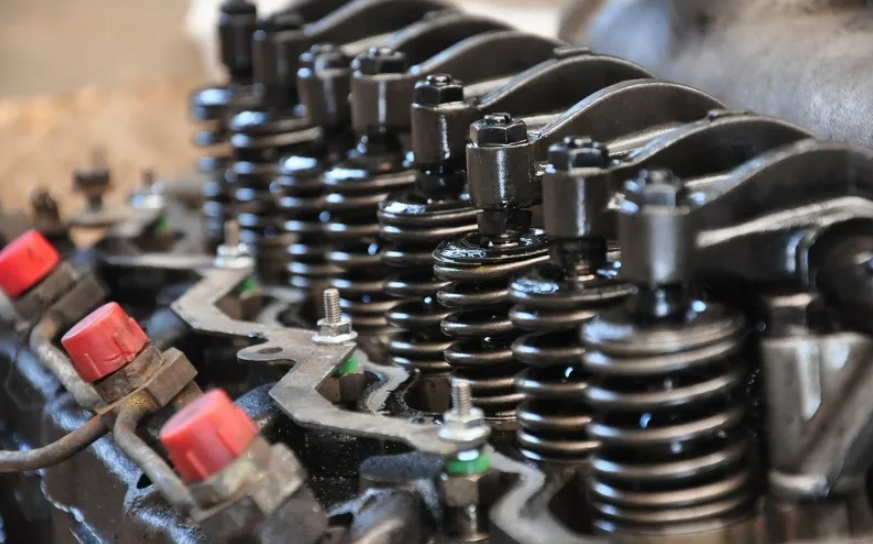
A lifter is a small but critical component in the engine’s valve train system. Its main function is to transfer the motion from the camshaft to the engine’s valves, ensuring they open and close at the right time. Lifters help regulate the timing of valve operation, which is essential for proper air intake and exhaust during the engine’s combustion process. Although they may seem small and inconspicuous, lifters are integral to maintaining the engine’s efficiency, performance, and longevity.
In this detailed guide, we will explore the role of lifters in an engine, how they work, their types, common problems, maintenance, and much more. We’ll also discuss how lifters influence the performance of different engine types, from daily commuters to high-performance race cars.

Contents
What Is the Role of a Lifter in an Engine?
The lifter plays a crucial role in the engine’s valve timing system. The engine relies on precise synchronization between the camshaft and the valves, and this is where the lifter comes in. It transfers the rotational movement of the camshaft to the up-and-down motion needed to open and close the intake and exhaust valves at the proper intervals.
The process works as follows:
- The camshaft rotates, and its lobes push against the lifters.
- The lifter then moves up and down as a result of the camshaft’s shape, which pushes the lifter into contact with the push rods or directly with the valve stem.
- This motion helps to open and close the engine’s valves, allowing air and fuel to enter the combustion chamber and exhaust gases to exit during the power stroke.
Lifters are vital for smooth engine operation, as improper valve timing can result in poor performance, reduced fuel efficiency, or even engine damage.
How Does a Lifter Work?
The way a lifter works depends on its type. Below is a breakdown of how different types of lifters function:
1. Hydraulic Lifters
Hydraulic lifters are the most common type of lifter used in modern vehicles. They operate using engine oil pressure to automatically adjust for any changes in the valve clearance, thus maintaining a zero valve lash. This design allows the lifter to compensate for wear and temperature changes without needing manual adjustments.
Working Mechanism:
- Hydraulic lifters have a small internal plunger that moves within the lifter body. The plunger is controlled by oil pressure and adjusts to maintain a constant gap between the camshaft lobe and the valve.
- When the camshaft rotates, the oil inside the lifter pushes the plunger upward, making contact with the valve train components (either the pushrod or directly the valve stem).
- The internal plunger then compresses the oil, ensuring the lifter operates quietly and maintains constant clearance.
Hydraulic lifters are highly favored in modern engines due to their self-adjusting nature, which reduces maintenance needs. They are quieter, more durable, and help reduce engine noise.
2. Mechanical (Solid) Lifters
Mechanical or solid lifters do not use oil pressure to adjust the clearance. Instead, they are manually set to the correct valve clearance during engine assembly or maintenance. They do not have any internal plunger mechanism, so the lifter itself maintains direct contact with the camshaft lobe.
Working Mechanism:
- Solid lifters move up and down, following the shape of the camshaft lobe.
- As the camshaft rotates, the solid lifter rides along the lobe, transferring the motion to the valve train system.
- Since solid lifters do not self-adjust, they require periodic valve lash adjustments to compensate for the natural wear and tear that occurs over time.
Solid lifters are primarily used in performance engines, where precise valve timing is required, and where the engine operates at high RPMs. They provide better control and performance in such environments. However, they are noisier and require more maintenance than hydraulic lifters.
3. Roller Lifters
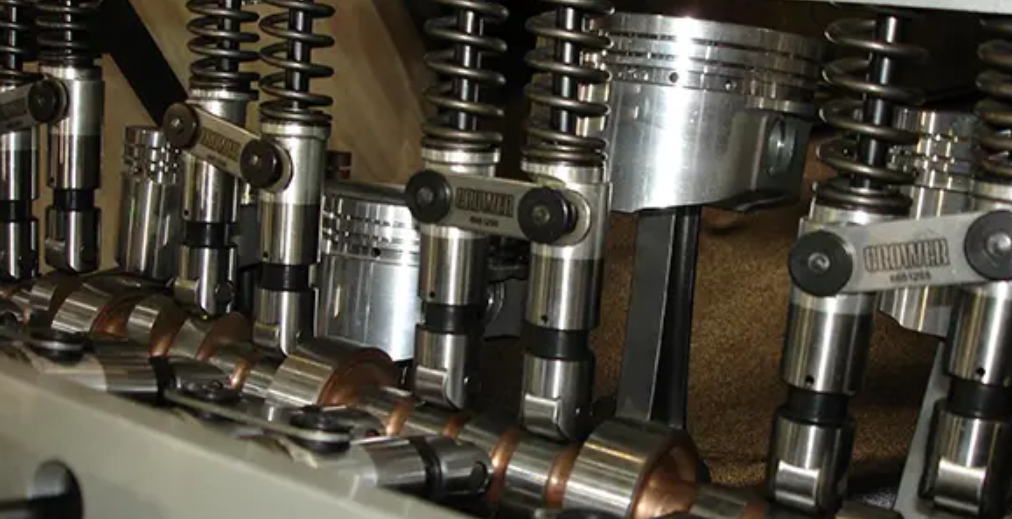
Roller lifters are a type of hydraulic or mechanical lifter that uses a roller or small wheel to follow the camshaft lobe. The roller reduces friction between the camshaft and lifter, improving performance and increasing the engine’s ability to operate at higher speeds without excessive wear.
Working Mechanism:
- Roller lifters use a small wheel or bearing that rolls along the camshaft lobe, reducing friction and wear.
- This design helps improve engine efficiency and performance by minimizing energy loss that occurs in conventional solid or hydraulic lifters.
- Roller lifters are commonly found in high-performance engines, where smooth operation at higher RPMs is essential.
These lifters are highly advantageous in performance engines, as they allow for higher RPMs and better throttle response.
Types of Lifters in an Engine
There are various types of lifters used in modern vehicles, each with its own unique advantages. These types include:
Hydraulic Lifters
Hydraulic lifters are the most common and provide a quiet, self-adjusting system that doesn’t require regular valve lash adjustments. They are ideal for daily-driven vehicles that require low-maintenance operation.
Mechanical (Solid) Lifters
Mechanical lifters are used in high-performance engines. While they require periodic adjustments, they offer greater precision and are less prone to wear.
Roller Lifters
Roller lifters are generally used in high-performance engines or racing cars. Their design reduces friction and enables smoother operation at higher RPMs.
Common Problems with Lifters
Lifters can face several issues, some of which might indicate more serious engine problems. Common lifter problems include:
1. Lifter Noise
One of the most common signs of a failing lifter is ticking or tapping noise coming from the engine. This can be caused by low oil pressure, oil contamination, or a worn-out lifter.
- Possible Cause: Lack of oil, clogged lifter, or internal wear.
- Solution: Change the oil and oil filter, check for debris, and ensure proper oil pressure.
2. Engine Misfires or Rough Idle
If a lifter is stuck or not working properly, it may cause the valves to open at the wrong time, resulting in misfires, rough idle, or poor engine performance.
- Possible Cause: Worn-out lifter or damaged camshaft.
- Solution: Inspect and replace the lifter or camshaft if necessary.
3. Loss of Power
A malfunctioning lifter can cause improper valve timing, leading to a loss of engine power or poor acceleration. This typically happens if a lifter fails to open the valve at the correct time.
- Possible Cause: Faulty lifter or camshaft misalignment.
- Solution: Replace the damaged lifter or inspect the camshaft for issues.
Maintenance and Lifters
Lifters require minimal maintenance if hydraulic lifters are used. However, they still rely on clean, fresh oil to maintain proper function. Over time, solid lifters require periodic valve lash adjustments, and roller lifters require cleaning and lubrication.
- Oil Change: Regular oil changes ensure the hydraulic lifters stay functional and free of contaminants.
- Adjustment: Solid lifters need adjustment after a certain amount of miles or engine hours to keep proper valve lash.
- Cleaning: Roller lifters require regular cleaning to prevent carbon buildup, especially in high-performance engines.
Related Article
How Hot Should Engine Be for Tappet Clearances?
Frequently Asked Questions
Here are some FAQs about lifters in an engine –
1. What is a lifter in an engine?
A lifter is a component in the engine’s valve train that transfers motion from the camshaft to the engine’s valves, ensuring they open and close at the right time.
2. What types of lifters are there?
There are hydraulic, mechanical (solid), and roller lifters, each with its own advantages for different engine types and performance needs.
3. How do hydraulic lifters work?
Hydraulic lifters use oil pressure to automatically adjust for valve clearance, reducing maintenance needs and engine noise.
4. What are the signs of a bad lifter?
Common signs of a bad lifter include ticking or tapping noises, misfires, and a rough idle due to improper valve timing.
5. How can I maintain my lifters?
Regular oil changes, valve lash adjustments for solid lifters, and proper cleaning for roller lifters are key maintenance steps to keep lifters functioning properly.
Conclusion
A lifter is a small yet crucial component in the engine’s valve train, ensuring that the valves open and close at the correct time during each engine cycle. There are different types of lifters, such as hydraulic, mechanical, and roller lifters, each with distinct advantages. Lifters are vital for smooth engine performance, efficiency, and longevity.
Regular maintenance, including oil changes and valve lash adjustments, can help extend the lifespan of lifters and keep your engine running at its best. Whether you drive a standard commuter car or a high-performance sports car, understanding how lifters function is essential for keeping your engine in top shape.


