Engine braking is when a vehicle slows down using the engine’s resistance instead of the brake pads. It happens when the accelerator is released, creating resistance that helps decelerate the car.
Engine braking involves using the car’s engine to slow down the car instead of using the car’s braking system that relies on friction using brake pads. This is accomplished by closing the throttle valve after taking your foot off the gas so the engine itself builds compression. This compression is resistance and works against the car’s forward motion and slows the car. This is mainly done in cars with manual transmissions, but some automatics have engine braking systems too.
This is especially useful when going downhill because it saves brake wear, burns less fuel and gives the driver more control when the brakes are hot. In this article, we will look into the mechanics of engine braking and its role in modern cars.
Contents
What Is Engine Braking?
Engine braking employs a technique unlike that of brake pads. Instead of using friction to stop the wheels, the engine helps in decelerating the vehicle. When the accelerator is released, a throttle valve closes to restrict the flow of air into the engine. Even though the engine is still turning over, it will consume the air that is trapped in the cylinder and this will lead to a process of compression.
Along with the air compression, comes a form of resistance that will ultimately lead to a deceleration of the vehicle. The more the engine has to work to compress the air, the more resistance will be created, Leading to the vehicle’s further deceleration.
Deceleration Process:
Throttle Closure: When the accelerator is released, the throttle valves close, limiting the air and fuel inflow into the engine.
Increased Compression Resistance: With air and fuel restricted in the engine, it is further forced to compress the trapped air in the cylinder. The additional resistance will in turn slow the engine and the vehicle also.
Exhaust Valve Release: The exhaust valve is designed to open during the vehicle’s deceleration which helps in releasing the pressure that was built in the cylinder to allow the engine to further slow down.
The Role of Transmissions: In vehicles with manual transmissions, the driver can shift down to a lower gear, which increases the engine’s resistance. This, in turn, increases the braking power of the engine, helping to slow the car down more efficiently. In automatic vehicles, the transmission usually handles this process, although some automatic transmissions allow the driver to shift manually, helping to utilize engine braking more effectively.
Compression Resistance and Deceleration
The resistance of an engine’s compression during engine braking can be altered by the car’s gear, speed, and the engine’s revolutions per minute (RPM). The more an engine runs (the higher the RPM), the more compression there will be, resulting in stronger braking resistance. This is why engine braking is usually more effective at higher speeds or during steep descents, when more deceleration is required.
The Different Types of Engine Braking
There are lots of different types of engine braking, which vary in complexity and efficiency. Knowing the different types of engine braking will help a driver to choose the most effective method for a specific situation, such as going down a hill or driving in stop-and-go traffic.
Compression Release Engine Braking (Jake Brake)
A well-known example of engine braking is the compression release engine braking system that is part of the diesel engine used in trucks and big rigs. Here, the engine’s exhaust valves are opened during the compression stroke, which releases the compressed air in the cylinders. Rapid deceleration occurs because the engine cannot maintain the compression that propels the vehicle forward. This system is especially effective in large vehicles, where greater braking force is needed to control the vehicle’s speed.
Exhaust Braking
Exhaust braking is more like compression release engine braking in that the exhaust system is used to create more backpressure in the system, which offers additional resistance to slow the vehicle down. This process does not open the exhaust valves during compression, but rather creates more resistance and thereby slows the vehicle by restricting the flow of exhaust gases. Exhaust brakes are commonly used in large diesel trucks and are often used together with compression release brakes because of the greater effect of combining the two systems.
Dynamic Braking
To prevent an electric or hybrid vehicle from moving too fast, the electric motor must be utilized in the process called dynamic braking. Rather than using the ordinary engine, the motor acts as a generator and creates electricity from the vehicle’s kinetic energy. The energy is stored in the battery. This process also allows the vehicle to slow down without the use of the regular brakes and can even recharge the battery, which in some situations, can increase fuel efficiency.
Benefits of Engine Braking
There are a number of unique and diverse benefits to braking with the engine. These benefits are directly related to the safety and performance of the driver as well as the maintenance of the vehicle. Most importantly, it is valuable in preserving control in difficult driving situations, and understanding these factors will allow the driver to get the most from this unique characteristic.
1. Less Scraping of the Brake Pads
A major advantage of engine braking is the ability to reduce the amount of wear on a vehicle’s brake components. The pads and rotor of the brake system are damaged as a result of the brake system’s repetitive top-down friction actions. These components are designed to brake a vehicle, but in the process, they also take a lot of damage, and engine braking offsets the need to use brake components to achieve a slowdown.
2. Reducing Brake Fade
When driving downhill, some drivers will use the brakes excessively, which can cause brake fade due to the heat generated from the friction. This reduces the braking power. However, with engine braking, the driver will not have to use the brake pads as often, preventing the brake system from overheating.
3. Greater Control at Steep Docents
With engine braking, drivers can have better control of their vehicle as they descend steep hills. Using engine braking helps the driver maintain a controlled speed so that they do not go faster than they intend to. In addition, the brakes will not overheat as they will not have to be used as frequently.
4. Saving More Fuel
If a driver is going downhill or is coasting, they are in a good position to improve their vehicle’s fuel efficiency. In fact, if they have a modern car with electronic fuel injection, they will actually stop consuming fuel when the engine decelerates. This means they will be able to coast without using fuel while also engine braking.
5. More Gradual Deceleration
When using traditional brakes, there can be an abrupt stop that will cause a sudden deceleration of the vehicle. With engine braking, the deceleration will take place over a longer stretch of road. This allows the vehicle to slow down easily which can be beneficial when approaching turns or driving at a high speed.
When should you use engine braking?
Engine braking helps maintain vehicle control, increase safety, and decrease brake wear, but it is only useful in certain situations.
1. Driving downhill
Going downhill is one of the primary situations in which engine braking is useful. During long downhill stretches, using only the brake pedal can lead to brake fade, which is when the braking system gets so hot that it begins to lose effectiveness, which can lead to dire situations. In addition, engine braking helps maintain a steady speed.
2. Driving in traffic
In steady start-and-stop traffic, using the engine to brake helps maintain and save the brake pads and makes the overall driving experience less stressful.
3. Driving at a high speed
Driving at high speeds down a highway or freeway, you may need to reduce speed because of a vehicle in front and need to do so with control. Engine braking is helpful in these situations as it can help reduce speed gradually without causing jerks or sudden decelerations.
Engine Braking: How It Works in Automatics and Manuals
You can be surprised by the absence of explanatory books from the car manufacturers and the tech world in general regarding the function and use of engine braking. Knowledge of the different uses of engine braking can be put to use in different vehicles, regardless of whether they are manuals or automatics.
Manual Transmissions: Generally, braking in manuals is identified to be more effective and purposeful due to the driver being more in control of the gear selection. When a driver shifts to a lower gear, the resistance from the engine increases, bringing the vehicle to a stop more quickly. This is why engine braking is more commonplace in manual vehicles than automatics.
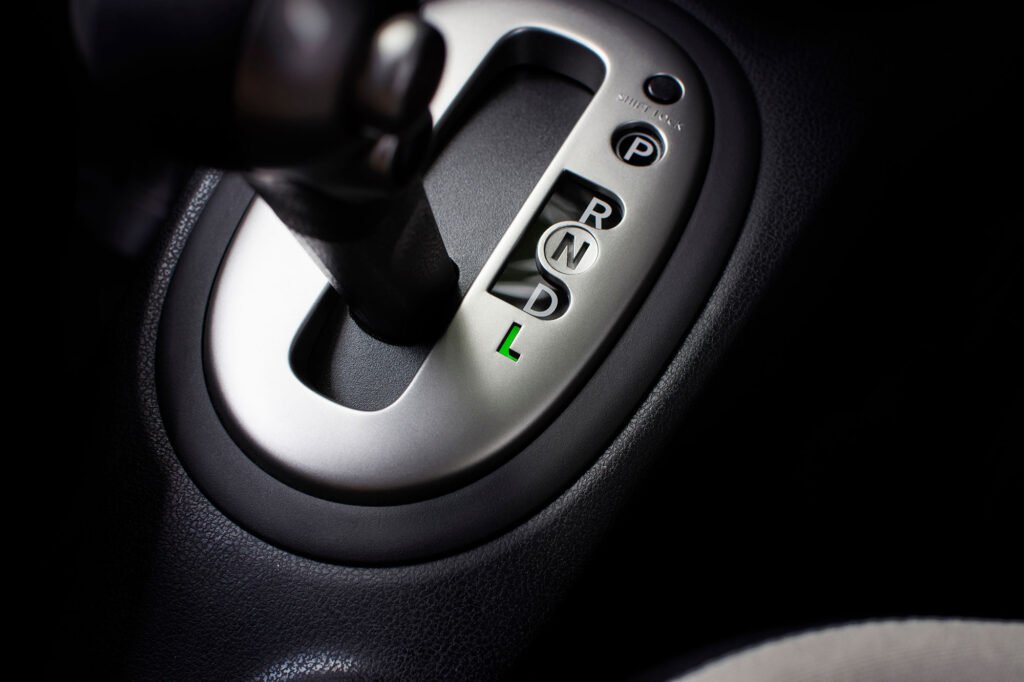
Automatic Transmissions: This is not to say that engine braking does not happen in automatics. It certainly does, but it is less obvious and effective compared to engine braking in manuals. Modern vehicles with automatics have a feature that allows the transmission to downshift whenever the vehicle is decelerating. This is not enough engine braking for some drivers, and that is why most automatics are now equipped with manual modes or paddle shifters that help the driver downshift for more effective engine braking.
The Downsides of Engine Braking
Though you can say that there are some obvious benefits that can be attributed to engine braking, there are also some downsides. Understanding the potential downsides of engine braking will help you plan for it when you are driving.
1. Noise Pollution: A big problem with large diesel trucks is the noise. Compression-release brakes (which people also call Jake brakes) make a loud, clattering noise that is very disruptive to people living in the area. Because of this, many towns and cities have noise restrictions that limit the use of engine brakes, especially at night.
2. Engine Strain: Engine braking can also cause unnecessary strain on the engine and other mechanical parts. While engine braking, especially in big and heavy vehicles, is safe to use on occasion, too much of it can lead to overheating and excessive wear and tear on engine components.
3. Limited Stopping Power: Emergency situations can also be a problem with engine braking, as although it can be used to slow a vehicle down, it is not a complete solution. To bring a vehicle to a complete stop, conventional brakes must be used.
Frequently Asked Questions
Here are some FAQs about engine brake –
1. What is engine braking?
In simple terms, engine braking is the process of using engine resistance to slow down the vehicle instead of using the traditional brakes.
2. When should I use engine braking?
Engine braking is more effective when the driver is going downhill, or in a traffic situation requiring the user to slow down frequently and gradually.
3. Can engine braking save fuel?
In some situations, engine braking can conserve fuel since the fuel supply is cut off when the engine is slowing down.
4. Is engine braking useful in automatics?
While engine braking is less felt in automatics, it still works. Usually, it works more in manual mode or when paddle shifters are used.
5. Does engine braking ruin your engine?
Engine braking is safe for your vehicle, but overdoing it can wear out your engine and more parts.
Conclusion
Engine braking is one of the techniques a driver can use to help slow a vehicle down without having to place excess wear and tear on the braking system. It allows the driver to smooth out the braking process, and can even save on fuel. While a driver will experience more control over engine braking in a manual transmission vehicle, a driver can also use the braking technique in automatic vehicles, especially with the newer manual mode or paddle shifter features. Recognizing the opportunities to use engine braking, especially when driving downhill or in stop-and-go traffic, is a valuable skill for every driver.