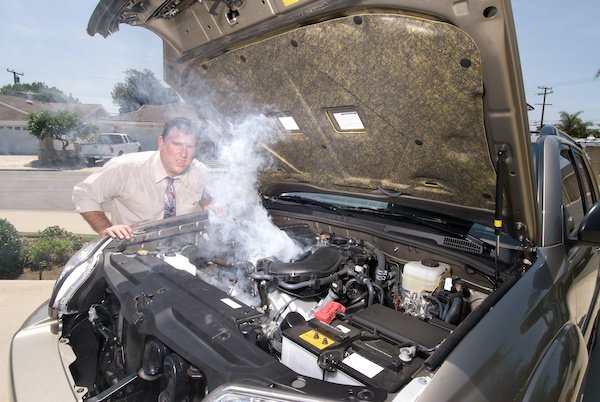
White smoke from engine typically indicates that coolant is leaking into the combustion chamber, often due to a blown head gasket, cracked cylinder head, or damaged engine block. If left untreated, this issue can lead to severe engine damage, so it’s important to diagnose and address the problem promptly.
Noticing white smoke coming from your vehicle’s engine can be alarming. While it is normal for vehicles to emit a little vapor during the initial moments of startup, persistent white smoke typically indicates a more serious issue, often related to coolant entering the engine. This could be the result of a blown head gasket, a cracked engine block, or even faulty fuel injectors. Ignoring this problem can lead to severe engine damage and costly repairs.
In this article, we will explore the common causes of white smoke from the engine, how to identify the root cause, and what steps you should take to address the issue before it becomes worse.
Contents
What Causes White Smoke from the Engine?
White smoke coming from the engine could be caused by several factors. Knowing the root cause is essential for determining the appropriate course of action. Here are the most common reasons why your vehicle might be emitting white smoke:
1. Coolant Leaks Into the Combustion Chamber
One of the primary causes of white smoke is coolant leaking into the engine’s combustion chamber. When coolant enters the combustion chamber, it is burned alongside the air-fuel mixture, producing thick white smoke from the exhaust. The major culprits behind coolant leaks include a blown head gasket, a cracked cylinder head, or a damaged engine block.
- Blown Head Gasket: A blown head gasket is the most common cause of coolant leaking into the combustion chamber. The head gasket seals the cylinder head to the engine block, ensuring that the coolant stays in the cooling system and the engine oil remains in the oil system. When the gasket fails, coolant can seep into the cylinders, causing white smoke. This issue is often accompanied by other signs, such as engine overheating, a loss of engine power, or coolant in the oil (which may appear milky). A blown head gasket is a serious issue that can lead to engine failure if left unaddressed.
- Cracked Cylinder Head: The cylinder head is responsible for housing the engine’s valves and camshaft. If the cylinder head becomes cracked—often due to overheating or age—the coolant may leak into the combustion chamber. This can result in the vehicle emitting white smoke. In addition to white smoke, you may also notice a loss of engine power, engine misfires, or strange engine noises.
- Cracked Engine Block: If the engine block is cracked, coolant can leak directly into the combustion chamber. Cracks in the engine block are more serious than issues with the head gasket, as the engine block is a critical component. A cracked engine block may occur as a result of excessive engine overheating, poor maintenance, or stress over time. It often leads to catastrophic engine failure, requiring costly repairs or replacement.
2. Condensation in the Exhaust System
When you first start your engine, especially in cold weather, it’s normal to see a small amount of white vapor coming from the exhaust. This is typically condensation in the exhaust system that evaporates as the engine warms up. This vapor is harmless and should disappear after a few minutes. If the white smoke continues for longer than this or if the weather is warm, it could indicate a more severe problem.
3. Faulty Fuel Injectors
Fuel injectors deliver the right amount of fuel into the combustion chamber for the engine to function. If one or more fuel injectors are leaking or malfunctioning, an excessive amount of fuel may be delivered to the engine. This can lead to incomplete combustion, which can cause white smoke from the exhaust. Other symptoms of faulty fuel injectors include poor engine performance, rough idling, or poor acceleration.
4. Worn Valve Seals
Valve seals are responsible for preventing oil from leaking into the combustion chamber. If the valve seals become worn or damaged, coolant may seep into the engine. This is a more common issue in older engines with high mileage. While this problem usually results in blue or gray smoke, it can also contribute to white smoke under certain circumstances. If the valve seals are the cause, you may only notice the white smoke during acceleration or heavy load conditions.
5. Overheating Engine
If your engine is overheating, it can cause a range of problems, including white smoke. Overheating can result in a blown head gasket, cracked cylinder head, or damaged engine block, all of which can lead to coolant entering the combustion chamber. Overheating can also cause immediate damage to other engine components, so it’s important to address the root cause of the overheating promptly. Common causes of engine overheating include a malfunctioning thermostat, a broken water pump, or a clogged radiator.
How to Diagnose White Smoke from the Engine
If you notice white smoke coming from the engine, it’s important to identify the cause quickly. Continuing to drive the vehicle without proper diagnosis can lead to further damage and more expensive repairs. Here are steps to help diagnose the issue:
1. Check the Coolant Level
The first thing to do is check the coolant level. If the coolant is low, it may indicate that coolant is leaking into the engine, which is causing the white smoke. It’s important to check the coolant reservoir and radiator. If the coolant is visibly low or the fluid appears contaminated (milky or discolored), it may be time to inspect the engine for more serious issues, like a blown head gasket.
2. Inspect the Exhaust Smoke
Take note of how the white smoke behaves. If the smoke is heavy and persistent after the engine warms up, it’s likely due to coolant entering the combustion chamber. White smoke that dissipates after a few minutes, however, is often just condensation and is usually not a cause for concern. Pay attention to the consistency and duration of the smoke to determine whether it’s a serious issue.
3. Examine the Oil
Check the engine oil to see if there is any coolant contamination. If the oil appears milky or has a creamy appearance, this is a clear sign that coolant is mixing with the oil. This happens when the head gasket fails, allowing coolant to enter the oil passages. Milky oil can lead to engine damage and must be addressed immediately.
4. Perform a Compression Test
A compression test is a useful diagnostic tool to determine if there is an issue with the internal components of the engine, such as the head gasket or cylinder head. The test measures the compression levels in each cylinder and can help identify if a particular cylinder is losing compression due to a failure in the head gasket. If the compression is low in one or more cylinders, it may be a sign of a blown head gasket or cracked cylinder head.
5. Check for Leaks Around the Engine
Inspect the engine bay for signs of coolant leaks. Look for puddles of coolant underneath the vehicle or wet spots around the cylinder head or engine block. If coolant is leaking from these areas, it’s likely that the head gasket or engine block is cracked. You should also check the radiator hoses, water pump, and radiator cap for any visible leaks or damage.
How to Fix White Smoke from the Engine
Once you have diagnosed the cause of the white smoke, it’s time to address the issue. Depending on the problem, there are several potential fixes. Here’s what you might need to do:
1. Replace a Blown Head Gasket
Replacing a blown head gasket is one of the most common repairs needed when white smoke is emitted from the engine. This is a time-consuming and expensive process, as the cylinder head needs to be removed to replace the gasket. A blown head gasket can also damage the cylinder head or engine block, which may require additional repairs. If you’re not familiar with engine work, it’s best to have a professional mechanic handle this repair.
2. Repair a Cracked Cylinder Head or Engine Block
If the cylinder head or engine block is cracked, these parts will need to be replaced. In some cases, the crack can be repaired using welding, but this is often not a viable solution for serious cracks. Replacing the cylinder head or engine block is a major repair and can be costly, especially if it involves the replacement of the engine block itself. It’s essential to address this issue as soon as possible to prevent further engine damage.
3. Replace Faulty Fuel Injectors
If the white smoke is caused by faulty fuel injectors, replacing the injectors will fix the issue. The injectors can be tested for leaks and performance, and any faulty injectors should be replaced. A mechanic will remove the faulty fuel injectors and install new ones to restore proper fuel delivery and prevent incomplete combustion.
4. Replace Worn Valve Seals
Worn valve seals should be replaced to prevent coolant from entering the combustion chamber. Replacing valve seals requires disassembling the engine, which can be a labor-intensive process. If the seals are the problem, it may be necessary to replace other components, such as the valves or valve guides, depending on the condition of the engine.
5. Fix Overheating Issues
If overheating is the cause of the white smoke, it’s important to address the root cause of the overheating. Common fixes include replacing a malfunctioning thermostat, repairing or replacing a broken water pump, or unclogging the radiator. Once the overheating issue is resolved, the engine should no longer emit white smoke.
Frequently Asked Questions
Here are some FAQs about white smoke from engine –
1. Why does my car emit white smoke from the exhaust?
White smoke is typically caused by coolant entering the engine and being burned in the combustion chamber. This is often due to a blown head gasket, cracked cylinder head, or engine block.
2. How can I tell if the white smoke is from coolant?
White smoke from coolant will usually have a sweet odor due to antifreeze. Additionally, if the oil appears milky or discolored, it’s a sign that coolant is mixing with the oil.
3. Can I drive with white smoke coming from the engine?
It is not recommended to drive with white smoke coming from the engine. It indicates a potentially serious issue, and continued driving can cause more damage to the engine.
4. What should I check first if I see white smoke?
Start by checking the coolant level and inspecting the oil for contamination. A compression test can also help diagnose if there’s a problem with the head gasket or cylinder head.
5. How much will it cost to fix white smoke from the engine?
The cost depends on the cause of the white smoke. Replacing a blown head gasket can cost between $1,000 and $2,500, while replacing a cracked cylinder head or engine block may be more expensive.
Conclusion
White smoke from the engine is a serious issue that should not be ignored. Whether it’s caused by a blown head gasket, cracked cylinder head, faulty fuel injectors, or engine overheating, diagnosing the issue early can save you from expensive repairs and prevent further engine damage. If you notice persistent white smoke from the engine, it’s best to have a professional mechanic inspect the vehicle and recommend the appropriate repairs. Fixing the problem promptly will ensure the longevity of your engine and keep your vehicle running smoothly.