Will bad brake booster cause pedal to go to floor? Yes, a bad brake booster can cause the brake pedal to feel soft or sink, but it’s usually due to reduced pressure rather than a complete failure.
When your brake pedal feels soft or travels all the way to the floor, it’s an alarming symptom that something is wrong with your vehicle’s braking system. One of the most common questions drivers ask when experiencing this issue is: Can a bad brake booster cause the pedal to go to the floor? Understanding the role of the brake booster, how it interacts with the rest of the braking system, and the other potential causes of pedal problems is essential for diagnosing the issue accurately.
In this detailed post, we will thoroughly explore how the brake booster works, how its failure can affect braking performance, other possible reasons for a sinking brake pedal, and how you can diagnose and resolve the problem.
Contents
How Does the Brake Booster Work?
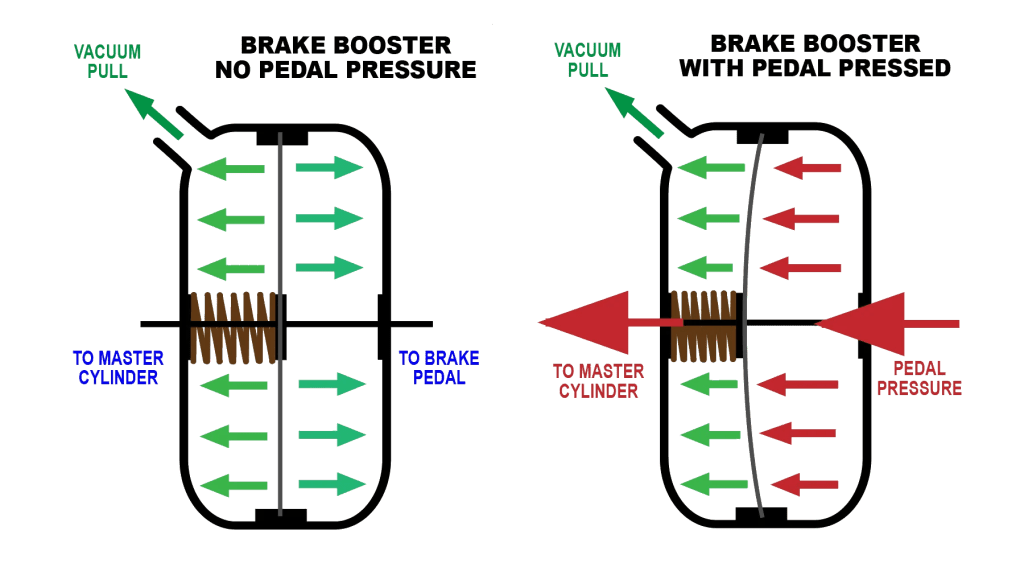
To understand how a bad brake booster can cause the pedal to go to the floor, it’s helpful to know how the system works as a whole. Here’s a detailed breakdown:
Step 1: Pressing the Brake Pedal
When you press the brake pedal:
- The pedal pushes a rod that connects to the brake master cylinder.
- The master cylinder generates hydraulic pressure by pushing brake fluid through the lines and into the brake calipers or wheel cylinders.
Step 2: Brake Booster Activation
While you apply pressure to the brake pedal, the brake booster activates by using vacuum pressure (generated by the engine) or hydraulic pressure (in some systems) to assist the pedal force. This makes the brake pedal much easier to press, allowing for smoother and more controlled braking.
- In vacuum-assisted boosters, a diaphragm inside the booster works in conjunction with the engine’s vacuum supply. A valve regulates this vacuum, controlling the assistance it provides to the brake pedal.
- The hydraulic booster, typically found in heavy-duty vehicles, operates similarly but relies on fluid pressure rather than vacuum.
Step 3: Pedal Pressure
When the brake booster is in good condition, the pedal pressure is light and smooth, making it much easier to apply the required braking force. A well-functioning booster allows for responsive braking with minimal pedal effort.
Will a Bad Brake Booster Cause Pedal to Go to the Floor?
Now, let’s address the main question: Will a bad brake booster cause the pedal to go to the floor? The answer is: Yes, but only in certain circumstances.
When the brake booster malfunctions, it can affect the brake pedal’s performance. However, a bad booster doesn’t always lead to the pedal going all the way to the floor. Instead, it is more likely to result in:
- A hard brake pedal, meaning it requires more effort to apply the brakes.
- A stiff or unresponsive pedal, making it harder to stop the vehicle smoothly.
- An increased stopping distance because of the reduced effectiveness of the braking system.
If the brake booster fails in a way that disrupts the hydraulic pressure or vacuum assist, the brake pedal might feel unusually soft or go to the floor. However, this is more often due to other issues such as:
- Leaking brake fluid
- Air in the brake lines
- Worn master cylinders
- Leaking brake hoses or lines
Symptoms of a Bad Brake Booster
A failing brake booster often produces symptoms that can help identify the problem. Here are the common signs of a bad brake booster:
1. Hard Brake Pedal
One of the most noticeable signs of a bad brake booster is a hard brake pedal. When the booster is not working correctly, the brake pedal will become much harder to press because the vacuum or hydraulic assist isn’t functioning properly.
- What to look for: If you press the pedal and feel resistance or the pedal doesn’t move as easily as usual, the brake booster could be the culprit.
2. Spongy Pedal Feel
Although the brake pedal will be harder to press, some people report that the pedal feels spongy or soft. This is because the vacuum assist is either weak or not present, leading to inconsistent brake fluid pressure.
- What to look for: If the pedal feels soft and takes longer to press to the floor than normal, or feels like it “pulses,” this is a sign of brake issues, possibly linked to the brake booster.
3. Hissing Noise
A hissing noise coming from under the dashboard or near the brake booster is a telltale sign that there’s a vacuum leak. A bad brake booster often leads to air escaping through a cracked diaphragm or a faulty check valve. This loss of vacuum pressure affects brake pedal response.
- What to listen for: If you hear a hissing sound while pressing the brake pedal, it’s likely that the brake booster is leaking air.
4. Stalling Engine
A serious vacuum leak caused by a bad brake booster can cause engine stalling or rough idle. This happens because the engine relies on vacuum pressure for other systems, such as the air conditioning and power steering. A booster failure disrupts this, causing the engine to struggle.
- What to look for: If you notice that your vehicle’s engine begins to idle roughly or stalls when braking, a vacuum leak in the brake booster is a strong possibility.
5. Pedal Sinks to the Floor
In some cases, the brake pedal can sink to the floor because the brake booster is not applying enough pressure to the master cylinder. However, this is more commonly caused by leaks in the brake system (such as a leaking master cylinder or brake lines) or air in the brake lines.
- What to look for: If the pedal gradually sinks to the floor when you apply the brakes, it is essential to check the brake fluid and inspect the entire brake system.
Other Possible Causes for Brake Pedal Going to the Floor
While a bad brake booster can be a cause of a pedal that sinks, there are other more common causes of brake pedal problems. These include:
1. Low Brake Fluid
One of the most common reasons for a sinking brake pedal is low brake fluid. When the fluid level is too low, there’s not enough hydraulic pressure to push the brake fluid through the system effectively. This causes the pedal to sink toward the floor.
- How to check: Check the brake fluid reservoir under the hood. If it’s below the recommended level, refill it and check for any leaks in the brake system.
2. Air in the Brake Lines
When air enters the brake lines, it creates air pockets that compress when you apply the brake pedal. This reduces the amount of force transferred to the brake pads, causing a soft or spongy pedal feel. This can also cause the pedal to sink further than usual.
- How to fix: Bleed the brake lines to remove any trapped air.
3. Worn or Leaking Master Cylinder
The master cylinder is the component that generates pressure in the brake system. If the seals inside the master cylinder wear out or leak fluid, it can cause the pedal to sink to the floor, as it’s no longer able to generate enough pressure.
- How to fix: Inspect the master cylinder for leaks or internal failure. If damaged, it may need to be replaced.
4. Leaking Brake Lines or Hoses
Leaking brake lines or hoses can also lead to a sinking pedal. Brake fluid leaks reduce hydraulic pressure, which causes the pedal to sink further.
- How to fix: Inspect the brake lines and hoses for leaks. If any are found, they should be replaced immediately.
How to Diagnose a Brake Booster Problem (Step-by-Step)
Diagnosing a brake booster issue involves a series of steps to determine if the booster is malfunctioning or if another component is causing the problem. Below is a simple, step-by-step guide to help you pinpoint the source of the brake pedal issue.
Step 1: Check the Brake Fluid
Start by checking the brake fluid level to ensure it’s adequate. Low fluid levels can cause the pedal to sink, but topping up the fluid can often resolve this. If the fluid level is low, inspect the brake system for leaks.
Step 2: Perform a Pedal Test
With the engine off, pump the brake pedal several times. After the fifth press, hold it down and check if the pedal sinks. If it does, the problem might be a master cylinder or brake line leak, rather than a brake booster issue. If the pedal stays firm, this could point to a brake booster problem.
Step 3: Inspect the Booster and Listen for Hissing
Start the engine and press the brake pedal. If you hear a hissing noise or notice the engine idling roughly, it could mean there’s a vacuum leak in the booster.
Frequently Asked Questions
Here are some FAQs about bad brake booster cause pedal to go to floor –
1. Will a bad brake booster make the brake pedal go to the floor?
Yes, a malfunctioning brake booster can cause the brake pedal to feel soft or sink further than usual, especially when there’s a vacuum or hydraulic failure. However, other issues such as low brake fluid, air in the lines, or a bad master cylinder are more common culprits.
2. How can I tell if the brake booster is bad?
A bad brake booster often results in a harder brake pedal that requires more effort to stop the car. You might also hear a hissing noise or notice that the engine stalls when braking.
3. Is a brake pedal that goes to the floor always dangerous?
Yes, a brake pedal that goes to the floor is a serious safety concern. It indicates a loss of hydraulic pressure or brake fluid, which can prevent the vehicle from stopping effectively.
4. Should I drive to a mechanic if the pedal feels soft?
It’s recommended to not drive if the brake pedal feels soft or sinks to the floor. The brake system might fail completely if the issue is not addressed immediately. Always have your vehicle towed to a repair shop.
Conclusion
In conclusion, a bad brake booster can cause the brake pedal to go to the floor, but this is not the most common cause. The more frequent causes of a sinking brake pedal are low brake fluid, air in the brake lines, worn master cylinders, and leaking brake components. However, a bad brake booster can certainly contribute to changes in pedal feel and should be investigated if you experience symptoms like a hard or unresponsive pedal, engine stalling, or hissing noises.
If your brake pedal feels soft or sinks to the floor, don’t delay getting the issue checked by a professional. Your brakes are critical for safety, and any braking issues should be addressed immediately.