Willys jeep engine identification begins by locating the stamped serial number on the engine block’s metal boss. This prefix reveals whether the motor is a classic Go Devil flathead or a taller Hurricane F-head. It is the best way to guarantee part compatibility and preserve historical value.
Getting the right parts for a classic vehicle starts with knowing exactly what is under the hood. Willys Jeep Engine Identification is a skill that helps owners, buyers, and restorers separate factory-original motors from later swaps. During the long life of these rugged machines, engines were often changed to keep the vehicles on the road. This means the engine in the frame today might not be the one that left the factory in 1945 or 1953. By checking serial numbers, casting marks, and physical shapes, a person can confirm the history of the machine.
This guide covers the famous Go Devil, the Hurricane, and the Super Hurricane engines. Understanding these details ensures the Jeep stays authentic and runs perfectly for years.
Contents
- 1 What is Willys Jeep Engine Identification?
- 2 History of Willys Jeep Engines
- 3 Why Engine Identification Matters
- 4 Methods for Engine Identification
- 5 Step-by-Step Identification Guide
- 6 Comparison Table of Engine Types
- 7 Case Studies / Examples
- 8 Maintenance & Restoration Implications
- 9 Frequently Asked Questions
- 10 Conclusion
What is Willys Jeep Engine Identification?
In the world of vintage vehicles, engine identification is the act of verifying a motor’s type, age, and origin. For a Willys, this involves more than just a quick glance. It is a detective process. A restorer looks for specific stamped numbers and raised metal codes. These markers tell the story of when and where the block was cast.
This process matters because Willys used several different engine designs over three decades. Some look similar but have internal differences. For example, a military MB engine and a civilian CJ-2A engine are both flatheads. However, the locations of their serial numbers are different. Collectors use Willys Jeep Engine Identification to prove a vehicle is “matching numbers,” which significantly boosts its market value. Mechanics use it to find the correct torque specs and gaskets. Without these details, a person might buy the wrong parts or set the timing incorrectly.
History of Willys Jeep Engines
The evolution of Willys engines reflects the transition from wartime necessity to civilian utility. Each design change aimed to provide more power or better efficiency for the driver.
4.1 Go Devil (L134) Engine
The Go Devil is perhaps the most famous small engine in history. It powered the Willys MB during World War II. This 134-cubic-inch motor is a “flathead” or L-head design. This means the valves sit in the engine block rather than the head. The top of the engine looks like a flat plate of metal with spark plugs sticking out.
It produces about 60 horsepower. While that sounds low, the torque is high at low speeds. This allowed the Jeep to crawl through deep mud and climb steep hills. The Go Devil was used in the MB, GPW, CJ-2A, and CJ-3A. To find the ID on an early military version, look at the front of the block. There is a small flat spot behind the water pump. On civilian versions, the number is usually on a boss behind the oil filter.
4.2 Hurricane (F134) Engine
As the 1950s arrived, Willys needed more power without making the engine much bigger. The Hurricane F134 was the solution. It kept the same 134-cubic-inch displacement but changed the valve layout. This is an “F-head” engine. The intake valves moved to the cylinder head, while the exhaust valves stayed in the block.
Because of the overhead intake valves, the Hurricane is much taller than the Go Devil. The hood of the Jeep CJ-3B had to be raised to fit this engine. It provides about 72 horsepower, a nice jump from the flathead. This motor is common in the CJ-3B, CJ-5, and the military M38A1. Willys Jeep Engine Identification for this model usually starts at a small triangular boss near the thermostat.
4.3 Super Hurricane (6-226) Engine
For the larger Willys Wagons and Trucks, a four-cylinder was not enough. The Super Hurricane is a 226-cubic-inch straight-six engine. Like the Go Devil, it is a flathead design. It is much longer and heavier than the four-cylinder motors. It produces 115 horsepower and huge amounts of torque. This made it perfect for hauling heavy loads or carrying a family across the country. It was the workhorse of the Willys lineup during the 1950s and early 1960s.
Why Engine Identification Matters
Finding the right ID for a motor prevents a lot of headaches. Here are the main reasons to get it right:
- Parts Accuracy: A fuel pump for a Go Devil will not fit a Hurricane. Knowing the ID ensures the parts store sends the right components.
- Historical Accuracy: Restorers want the Jeep to look exactly as it did in the showroom. An incorrect engine ruins the “time capsule” feel.
- Performance Knowledge: Different engines require different spark plug gaps and oil types.
- Resale Value: A buyer will pay more for a Jeep if the owner can prove the engine is period-correct.
- Insurance: Some classic car insurance policies require proof of the engine type for a guaranteed value payout.
Methods for Engine Identification
There are four main ways to figure out which motor is in the frame. Using all of them together gives the best results.
1. Using Serial Numbers
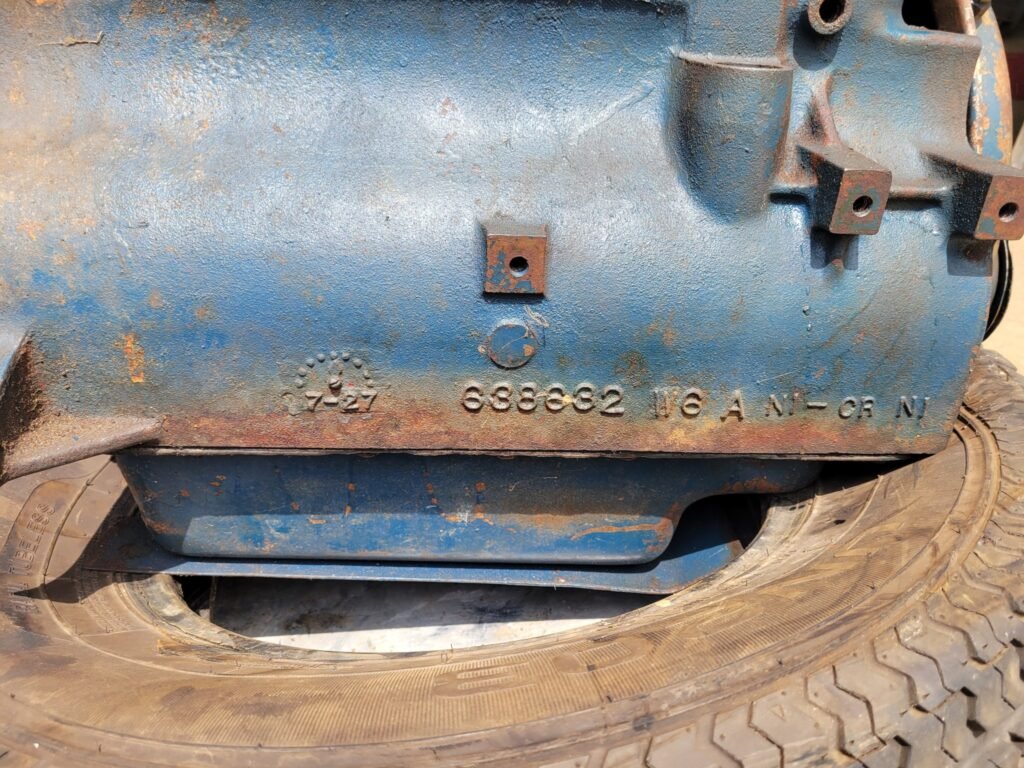
The serial number is the most specific clue. It is usually stamped into a flat, machined surface called a “boss.”
- L134 (Military): Look behind the water pump.
- L134 (Civilian): Look on the upper right side of the block, behind the oil filter.
- F134: Look at the top front of the block, near the thermostat housing.Prefixes like “MB,” “CJ,” or “4R” are the biggest hints. An “MB” prefix means the engine was originally for a wartime Jeep.
2. Visual Features
If the numbers are rusted away, look at the shape.
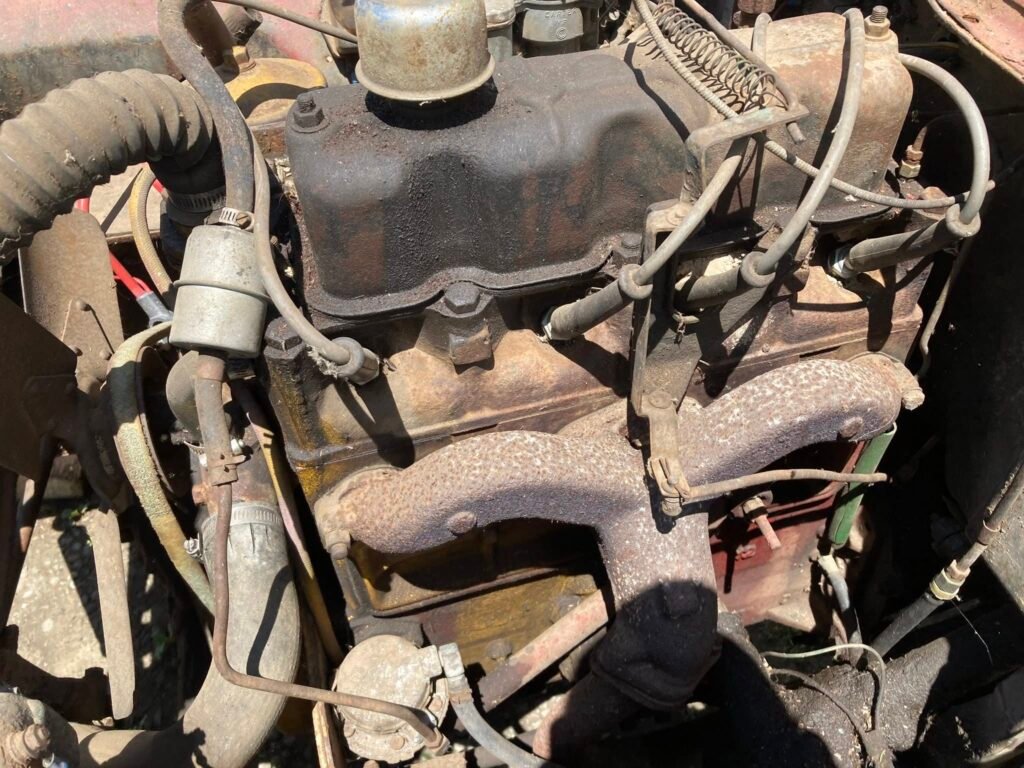
- Flathead (L-head): The cylinder head is a flat, thin piece of cast iron. The intake and exhaust manifolds are on the same side of the engine.
- F-head: The cylinder head is thick and tall. The intake manifold sits on top of the head.
- Cylinders: Count the spark plugs. Four plugs mean a 134, while six plugs mean a Super Hurricane.
3. Chassis Plates and VIN
The dashboard or firewall usually has a data plate. This plate lists the serial number of the vehicle. While this does not always match the engine exactly, the prefixes should be in the same family. If the dash plate says CJ-3B, the engine should be a Hurricane. If the engine is a Go Devil, someone swapped it in the past.
4. Owner’s Manual & Historical References
Old manuals show diagrams of where numbers are located. Historical books list “serial number ranges.” For example, a book might show that all 1946 CJ-2A engines fell between numbers 10001 and 45000. Comparing a found number to these lists confirms the year of the block.
Step-by-Step Identification Guide
Follow these steps to identify a Willys motor:
- Clean the Block: Use a degreaser and a wire brush. Decades of grease hide the stamped numbers. Focus on the water pump area and the area behind the oil filter.
- Find the Stamped Number: Use a flashlight. Stamped numbers are shallow. Look for a flat, smooth “shelf” on the casting.
- Read the Prefix: The letters before the numbers are the most important part of Willys Jeep Engine Identification. Write them down exactly.
- Look for Casting Numbers: Look on the lower side of the block. These are raised numbers (like 641087). These identify the “casting” or the mold used at the factory.
- Check the Head: Is it a flat plate or a tall box? This confirms if it is an L-head or F-head.
- Verify Online: Compare the prefix and casting numbers to a Willys serial number database.
Comparison Table of Engine Types
| Engine Name | Code | Cylinders | Displacement | Horsepower | Torque |
| Go Devil | L134 | 4 | 134 cu in | 60 hp | 105 lb-ft |
| Hurricane | F134 | 4 | 134 cu in | 72 hp | 114 lb-ft |
| Super Hurricane | 6-226 | 6 | 226 cu in | 115 hp | 190 lb-ft |
Case Studies / Examples
Example A: The Barn Find MB
An enthusiast finds a rusty Jeep. The dash plate says it is a 1943 MB. They clean the engine boss behind the water pump. The number is “MB-250431.” This is a perfect match. The engine is an original Go Devil from the wartime production run.
Example B: The Hybrid CJ-3A
A person buys a CJ-3A. The serial number behind the oil filter starts with “4R.” The engine is very tall. This tells the owner that a previous mechanic swapped the original flathead for a newer Hurricane engine. This helps the owner realize they need to order CJ-3B parts for the motor.
Maintenance & Restoration Implications
Correct identification changes how a person works on the Jeep. The Go Devil and Hurricane use different head gaskets. They use different spark plugs. Even the oil capacity can vary slightly. If a person is restoring for a show, they must find an engine block with the correct casting number for that specific year. Willys Jeep Engine Identification ensures the restoration is honest and high-quality. It also helps the owner avoid using modern parts that might look wrong on a vintage block.
Related Article
Jeep Wrangler Engine Specs
Best Tires for Jeep Grand Cherokee
Why Does My Parking Brake Automatically Engage in My Jeep Compass?
Frequently Asked Questions
Here are some FAQs about Willys jeep engine identification –
1. Where is the Willys Jeep engine number located?
For flatheads, check the front of the block behind the water pump or the upper right side behind the oil filter. For F-heads, check the flat boss near the thermostat.
2. How can I tell if a Willys engine is original?
Check if the prefix on the engine block matches the model of the Jeep. For example, a “J” or “CJ” prefix is correct for many civilian models.
3. What is the difference between Go Devil and Hurricane engines?
The Go Devil is a flathead (valves in block). The Hurricane is an F-head (intake valves in head). The Hurricane is much taller.
4. Can I identify an engine without numbers?
Yes. You can use visual clues like the head shape, the number of cylinders, and the location of the intake manifold.
5. Do VIN decoders work for vintage Willys?
Standard modern VIN decoders do not work. You must use vintage-specific serial number charts found in historical books or online Jeep forums.
Conclusion
Mastering Willys Jeep Engine Identification is a vital skill for any classic Jeep owner. It allows a person to understand the history of the vehicle and perform the right maintenance. By checking the serial prefixes and visual designs, an enthusiast can ensure their Jeep remains a true piece of history. Whether it is a Go Devil from the war or a Hurricane from the fifties, every motor tells a story. Use these steps to find yours and keep the legend alive on the road.