


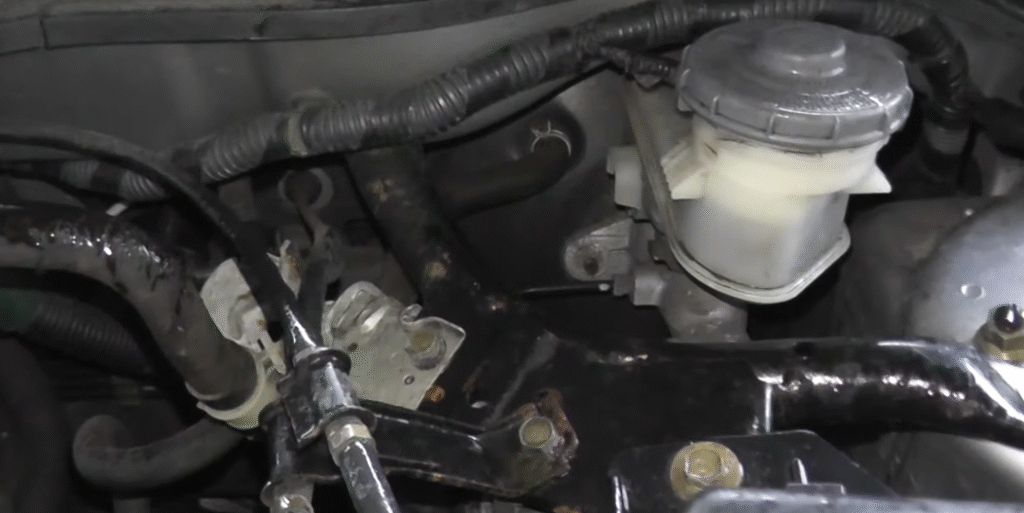
Brake booster vacuum leak happens when air enters the vacuum system, reducing braking power. This leads to a hard brake pedal and longer stopping distances, which can compromise safety.
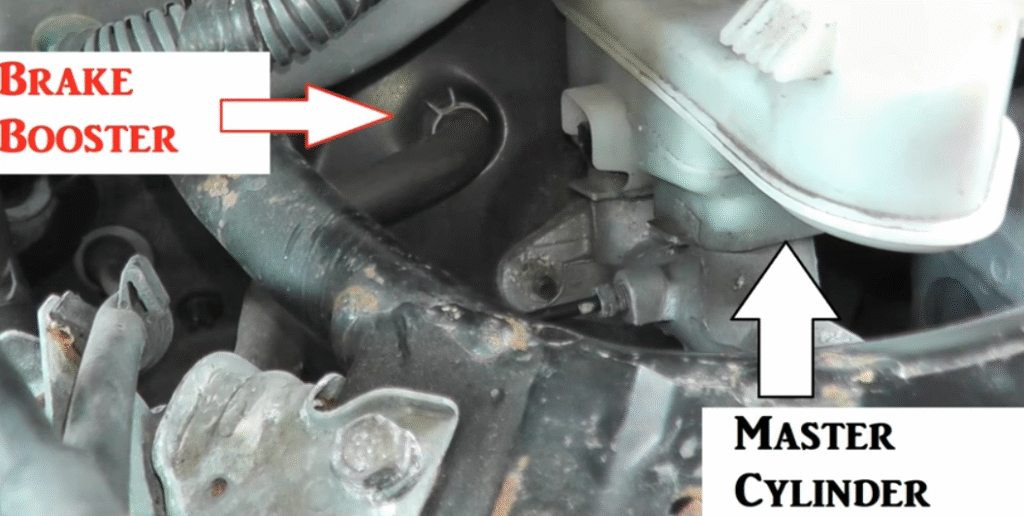
The brake booster plays a vital role in making your vehicle’s braking system more efficient by amplifying the force you apply to the brake pedal. It relies on a vacuum system to assist in creating the necessary pressure for effective braking, allowing you to stop the vehicle with minimal effort. However, when there is a brake booster vacuum leak, the vacuum pressure gets disrupted, leading to a hard brake pedal, longer stopping distances, and reduced braking power.
A vacuum leak can be caused by several issues, such as cracked vacuum hoses, a damaged check valve, or a faulty diaphragm within the brake booster itself. These problems can compromise your vehicle’s braking ability and pose serious safety risks.
In this guide, we will explore the common causes and symptoms of brake booster vacuum leaks, how to diagnose them, and the solutions available to fix the problem.

Contents
What is a Brake Booster Vacuum Leak?
A vacuum leak in the brake booster occurs when there is an unintended gap, crack, or hole in the system that allows air to enter the vacuum circuit where it shouldn’t. Since the brake booster relies on a consistent vacuum to assist in braking, any disruption to this system can lead to significant braking performance problems.
The primary source of vacuum pressure in most vehicles is the engine’s intake manifold, which produces a vacuum under normal operation. This vacuum is transmitted through hoses to the brake booster, and it’s what enables the booster to amplify the braking force when you press the pedal. If there is a leak in any part of the vacuum system — such as the vacuum hose, check valve, brake booster diaphragm, or intake manifold — the system can lose its vacuum pressure, leading to poor brake performance.
Common Causes of a Brake Booster Vacuum Leak
A brake booster vacuum leak can occur due to several reasons. The following are some of the most common causes:
1. Worn or Cracked Vacuum Hoses
The vacuum hoses that connect the brake booster to the intake manifold are made of rubber, which can wear down over time due to exposure to heat, chemicals, and environmental factors. These hoses can crack or split, creating small openings that allow air to leak into the system. This is one of the most common causes of a brake booster vacuum leak.
2. Damaged Brake Booster Diaphragm
Inside the brake booster is a diaphragm, which is a flexible membrane that helps create the vacuum needed to assist braking. Over time, this diaphragm can become brittle, torn, or damaged, especially in older vehicles. When the diaphragm fails, the vacuum system is compromised, and a leak occurs.
3. Faulty Check Valve
The check valve in the brake booster ensures that vacuum pressure is maintained in the system. If the check valve is damaged or malfunctioning, it may allow air to enter the vacuum system, causing a leak. A malfunctioning check valve can also lead to a loss of vacuum, reducing braking performance.
4. Loose or Damaged Connections
Sometimes, vacuum leaks can occur if there are loose or damaged fittings in the brake booster system. This could involve the vacuum hose connections, the brake booster mounting, or the connection between the booster and the intake manifold. Any small gap or crack in these connections can allow air to enter and disrupt the system’s function.
5. Intake Manifold Leaks
Since the brake booster relies on the engine’s intake manifold to generate vacuum pressure, any leak in the intake manifold can also affect the brake booster. Intake manifold leaks are usually caused by a worn-out gasket or cracked manifold. When air enters the manifold, it disrupts the vacuum pressure, leading to braking issues.
Symptoms of a Brake Booster Vacuum Leak
A brake booster vacuum leak can cause several symptoms that affect your vehicle’s braking performance. Recognizing these signs early can help prevent more severe issues down the road. Here are some of the most common symptoms of a vacuum leak in the brake booster:
1. Hard Brake Pedal
One of the most noticeable symptoms of a brake booster vacuum leak is a hard brake pedal. Normally, pressing the brake pedal should be relatively easy, with a smooth, consistent feel. If there’s a vacuum leak, you may notice that the brake pedal feels stiff or difficult to press. This is because the vacuum pressure that assists in pedal movement is no longer sufficient, making it harder to push the pedal down.
2. Longer Stopping Distances
A vacuum leak in the brake booster can cause longer stopping distances. Since the booster is unable to amplify the force you apply to the pedal, the braking system becomes less effective. You may find that your car takes longer to come to a complete stop, which can be dangerous in emergency situations.
3. Hissing Noise
When a vacuum leak occurs, you may hear a constant hissing sound when you press the brake pedal. This is the sound of air being sucked into the vacuum system through the leak. The hissing noise is usually most prominent near the brake booster, the vacuum hoses, or the intake manifold.
4. Unstable Engine Idle or Stalling
A brake booster vacuum leak can affect the engine’s performance as well. Since the vacuum system is connected to the engine’s intake manifold, a vacuum leak can cause an unstable engine idle or even engine stalling. If the leak is significant enough, it may cause the engine to sputter or stall when idling, especially when you press the brake pedal.
5. Increased Effort on Braking
Another symptom is an increase in the amount of effort required to press the brake pedal. If the brake booster isn’t functioning properly, you will have to apply significantly more pressure to the pedal to get the same stopping power. This could make driving more difficult, especially in stop-and-go traffic or during emergency braking situations.

How to Diagnose a Brake Booster Vacuum Leak
If you suspect that your brake booster has a vacuum leak, it’s essential to diagnose the issue correctly. Here’s how to check for a vacuum leak:
1. Listen for Hissing Sounds
When you press the brake pedal, listen carefully for any hissing noises. A vacuum leak usually causes air to be sucked in, producing a distinct hissing sound. This noise is typically most noticeable around the brake booster area.
2. Inspect the Vacuum Hoses
Inspect the vacuum hoses connected to the brake booster for cracks, tears, or signs of wear. These hoses are often exposed to extreme temperatures, which can cause them to deteriorate over time. If the hoses appear damaged, replace them immediately.
3. Use a Smoke Machine
One of the most effective ways to locate a vacuum leak is by using a smoke machine. A smoke machine pumps smoke into the intake system, and any leaks will cause the smoke to escape from the hole or crack. This method is precise and helps pinpoint exactly where the leak is.
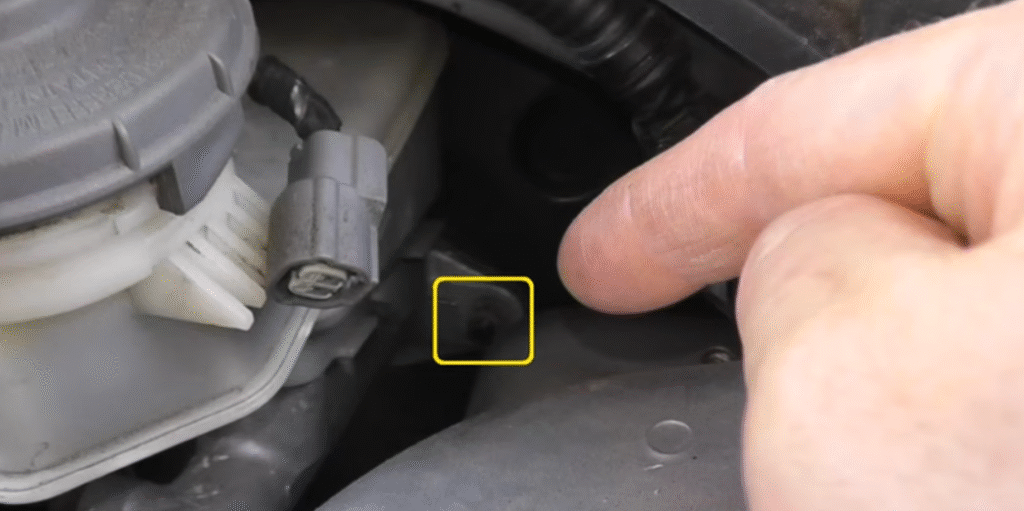
4. Check the Brake Booster Itself
Check the brake booster for any visible damage or cracks. If the booster’s diaphragm is torn or the booster body is cracked, the entire unit may need to be replaced.
5. Test the Check Valve
To check the condition of the check valve, disconnect the vacuum hose from the brake booster and test the valve. If the valve doesn’t hold vacuum or if it lets air pass through in both directions, it’s likely malfunctioning and needs to be replaced.
How to Fix a Brake Booster Vacuum Leak
Once you’ve diagnosed the source of the vacuum leak, fixing the problem can be relatively straightforward, depending on the severity. Here’s how to address the issue:
1. Replace Damaged Vacuum Hoses
If the vacuum hoses are cracked, split, or worn out, replace them with new, high-quality hoses. Make sure the replacement hoses are securely connected and properly fitted to prevent further leaks.
2. Replace the Brake Booster
If the brake booster’s diaphragm is damaged or if the entire booster is faulty, you may need to replace the entire brake booster. Replacing the brake booster typically requires removing the old unit and installing a new one, which may involve disconnecting the vacuum hose and master cylinder.
3. Replace the Check Valve
If the check valve is faulty, it should be replaced. The check valve is an inexpensive part and replacing it can restore the vacuum pressure needed for the brake booster to function properly.
4. Fix Intake Manifold Leaks
If the leak is in the intake manifold, it will likely require a professional mechanic to repair. This typically involves removing the intake manifold, replacing any damaged gaskets, and ensuring the manifold is properly sealed.
Preventing Brake Booster Vacuum Leaks
To prevent brake booster vacuum leaks from occurring in the future, consider these steps:
- Regular Maintenance: Have your brake system inspected regularly, especially the vacuum hoses and brake booster. Regular maintenance can help catch leaks early before they cause significant issues.
- Replace Worn Parts: If you notice any signs of wear on the vacuum hoses, check valve, or brake booster components, replace them promptly.
- Use Quality Parts: Always use high-quality replacement parts to ensure proper fit and function.
Frequently Asked Questions
Here are some FAQs about brake booster vacuum leaks –
1. What causes a brake booster vacuum leak?
A vacuum leak in the brake booster can be caused by damaged vacuum hoses, a faulty check valve, a torn diaphragm in the brake booster, or a leak in the intake manifold.
2. How do I know if my brake booster has a vacuum leak?
Signs of a vacuum leak include a hard brake pedal, longer stopping distances, hissing noises, an unstable engine idle, and increased effort when braking.
3. Can I fix a brake booster vacuum leak myself?
Yes, you can replace damaged hoses or a faulty check valve yourself. However, replacing the brake booster or fixing intake manifold leaks may require professional help.
4. Is a brake booster vacuum leak dangerous?
Yes, a vacuum leak can reduce braking efficiency, making it harder to stop the vehicle quickly, which increases the risk of accidents.
5. How much does it cost to fix a brake booster vacuum leak?
Repair costs vary depending on the extent of the leak and which parts need replacement. Minor repairs, like replacing hoses or the check valve, can cost as little as $50–$150, while replacing the brake booster may cost $300–$500 or more.
Conclusion
A brake booster vacuum leak can have significant consequences for your vehicle’s braking performance, so it’s important to detect and address the issue as soon as possible. By understanding the causes, symptoms, and solutions, you can ensure your vehicle’s brake system operates safely and efficiently. Regular maintenance and prompt repairs can help keep your brake booster functioning properly and prevent costly repairs in the future.


