


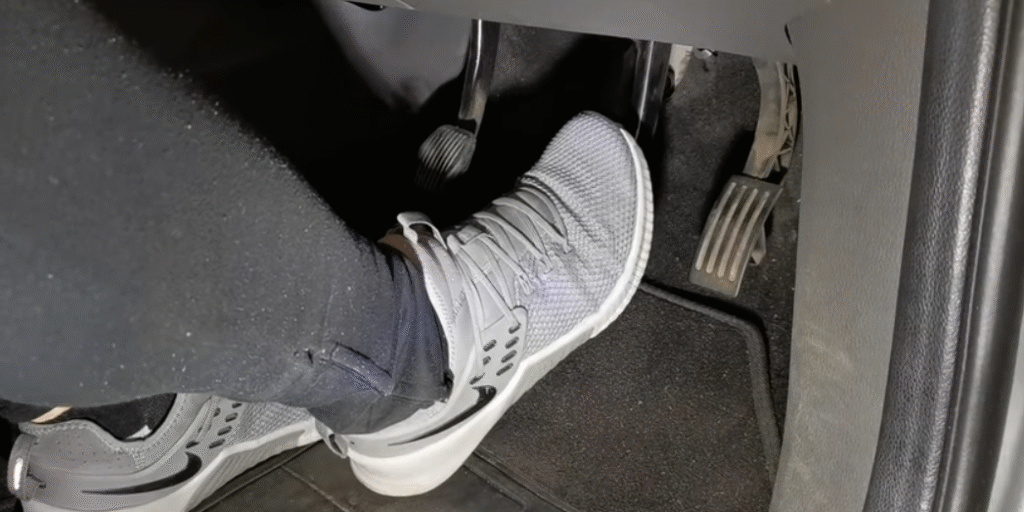
How to check brake booster: Press the brake pedal with the engine running; it should feel easy to press. If it’s stiff or you hear a hissing sound, the brake booster might be faulty.
The brake system in your vehicle is one of its most essential safety features, allowing you to slow down or stop effectively when needed. While many drivers are familiar with components like brake pads and rotors, fewer know about the brake booster—a device that plays a crucial role in making braking easier and more efficient.
The brake booster uses vacuum or hydraulic pressure to amplify the force you apply to the brake pedal, reducing the effort needed to stop your car. Without it, braking would be much harder, especially in emergency situations. Over time, however, the brake booster can wear out or malfunction, leading to a stiff pedal, longer stopping distances, or reduced braking power. These issues can compromise both your car’s performance and your safety on the road.
Fortunately, checking your brake booster for signs of failure is simple, and catching problems early can save you from costly repairs or dangerous driving conditions. In this guide, we’ll show you how to easily test your brake booster, identify common symptoms of failure, and know when it’s time for a replacement.

Contents
What is a Brake Booster and How Does It Work?
The brake booster, often referred to as the power brake booster, uses vacuum pressure to amplify the force you apply to the brake pedal. This amplification reduces the effort you need to stop the car, especially when you’re driving at higher speeds. Without a properly functioning brake booster, it would require a lot more force to slow or stop your car.
The most common type of brake booster used in vehicles is the vacuum brake booster, which uses the engine’s intake manifold vacuum to create the necessary pressure. Some modern vehicles, however, use hydraulic or electric boosters, especially in electric or hybrid vehicles. Regardless of the type, the goal is the same: to make your brake pedal feel light and responsive.
How to Check Brake Booster: A Step-by-Step Guide
Checking your brake booster is not as complicated as it might seem. By following a few simple steps, you can assess whether your brake booster is functioning properly or if it needs attention. Let’s go through the most effective tests for brake booster functionality.
1. Check the Pedal Feel
One of the first indicators of a malfunctioning brake booster is how the brake pedal feels when you press it. The brake pedal should feel firm but not too difficult to press when the engine is running. If you notice that the pedal is unusually hard to press, that’s a red flag.
- Normal Pedal Response: When the engine is on, press the brake pedal. It should feel relatively easy to push, with minimal effort needed to engage the braking system.
- No Boost Response: If the pedal feels hard, requiring significant force to press, there’s a good chance that the brake booster has failed or is malfunctioning.
If your pedal feels harder than usual, it’s time to move on to the next test.
2. Perform the Engine-Off Brake Pedal Test
This test checks for proper vacuum functionality within the brake booster. If the brake booster is not holding vacuum, it will result in poor braking performance. This simple test is easy to perform and doesn’t require any special tools.
- Step 1: Turn off the engine.
- Step 2: Press down on the brake pedal a few times. You should feel the pedal gradually becoming stiffer as the vacuum in the brake booster is depleted.
- Step 3: After a few presses, start the engine without applying any additional force on the brake pedal. If the brake booster is working properly, the brake pedal should slightly sink as the vacuum builds back up. If the pedal remains stiff or doesn’t move, it’s a clear sign that the brake booster may be malfunctioning.
This test checks whether your brake booster holds vacuum when the engine is running. It’s one of the quickest and most reliable methods to detect any issues with the booster.
3. Listen for Hissing Sounds
A common and easily detectable symptom of a brake booster issue is a vacuum leak. If there’s a hole or crack in the brake booster diaphragm, air will leak out, causing a noticeable hissing sound near the brake pedal when the brakes are applied.
- How to Test: While pressing down on the brake pedal, listen carefully for a hissing noise. A vacuum leak typically produces a faint but audible hiss. This could indicate that the brake booster diaphragm is damaged, and you may need to replace the brake booster or fix the vacuum hose connections.
If you hear a hissing sound, it’s a clear indication that there’s a leak in the brake booster, which can lead to poor braking performance.
4. Perform the Brake Booster Vacuum Test
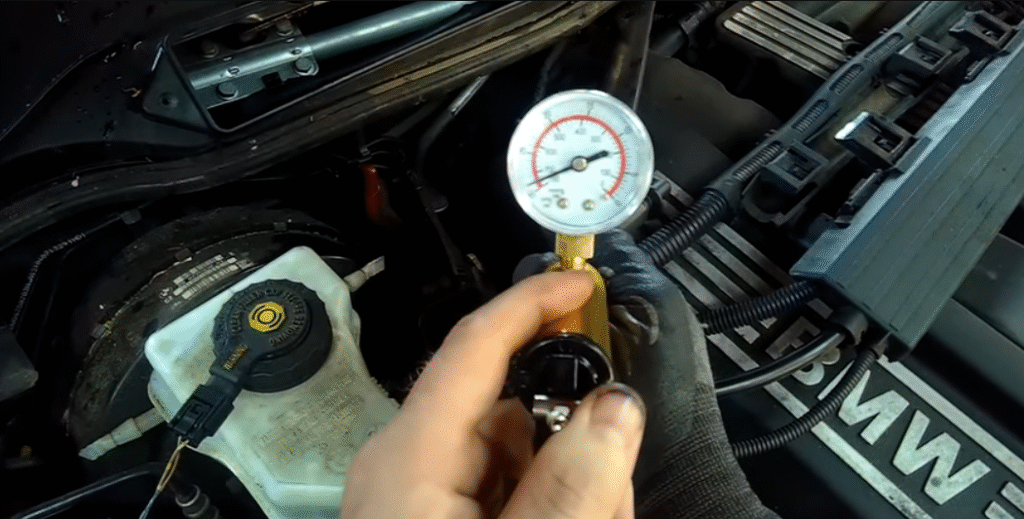
For a more precise check of the brake booster’s condition, you can use a vacuum gauge to measure the vacuum level in the system. This test is particularly useful for diagnosing issues with vacuum pressure or faulty check valves.
- Step 1: Locate the vacuum hose connected to the brake booster. This is usually a large hose coming from the engine’s intake manifold.
- Step 2: Disconnect the hose from the booster and attach a vacuum gauge to the end of the hose. If your vehicle is equipped with a vacuum check valve, remove it temporarily.
- Step 3: Start the engine and observe the vacuum gauge. A properly functioning brake booster should show a vacuum reading between 18-22 inches of mercury (inHg) at idle. If the gauge shows a significantly lower reading, it may indicate that your brake booster isn’t receiving enough vacuum pressure.
This test is particularly useful if you’re unsure whether the issue lies with the booster itself or with the vacuum supply. A vacuum issue may also point to a problem with the intake manifold or a clogged vacuum hose.
5. Check the Check Valve for Proper Functioning
The check valve is an essential part of the brake booster system. Its job is to maintain a vacuum in the brake booster when the engine is off, preventing air from entering the system. If the check valve fails, the brake booster will lose its vacuum pressure, and the brakes will become difficult to use.
- Step 1: Disconnect the vacuum hose from the brake booster and remove the check valve from the hose.
- Step 2: Attempt to blow air through the check valve. You should only be able to blow air in one direction (into the hose but not out).
- Step 3: If air can pass through the check valve in both directions, it means the valve is faulty and needs to be replaced.
A faulty check valve can lead to reduced braking power and is often a cause of brake booster failure. Replacing the check valve is an inexpensive repair that can solve many braking issues.
6. Inspect for Visible Damage or Leaks
Sometimes the problem with your brake booster may be more obvious. External damage or wear can cause the brake booster to fail prematurely. If you notice any physical issues with the booster, it’s important to get it checked out right away.
- Step 1: Look at the brake booster for any signs of cracks, dents, or visible wear. Pay close attention to the area around the vacuum hose connection.
- Step 2: Inspect the vacuum hose itself for any cracks or leaks. If the hose is damaged, it could lead to a loss of vacuum, making braking more difficult.
If the brake booster or its vacuum lines are damaged, it’s a good idea to replace the entire system.
Common Symptoms of a Failing Brake Booster
Now that you know how to check your brake booster, it’s essential to understand the symptoms of brake booster failure. These signs can help you catch issues early, potentially saving you from expensive repairs or, more importantly, dangerous driving conditions.
Here is a detail guide about Bad Brake Booster Symptoms
Frequently Asked Questions
Here are some FAQs about checking brake booster –
1. How do I know if my brake booster is bad?
The most obvious signs of a bad brake booster are a stiff brake pedal, increased stopping distance, and the inability of the pedal to sink when the engine starts. If you notice any of these symptoms, it’s time to inspect your brake booster.
2. Can I drive with a bad brake booster?
While you can technically drive with a bad brake booster, it’s not recommended. The brake booster makes braking much easier, and a failure could lead to difficulty stopping the car, which could result in an accident.
3. How much does it cost to replace a brake booster?
The cost to replace a brake booster typically ranges from $200 to $600, depending on the make and model of your car. This includes both parts and labor.
4. Can I fix the brake booster myself?
While you can check the brake booster and perform some tests on your own, replacing it is often a job best left to professionals. Replacing the brake booster involves working with your car’s braking system, which can be complicated and dangerous if not done correctly.
5. How can I prevent brake booster failure?
Regular maintenance, including checking the vacuum hoses for leaks and replacing worn-out components, can help prevent brake booster failure. Additionally, addressing any signs
of brake issues early will help extend the life of your brake booster.
Conclusion
Knowing how to check your brake booster is an essential skill for maintaining the safety and performance of your vehicle. A malfunctioning brake booster can compromise your ability to stop the car, leading to dangerous driving conditions. By performing these simple tests, you can determine whether your brake booster needs attention and take proactive steps to ensure it’s working correctly.


