


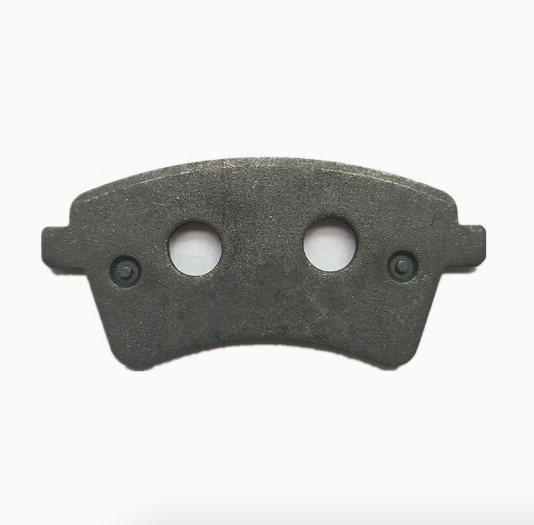
Brake pad backing plate holds the brake pads in place and ensures even pressure during braking. It helps with heat dissipation and prevents uneven wear.
When thinking about vehicle servicing, most customers think about components like the brake pads, rotors, and brake calipers, all of which tend to be front and center because of their importance and visibility. However, an essential part of the braking system is often overshadowed, and most customers don’t recognize the significance of the brake pad backing plate. Even though it is not frequently discussed and rather small, it is extremely important for the various components of your car to work properly and to ensure that the brakes work well.
In this blog, we address the role and importance of a backer plate, its common problems, and give you information on how to maintain, and when to replace, it.
If you want to know what a brake pad backing plate is, how it functions, and what problems it solves, we have the answers.

Contents
What is a Brake Pad Backing Plate?
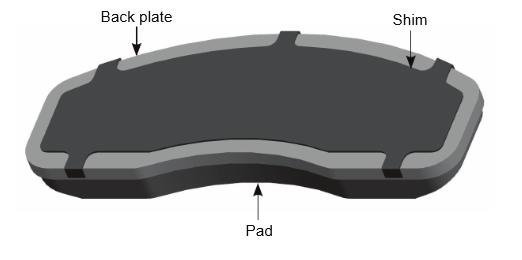
A brake pad backing plate is made from some kind of durable metal material and is flat. It is the plate that all of the brake pads are mounted onto. Backing plates help pads to stay steady and give them the ability to push against brake rotors every time the brake pedal is pushed down. Without backing plates, pads would slide around when operated and would make the whole braking system work less efficiently which is very dangerous.
Backing plates are built with stronger metals like steel and aluminum. Brake pads are built to withstand a lot of braking and heat when they are pushed together to give the pad structural support.
How Does the Brake Pad Backing Plate Work?
The brake pad backing plate plays several roles that are essential to the operation of the braking system. Here is how it works:
1. Brake Pad Mounting
The brake pad backing plate gives the brake pads a solid backing. It has slots, clips, or other features that secure the brake pads, which prevents movement during braking. This is necessary to prevent uneven braking.
2. Heat Dissipation
The braking system operates at scorching temperatures. It generates a lot of heat during stopping or prolonged braking. The brake pad backing plate can help in heat dissipation by directing the heat from the brake pads into the surrounding air or even the rotor. This is critical to ensure the brake pads are not subjected to excessive heat, which can cause the brakes to be less effective or even fail.
3. Reducing Noise
To help reduce brake squeal, some brake pad backing plates have noise-dampening materials and features. The backing plate design helps stop vibrations between the brake pads and rotors, helping the unwanted noise! this design is used often in high-performance braking systems, where noise reduction is required to help improve the smoothness of the driving experience.
4. Protection
The backing plate protects the brake pads from debris, moisture, and other contaminants that could ruin the friction material. The backing plate also helps the brake pads stay in position and protects the braking from the outside. It helps The longevity and efficiency of the braking system.
Why is the Brake Pad Backing Plate Important?
There is no denying that the brake pad backing plate is a significant component in the brake system and here are some reasons for the above statement.
1. Provides Stability for the Brake Pads
Providing Stability is the core function of the backing plate. The backing plate gives the brake pads a solid surface so that the pads will not be able to shift or move. If the pads were to move, uneven braking pressure could occur, leading to insufficient stopping power and the possibility of damaging other brake parts.
2. Evenly Redistributes Pressure
The backing plate aids in redistributing force created by the brake on the brake pad. Once the brake pads are in contact with the rotors, the backing plate aids in making the pressure applied evenly to the pads, preventing the pads from being worn out unevenly and improving the overall performance of the brakes.
3. Assists With Managing Heat
The process of braking creates a lot of heat and so heat management is essential to keep brakes performing effectively. Part of the job of the brake pad backing plate is to manage heat, allowing the brakes and brakes pads to avoid overheating and prevent brake fade, which is a loss of braking power due to the accumulated heat.
4. Allows for Increased Lifespan of the Brake Pads
By properly aligning the brake pads and protecting them from any harsh contaminants, the brake pad backing plate assists in the prolonged functioning of the brake pads. Brake pads also last longer and wear evenly when backing plates are functioning well.
Issues Around Brake Pad Backing Plates
Although brake pad backing plates are meant to be durable, they certainly can develop issues over time. Here are some of the issues that backing plates can experience:
1. Corrosion and Rust
Backing plates can experience rust and corrosion issues in many cases. The issues worsen in places where humidity is high or road salt is used in the winter, as salt can stick to metal surfaces and corrode them quicker brake pad backing plates are essential in securing brake pads in order to maintain an even brake, which helps prevent premature wearing of the brakes. If the backing plates are corroded, the brake system will not perform as needed, leading to issues.
2. Warping
Backing plates are at risk of warping due to the heat generated from braking. If backing plates warp, they will limit contact that brake pads have with the rotor. This is dangerous, as it can negatively impact the overall braking effectiveness as well as damage the rotor.
3. Cracking or Physical Damage
Backing plates are also susceptible to cracking and physical damage due to heavy braking and general wear and tear from use over time. If a backing plate is damaged or unstable, it can reduce braking effectiveness, in addition to damaging other components of the brake system, which can dangerously increase the risk of brake failure.
4. Incorrect Installation
If the backing plate for the brake pads is not installed properly, the brake pads may shift to the point where they become misaligned. That may cause uneven braking and may be a potential safety issue due to the increased wear on the pads.
5. Excessive Noise
If there is an unprotected, damaged, or unshielded backing plate, the brake pads may vibrate so excessively that they produce loud, unwanted noises, such as squeaking or grinding. Some noise is normal, but there should not be excessive noise, as that is an indicator that the backing plate and/or brake pads may need attention.
Maintaining and/or Replacing a Brake Pad Backing Plate
Maintaining and/or replacing a brake pad backing plate is an important part of having the best braking capability of the vehicle. That said, the following is a basic guide for keeping the backing plate in optimum condition:
1. Inspection: One of the most important things to protect the integrity of the overall braking system is to periodically inspect the brake pad backing plate. In doing so, you will look for signs of rust, cracks, warping, or corrosion. If the plate exhibits any of these signs of damage, you should prepare to replace the plate.
2. Brake Pad Removal: If you are going to do an inspection of the plate or replace the plate, you will first need to remove the brake pads. To do that, you will have to lift the vehicle, remove the tires, and dismount the brake calipers to release the brake pads.
3. What to Do with the Backing Plate: After you take out the brake pads, take out the old backing plate. Put the new backing plate in place and tighten it. You may then install the brake pads to the new backing plate.
4. Reassemble the Whole Brake System: Once you are done with the backing plate and replacing it with a new backing plate, you may now position back the brake pads and caliper, in the brake system. Ensure that all parts are secure and aligned before putting back the wheels.
5. Brakes Should Go Through Testing: After all replacements, you should test the brakes to know if all parts are in their proper places. Observe the brakes for unusual sounds and vibrations. If you notice nothing, then the whole system is in good shape.
Frequently Asked Questions
Here are most common questions about brake pad backing plates –
1. What if There Was No Backing Plate?
The backing plate would improve the braking process and durability of the brake pads. It would also allow the brake pads to be aligned and evenly pressed against the rotor.
2. How do I know if I need to replace the backing plate?
Rust, indentations, cracking, warping, or anything unusual regarding brake functioning shows you need a backing plate.
3. Can I do the backing plate myself?
Mechanical skills and the right equipment are essential to the backing plate, so if you are not familiar with this aspect of the braking system, it’s better to see the experts.
4. How long do backing plates last?
Depending on your driving conditions, backing plates usually last with your brake pads, so roughly 30,000 to 70,000 miles.
Final Thoughts
The brake rotor backing plates are a small part of your braking system but are vital. While they do not get the attention of brake pads and rotors, the backing plates are essential in holding the brake pads in the proper position and allowing them to function properly. They are also helpful to the overall safety of the vehicle. Backing plates should be checked on periodical bases and replaced as abs brakes could cause serious accidents as there is no fail safe in the system.


