


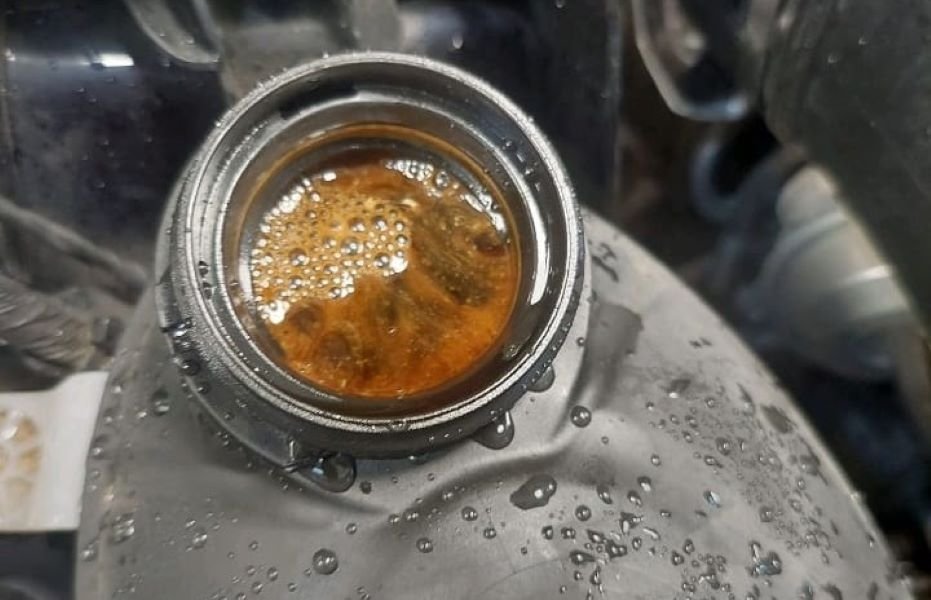
Damaged engine mixed water and oil can cause severe engine damage, often due to a blown head gasket or cracked engine block. Immediate repair is needed to avoid further issues.
Water and oil mixing in an engine, will cause catastrophic engine failure, so this problem needs to be fixed quickly. The two fluids, oil that lubricates the engine’s moving parts, and water that cools the engine, are absolutely not supposed to mix, and if they do, that means there’s a serious problem inside the engine, usually due to mechanical failure. The oil and water mixing in an engine will cause a loss in engine efficiency and cause the engine to overheat and be damaged severely.
In this case, you need to know the dangers of driving a vehicle with mixed fluid, the possible fixes, and most importantly know the signs, to help you avoid spending a fortune in repairs. If you understand the problem and act fast enough to fix the problem, you will save the engine from being replaced. Now, let’s break down the problem of water and oil mixing in your engine.

Contents
- 1 What Happens When Water and Oil Mix in an Engine?
- 2 Causes of Water and Oil Mixing
- 3 Signs of Water and Oil Mixing in an Engine
- 4 The Risks of Driving with Oil and Water Mixture
- 5 How to Fix a Damaged Engine with Mixed Water and Oil
- 6 How to prevent water and oil mixing in the future
- 7 Frequently Asked Questions
- 8 Conclusion
What Happens When Water and Oil Mix in an Engine?
When coolant and oil mix in an engine, an engine malfunction occurs, and the problem must be dealt with immediately. Oil and coolant play separate but critical roles in the engine. If they are mixed, they lose the ability to perform their tasks. Oil serves to lubricate the moving parts of an engine and reduce friction. Water (or coolant) absorbs and carries heat from the moving parts of the engine, preventing the engine from overheating.
There are various ways to mix water with oil in an engine. When water and oil mix, both functions mentioned break down. Engine lubrication is compromised. As the parts of the engine rub against each other, the friction and wear increases over time. On top of that, the coolant system can no longer cool the engine, and the engine temperature rises, leading to the risk of overheating.
Causes of Water and Oil Mixing
Water and oil can mix for various reasons. We’ll cover the common ones below –
1. Blown Head Gasket
A blown head gasket is the most common reason for a water and oil mixing issue. Gaskets for the heads of the engine are used to seal the space between the engine block and the head of the valve. This means the coolant and oil should stay in their channels. When a head gasket blows, coolant is allowed to enter the oil channels or oil can leak into the coolant system. This also gives an engine a water and oil problem.
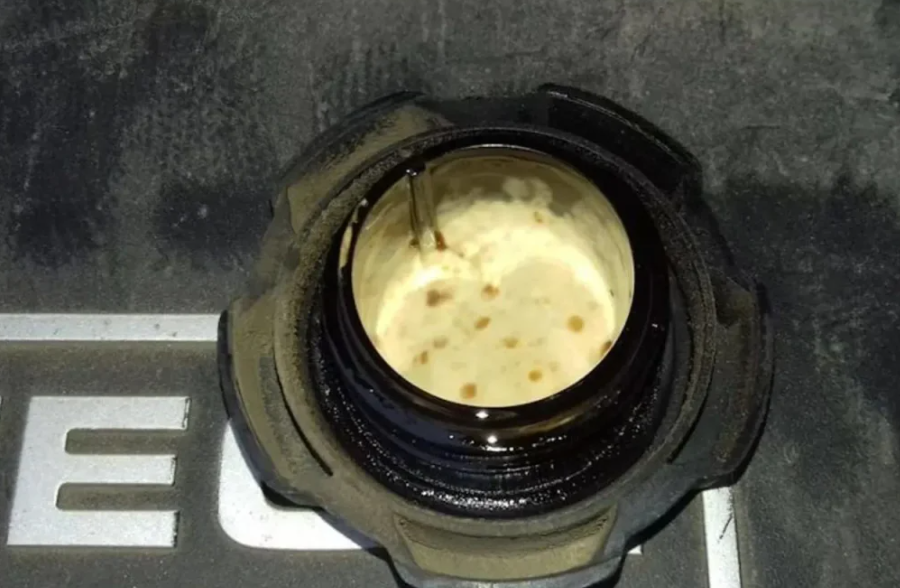
A blown head gasket is common with engine overheating, a lack of engine care, or simply due to everyday wear and tear of an engine. A leak of coolant into the oil system of an engine will turn the oil on the dip stick to a creamy or milky color which indicates contamination.
2. Cracked Engine Block or Cylinder Head
A common reason for mixing of oil and water is also due to a cracked engine block or cylinder head. A cracked block can allow coolant to leak into the oil channels which can spell disaster for the health of an engine. Cracks can form in an engine block due to overheating, extreme stress on the engine or due to some form of physical trauma. When coolant is allowed to enter the oil system of an engine, this compromises both the lubrication of the engine and also the cooling which can be a real disaster for the health of an engine.
Cracks in your engine block are often due to neglect and serious overheating issues. They often aren’t visible at first and can cause oil and coolant to mix.
3. Broken Oil Cooler
Some models have oil coolers to manage oil temperature. If the oil cooler is brozen, it can make coolant leak into oil. Oil cooler seal failure and breach is another case of oil and coolant contamination just like a blown head gasket and cracked engine block. Damaged oil coolers are serious and detrimental to engine performance and fuel economy.
4. Inoperative Radiator and Cooling System
An inoperative radiator can cause water and oil to mix as coolant leaks into the engine block. Leaks, corrosion, and a malfunctioning radiator cap are the most common causes of coolant overflow. If the coolant overflow is neglected, the oil and coolant will mix.
5. Corrosion or Wear in Engine Components
As time goes by, parts of an engine may start to corrode or wear down. Over time, age, rust, or simple neglect can result in the breakdown of seals, gaskets, and other parts separating the systems of oil and coolant. Corrosion can lead to coolant mixing with oil, and result in the development of an oil and water concoction. With the utmost regular engine servicing, such issues can be avoided.
Signs of Water and Oil Mixing in an Engine
To ascertain the likelihood of water and oil mixing in your engine, a variety of indicators can be observed. Optimum consideration of the indicators may obviate the imperative for extensive engine repairs.
1. Milky Oil Appearance
Milky oil appearance is one of the identifiable issues that is caused by water and oil mixing. On checking the oil dipstick and observing it to be a pastel, off white or creamish sort of color, it is indicative that that coolant has mixed with the oil. The oil’s consistency is altered from milky to a thick sludge-like consistency because water or coolant becomes suspended in the oil. Such cases warrant the need for engine repairs as an urgency.
2. Overheating Engine
Overheating engines can be caused by oil and water mixing. Engine oil both cools and lubricates the moving parts. Because oil and coolant mixing reduces lubrication, the oil’s cooling ability is also compromised which causes the engine to overheat. Increased friction and overheating would cause the engine temperature gauge to rise and/or the engine warning light illuminate.
3. Loss of Engine Performance
Poor engine performance can be a result of oil and water mixing. Engine oil lubricates the mechanisms and, as a result, causes the engine to run roughly, make unusual noises, and lose power. Mixed fluids can cause a decrease in acceleration, rough idling, and engine knocking.
4. White Smoke From Exhaust
When white smoke comes from a car exhaust, it usually means that water or coolant are leaking into the combustion chamber. This is often caused by a blown head gasket or a cracked engine block. This coolant leak into the engine combustion chamber causes coolant to burn in the exhaust, producing white smoke. This is another clear sign that there is something wrong with the engine.
5. Coolant Loss
Coolant is being absorbed into the engine oil system when there is a drop in the coolant level without visible leaks. When there is a cooling system leak, the coolant level decreases in a gradual manner. If you find yourself frequently topping off the coolant, there is no visible leakage, and you are adding oil to the engine, it’s time to check for water and oil contamination.
The Risks of Driving with Oil and Water Mixture
It is dangerous to drive with an oil and water mixture in an engine. There are many reasons as to why this should be taken seriously.
1. The Damage It Can Cause
When water and oil are mixed in an engine, the moving parts inside the engine will be damaged. Oil is used to lubricate moving parts, and when it is mixed with water, it will lose this ability. There will be more friction between the moving parts, and parts like the Babbitt bearings, pistons, and camshafts will be damaged if this problem is not corrected quickly.
2. Overheating and Engine Failure
Water and oil mixing can cause overheating because the oil no longer performs its intended job of absorbing and dissipating heat. The engine’s cooling system is also compromised when coolant mixes with the oil. If the engine continues to run under these conditions, it will eventually overheat, causing further damage. An overheated engine is more prone to cracking, warping, or even complete failure.
3. Corrosion
Liquid contaminants in your engine’s oil will allow for the internal components of your engine to corrode. Moisture encourages the formation of rust on the metal components of your engine, such as the pistons, cylinders, and crankshaft. Rust will cause the engine to work harder and less efficiently, and in doing so, will shorten its lifespan. Corrosion is a serious concern for any engine, as its repair is often difficult and expensive.
4. Reduced Power and Efficiency
The mixing of water and oil in an engine will cause a decrease in its performance and cause a loss of power, uneasiness in acceleration, and cause rough running, and it may also cause a loss of fuel efficiency. The engine is simply not working as it should, and in turn will cause repair costs and fuel costs to rise.
How to Fix a Damaged Engine with Mixed Water and Oil
It’s bad when you find out that there is water and oil mixing in the engine. Here is how you can possibly fix it.
Stop Driving Immediately: Water & oil mixing is serious and stops driving when you see signs of it. As the problem gets worse, so does the risk of developing serious problems in the engine. Running the engine for a long time increases the chances of major engine problems.
Inspect the Oil and Coolant Systems: Check the oil dipstick for signs of water. If the oil dipstick looks cloudy and foamy there is water in it. If the coolant level is low, there are no leaks and the coolant level is decreasing, it could be leaking into the oil. You may have to drain the oil and coolant to see how bad the damage is.
Flush Out the Engine: Unless the engine is damaged beyond repair, a flush of the engine oil system may be necessary. This means that the old, contaminated oil will be drained as well as the oil filter, and the engine will have clean oil poured into it. Flushing the coolant system as well is recommended. This is so that any other contaminants will be removed.
Look For Engine Leaks: Looking for the leaks is the next step after flushing the fluids. Identifying the leaks is certainly a job for the mechanics, as they know how to spot whether the issue involves a blown head gasket, cracked engine blocks, or a faulty oil cooler. An issue will remain after all that work if the cause for the oil leak is missed.
Repair or Replace Faulty Parts: Once the issue has been adequately located, and it is determined that the issue is a faulty head gasket, oil cooler, or block, then those parts will be repairable and/or replaceable parts. Depending on how damaging the parts are, the repairs might be costly. However, catching the problem is early will definitely be of help in avoiding a full engine overhaul.
Test the engine: After you’ve repaired leaks and replaced any engine components, run the engine for a short period to see if there are any issues. During the short period of running the engine, check the oil to see if it is still clean, without contamination, and check the engine temperature to see if it is in the normal range.
How to prevent water and oil mixing in the future
If you do not want the frustrating and costly experience of mixing oil and water ever again, here’s what you can do.
Preventative maintenance: Water and oil mixing is one of the many engine issues that regularly scheduled maintenance can prevent. If you want to prevent water and oil mixing, you should do regular oil and coolant changes, regular scheduled engine inspections, and regular gasket seal inspections.
Monitor engine temperature: If there are any internal leaks in the engine, engine overheating can be a main cause. If the engine is getting hot, then you should pull to the side and keep the engine hot engine cool down. It’s also a good idea to check the coolant before overheating.
Use Quality Parts: When it comes to engine parts, including head gaskets, seals, and gaskets, always use high-quality replacement parts. Low-quality parts can fail and cause issues, including mixing oil and water in the engine.
Check for Leaks Regularly: Check your engine frequently to ensure that the oil and coolant systems are not leaking. If you see fluid anywhere, it is crucial that you address it before it becomes a larger problem.
Frequently Asked Questions
Here are some FAQs about damaged engine mixed water and oil –
- How can I tell if my engine has water mixed with my oil?
Look at your oil dipstick. If it has a milky or creamy look, then that is a sign that your engine has water mixed with oil.
- Am I able to drive my car if water and oil are mixed?
No, driving with water and oil mixed can cause serious engine damage. You need to stop driving it to keep the engine from getting any worse.
- What is the cost to repair an engine that has water and oil mixed?
Depending on the amount of damage, it could cost hundreds to thousands of dollars. Most of the time, getting a head gasket or an engine block that is cracked replaced will cost a lot.
- Can a head gasket that has blown cause an engine to have water and oil mixed together?
Yes, a head gasket that has blown is one of the most common reasons for engine oil and coolant mixing together.
- What can I do to make sure that oil and water do not mix together?
You should do preventative check ups, monitor if the engine temp is getting too high, and make sure there are no leaks. If there are worn out gaskets or seals, replace them.
Conclusion
The mixing of water and oil in your engine is a grave concern. This problem can lead to severe engine failure, overheating, corrosion, and loss of power. If there are any indications of mixing water and oil in your engine, you should stop driving. The engine should be checked by a mechanic immediately. Regularly use high-quality parts, and ensure there is sufficient coolant and oil to prevent this issue.
If the problem is taken care of when it is small, it will be less expensive to repair. This will also ensure that the engine lasts a long time. The care of the engine should be a high priority in order to keep the car working for a long time.


