


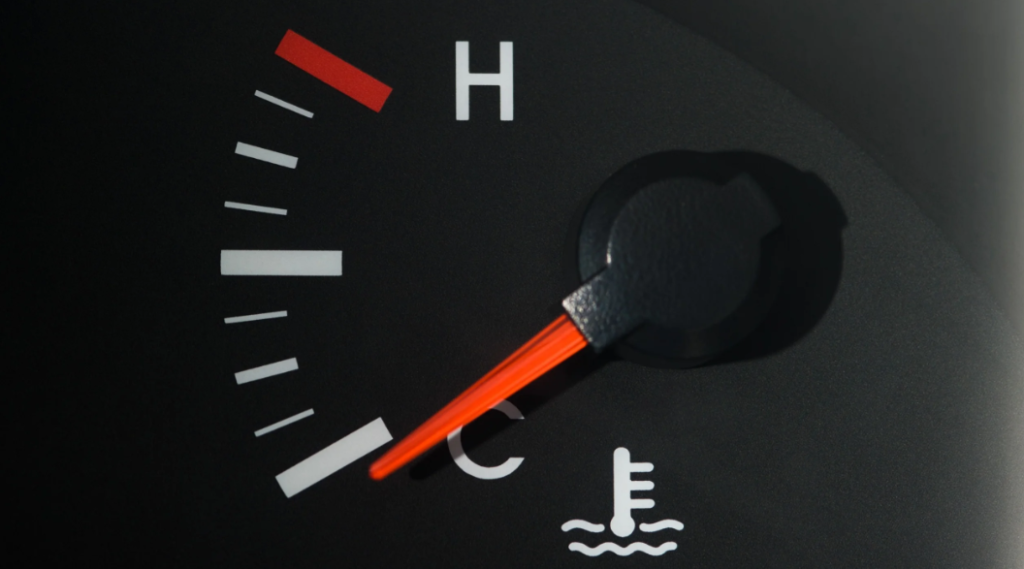
Engine coolant temperature meaning is the measure of the coolant’s heat in the engine, ensuring it stays at the right level to prevent overheating and maintain efficiency.
The engine coolant temperature is a critical factor in the performance of your car. It’s essentially the temperature of the fluid that helps keep the engine from getting too hot. When it’s too high, it can lead to overheating and severe engine damage. When it’s too low, fuel efficiency and engine performance suffer. That’s why it’s essential to know what’s going on with your coolant temperature and take action when needed.
In this guide, we’ll explain what engine coolant temperature is, why it’s important, and how you can keep it at the ideal level for optimal performance.

Contents
- 1 What is Engine Coolant Temperature?
- 2 Why Is Engine Coolant Temperature Important?
- 3 How Does Engine Coolant Work?
- 4 How to Monitor Engine Coolant Temperature
- 5 What Happens if the Coolant Temperature Gets Too High?
- 6 What Happens if the Coolant Temperature Gets Too Low?
- 7 How to Maintain the Right Coolant Temperature
- 8 Frequently Asked Questions
- 9 Conclusion
What is Engine Coolant Temperature?
The engine coolant temperature refers to how hot or cold the fluid (usually a mixture of antifreeze and water) is as it circulates through the engine. This coolant absorbs the heat from the engine and carries it to the radiator, where it’s cooled down before being sent back into the engine to absorb more heat. It’s a vital part of the engine’s cooling system, helping maintain the engine at the right operating temperature.
A coolant temperature gauge on the dashboard is usually how you monitor this temperature. The needle or digital display gives you a real-time reading of how hot the engine is. If the coolant temperature is too high or too low, it could signal an issue that needs attention.
How Does Coolant Temperature Affect Engine Performance?
The right engine temperature is important for smooth operation. If it’s too low, the engine won’t burn fuel as efficiently, leading to poor fuel economy and increased emissions. If it’s too high, the engine could overheat, leading to potential damage. Keeping the engine at the right temperature ensures that it performs well, runs efficiently, and lasts longer.
Why Is Engine Coolant Temperature Important?
So, why should you care about engine coolant temperature? Here’s why it’s such an important part of your car’s overall health:
1. Prevents Overheating
Engines generate a lot of heat, and if that heat isn’t managed properly, it can lead to overheating. Overheating can cause serious damage to engine components and lead to costly repairs. A properly maintained cooling system helps keep the engine from getting too hot, ensuring it runs safely.
2. Improves Fuel Efficiency
An engine that’s running at the correct temperature burns fuel more efficiently. If the engine runs too cold, it might burn more fuel than necessary just to keep things running. But if the engine is too hot, it can lead to incomplete combustion, which reduces fuel efficiency. Keeping the temperature within the ideal range ensures optimal fuel use.
3. Prevents Excessive Engine Wear
Engines that are running too hot or too cold experience more friction, which can lead to wear and tear on components. Maintaining the right coolant temperature helps prevent premature wear, keeping your engine healthy for longer.
4. Reduces Emissions
An engine that’s running at the right temperature burns fuel more completely. If the engine is too cold, it may not burn fuel properly, leading to higher emissions. If the engine is too hot, it can produce excess nitrogen oxides, a harmful pollutant. Keeping the temperature in check helps reduce harmful emissions.
How Does Engine Coolant Work?
To understand engine coolant temperature, you need to know a little about how the cooling system works. Here’s a quick breakdown:
1. The Radiator
The radiator is the key part of the cooling system. It releases heat from the coolant to the outside air. As coolant flows through the radiator, heat is dissipated through tubes and fins, cooling the fluid before it returns to the engine to absorb more heat.
2. The Thermostat
The thermostat regulates the flow of coolant through the engine. When the engine is cold, the thermostat stays closed, helping the engine warm up quickly. Once the engine reaches the right temperature, the thermostat opens up to let the coolant flow freely, keeping the engine temperature stable.
3. The Water Pump
The water pump is responsible for circulating coolant throughout the engine and radiator. Without the pump, the coolant wouldn’t flow effectively, and the engine would overheat.
4. Coolant Expansion Tank
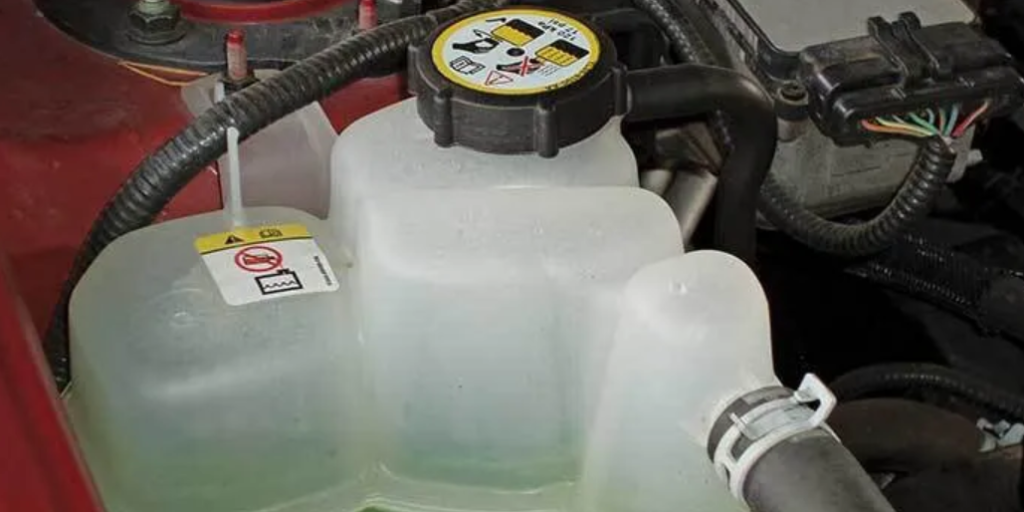
The expansion tank is where the coolant goes when it expands from heat. As the coolant heats up, it increases in volume. The expansion tank holds the excess fluid and allows it to return to the system once the engine cools down.
Together, these components ensure that engine coolant temperature stays within the optimal range, keeping the engine from overheating or running too cold.
How to Monitor Engine Coolant Temperature
Keeping an eye on engine coolant temperature is easy, especially with modern vehicles. Here’s how you can do it:
1. Coolant Temperature Gauge
Most cars have a coolant temperature gauge on the dashboard. The needle (or digital display) shows you how hot the engine is. If the needle is in the red zone or you get a warning message on the screen, it means the engine is getting too hot, and you should take action.
2. Warning Lights
If the coolant temperature is too high, your car will likely trigger a warning light. This could be a red or orange light that indicates the engine is at risk of overheating. If this happens, you should pull over as soon as it’s safe and let the engine cool down.
3. OBD-II Scanner
If you want to get a more accurate and detailed reading of your engine coolant temperature, you can use an OBD-II scanner. These scanners plug into your car’s diagnostic port and give you real-time data on various engine parameters, including coolant temperature.
What Happens if the Coolant Temperature Gets Too High?
If the engine coolant temperature exceeds the safe range, it can cause several issues:
1. Overheating
Overheating is the biggest concern when the temperature gets too high. If the engine gets too hot, it can cause the parts inside the engine to expand, leading to cracks, leaks, and even complete engine failure. Overheating can also warp critical engine components like the cylinder head and block.
2. Boiling Coolant
When the coolant temperature gets too high, it can boil, creating steam and potentially causing a coolant leak. This makes the overheating problem worse and can cause further damage to the engine if not addressed quickly.
3. Warped Engine Parts
High temperatures can warp engine components, leading to significant damage. Parts like pistons, valves, and seals can all become damaged when exposed to excessive heat, resulting in a loss of engine power and a shorter engine lifespan.
4. Blown Head Gasket
When the engine gets too hot, it can cause the head gasket to fail. This allows coolant and oil to mix, leading to further damage and a potential engine breakdown.
What Happens if the Coolant Temperature Gets Too Low?
While high coolant temperatures are the biggest concern, running an engine too cold also causes issues:
1. Increased Fuel Consumption
Cold engines burn more fuel. If the coolant temperature is too low, the engine may not reach its optimal operating temperature, causing it to burn more fuel than necessary.
2. Poor Engine Performance
A cold engine doesn’t perform as well as a warm one. If the engine doesn’t warm up properly, it can feel sluggish, and acceleration may be slower.
3. Higher Emissions
Low temperatures prevent the engine from burning fuel completely. This results in increased emissions, contributing to environmental pollution.
4. Increased Engine Wear
Cold engines suffer from increased friction because the oil is thicker and doesn’t lubricate the engine as effectively. This increases the wear on engine parts, leading to premature breakdowns.
How to Maintain the Right Coolant Temperature
Now that you know the importance of keeping the engine coolant temperature in check, here are a few ways to maintain it:
1. Check Coolant Levels Regularly: It’s a good idea to check the coolant levels every few weeks, especially before long trips. Low coolant levels are a common cause of overheating. If your coolant is low, top it up to the recommended level.
2. Flush the Cooling System: Over time, coolant can lose its effectiveness. Flushing the system every 30,000 to 50,000 miles helps remove old coolant and prevents contaminants from damaging the engine.
3. Replace the Thermostat: A malfunctioning thermostat can cause the engine to overheat or run too cold. If the thermostat is stuck open or closed, it can cause temperature fluctuations, so it’s important to replace it if necessary.
4. Inspect the Radiator: Ensure that the radiator is clear of debris and the fan is functioning properly. A blocked radiator or a broken fan can prevent the engine from cooling down effectively, leading to overheating.
Frequently Asked Questions
Here are some FAQs about engine coolant temperature –
- What is the ideal engine coolant temperature?
The ideal temperature typically ranges between 195°F and 220°F (90°C to 105°C), though it varies by vehicle. - How do I check my engine coolant temperature?
You can monitor it using the dashboard temperature gauge, warning lights, or an OBD-II scanner. - Why is my engine coolant temperature high?
High temperatures may be due to low coolant, a faulty thermostat, or a malfunctioning radiator. - What happens if my engine coolant is too low?
Low coolant levels can cause overheating and damage the engine. - Can engine coolant temperature affect fuel efficiency?
Yes, improper coolant temperature leads to poor fuel efficiency, either from increased fuel consumption or inefficient combustion.
Conclusion
Knowing engine coolant temperature is key to keeping your engine healthy. By monitoring the temperature and performing regular maintenance, you can avoid overheating, reduce wear and tear, and improve fuel efficiency. Keeping your engine at the right temperature is simple once you know what to look for and how to take action. Keep an eye on the coolant levels, inspect the thermostat and radiator, and always stay aware of your car’s temperature gauge to ensure everything runs smoothly.


