


Will engine fogging oil go bad? Yes, engine fogging oil can go bad if exposed to air, extreme temperatures, or contamination. Proper storage can extend its shelf life.
Engine fogging oil is important in preserving the engines when storing them over long periods especially in boats and motorcycles and other seasonal vehicles. It is used to maintain the internal parts of your engine because it keeps the moisture at bay and it does not rust or corrode the engine internals. But as with any other liquid or fuel-based commodity, there is a tendency of degradation in the case of the fogging oil with time.
This brings about the critical question: is it possible to have engine fogging oil that becomes bad? The answer to this is yes, there is a shelf life of the oil used to fog and its performance reduces when kept inappropriately. Knowing how to keep the fogging oil, its duration and when to change it can assist you to ensure that your engine is in optimum condition.
This article is going to discuss the science of fogging oil, what influences its shelf life and how to maximize it.

Contents
- 1 What is Engine Fogging Oil?
- 2 Can Engine Fogging Oil Go Bad?
- 3 The Correct Storing of Engine Fogging Oil
- 4 What is the Maximum Life of Engine Fogging Oil?
- 5 Is it Possible to use Expired Engine Fogging Oil?
- 6 Do Fogging oils Go Out of the Engine?
- 7 Frequently Asked Questions
- 8 Conclusion
What is Engine Fogging Oil?
It is a good idea to first define the concept of engine fogging oil and its purpose before getting into the issue of whether this product can expire or not.
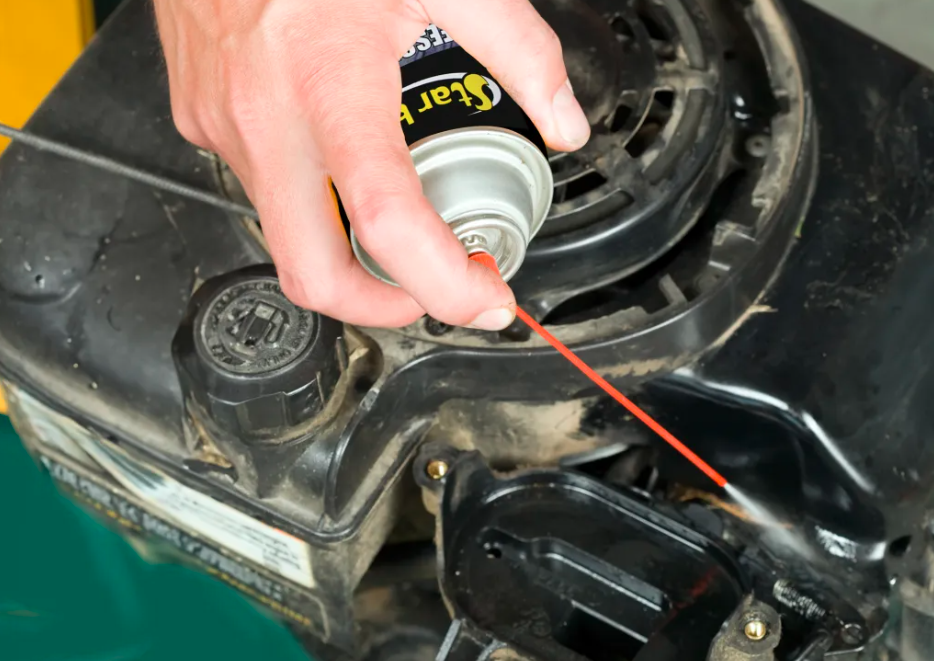
The fogging oil is a lubricant that is specially designed to help the internal parts of an engine to be shielded when the engine is not in use. Mostly applied to marine engines, motorcycles, lawnmowers, and other small engines, fogging oil is used as a barrier to moisture and air, which can damage the metal parts.
Here’s how fogging oil works:
- Coating Engine Parts: Coating on the engine produces a thin protective covering on the internal engine components like the pistons, cylinders, and valves.
- Rust and Corrosion Prevention: The oil helps in keeping the metal surfaces dry, which means that they do not interact with water to form rust and corrosion.
- Lubrication: Fogging oil additionally offers temporary lubrication, which aids in the reduction of friction when the engine is again started after a lengthy spell of disuse.
All in all, using oil to fog is a preventive tool which will guarantee the engine its long life span and will reduce the chances of spending a lot of money to repair rust or corrosion.
Can Engine Fogging Oil Go Bad?
Yes, engine fogging oil may go bad. Despite being intended to have long lifespans, there are a number of factors that may lead to degradation of the oil with time thus lowering its protective features. The positive aspect is that when stored properly, the oil can be used in years without any kind of fogging. The trick is to put it in the right place and keep it in good check up to the time you need it.
Why does Engine Fogging oil Go Bad?
Fogging oil may lose its potency and become defective because of a number of factors. Knowledge of these factors will assist you to care more about the oil and your engine.
1. Exposure to Air
Fogging oil, similar to most products of petroleum nature, may oxidize in the air. Such exposure to air decays the chemical composition of the oil leaving it ineffective. Air coming in contact with oil of the fogging type may cause the formation of acids that in turn may destroy the covering layers it forms on the engine. That is the reason why it is necessary to remember to keep the bottle tightly closed after use.
2. Temperature Extremes
One of the largest contributors to the spoiling of oil through heat is the temperature extremes (i.e. heat). Moving the fogging oil to a hot or cold area may result in loss of the viscosity of the oil which is vital to its protective effects. The heat may result in the oil disintegrating and becoming thicker, which will become difficult to spread throughout the engine components. Conversely, very low temperatures may lead to hardening of the oil which influences its flowability over the internal parts of the engine.
3. Contamination
Another major cause of degradation in the case of the oil of the fogging is contamination. When the oil is contaminated with dirt, moisture or other impurities then it may lose its protective qualities. Polluted oil used in misting engines can cause damage to the engine rather than delivering the protective effects. It is because of this that it is important to store the fogging oil in a clean and dry place and the storage containers should also be well sealed to prevent any contamination.
4. Exposure to Sunlight
Fogging oil may be broken down easily by direct exposure to sunlight. The UV rays may affect the chemical composition of the oil and this impairs the ability of the oil to safeguard the engine. To ensure that this does not occur, it is always advisable to keep the oil that is being used in a dark and cool area which is not exposed to direct sunlight.
5. Time
fogging oil does not last forever even in the best of storage conditions. With time, it would automatically degrade. The protective qualities of the oil will reduce and it might cease to be as effective in preventing rust and corrosion. Majority of the fogging oils last between 1-2 years on the shelf however this may be changed depending on the formulation of the product and the storage conditions.

How to Know When Engine Fogging Oil has Gone Bad
Before applying the oil to protect your engine, it is necessary to verify its state of the art of the oil. The use of poor oil will do more harm than good. The following are some of the indications that the oil has become fogged:
1. Change in Consistency
The change in the consistency of the oil is one of the initial indicators of the fact that the latter is bad due to the presence of the so-called fogging oil. When the oil becomes thick or turns into various layers, then it is most likely that it has become degraded. The texture of fogging oil must be smooth and homogeneous, and any alteration in the look of the same may indicate that it is no longer suitable to use.
2. Unpleasant Odor
The smell of freshly-moged oil is neutral or slightly petroleum-scented. When the oil smells rancid or unpleasant then it is an indication of the oil beginning to break down. When the odor is strong and foul it means that the oil is oxidized and needs to be replenished.
3. Discoloration
The fogging oil is usually golden or amber. In case the oil has become darker or black, it is a clear indication that it has been oxidized. Oxidized oil will no longer be efficient in rust and corrosion protection of your engine.
4. Clumping or Separation
When it is observed that the oil has clumps or separation of solids, then it means that the oil is bad. It is an indication that the chemical compositions of the oil have started to disintegrate and the oil will not serve its purpose of cushioning the engine any more.
5. Failure to Coat the Engine
When you apply the bad fogging oil, that is not able to cover the inner parts of the engine. This exposes your engine to rusts and corrosion which results in the damage of your engine when you are about to start it after a long period of storage.
The Correct Storing of Engine Fogging Oil
Engine fogging oil is important in extending the shelf life of the product and therefore, it is necessary to store the product properly. These are best practices in storing the fogging oil:
- Keep the Container Sealed: Close the oil container to avoid an entry of air which would lead to oxidation. The oil will be destroyed more quickly by exposure to the oxygen, so it is important to place the lid back on the container after use.
- Store in a Cool, Dry Place: Keep the store fogging oil in a cool and dry environment not within extreme temperatures. The optimum temperature of 50degF to 85degF (10degC to 29degC) is the temperature that helps to maintain the integrity of the oil. It should not be kept in very hot places like furnaces or under the sun.
- Avoid Moisture: The oil can be contaminated with water and lead to its faster degradation. Make sure that the storage place is dry and not humid. When oil gets in the vessel, the water may contaminate it and render it ineffective.
- Use Proper Containers: The oil usually comes in either plastic or metal containers but one should use the correct kind of container to avoid contamination. When pouring the oil to another container, ensure that the container is clean and dry and has the capacity to hold oil.
What is the Maximum Life of Engine Fogging Oil?
Engine fogging oil has a shelf life that is determined by the brand, formulation and storage conditions. As a rule, the shelf life of most of the fogging oils is 1 to 2 years provided that the oil is stored in appropriate conditions. The oil can also become unprotected after this time and it ought to be changed. To know the duration of time the product can be stored before expiring, always look at the expiration date of the product or the guidance of the manufacturer.
Is it Possible to use Expired Engine Fogging Oil?
Fogging oil should not be used when it has gone out of date. Expired oil may not even seem to have gone bad, but this does not mean it will offer the same protection as fresh oil. Application of expired fogging oil may have the effect of rusting and corroding on the engine components causing expensive repairs. Always be sure to use fresh engine fogging oil so as to provide maximum protection to your engine.
Do Fogging oils Go Out of the Engine?
Fogging oil will also have a diminishing effect in the engine when it has already been in the engine. It is advisable to change the oil used to fog the engine after every season before you start the engine particularly when the engine is not in use over several months or so. Although the oil does not always have an expiry date within the engine, it will become a useless protective layer.
Related Article
Why Engine Oil Turns Black
Engine Oil Capacity Chart for All Vehicles
Can Engine Oil Be Used as Chain Lube?
Frequently Asked Questions
Here are some FAQs about engine fogging oil –
1. Is it possible to store engine fogging oil over a long period?
Yes, it is possible to store the oil of mating over a long time provided it is stored in cool dry environment and the container is well capped. It usually lasts up to 1-2 years.
2. What will become of engine fogging oil when it spoils?
When the oil in the fogging becomes spoiled, it becomes incapable of protecting the engine and there is a risk of rust and corrosion.
3. What is the frequency of changing the oil in the fogging?
Optimal protection of the engine is to have fogging oil changed in every season. To store long-term, it is better to check the state of the oil.
Conclusion
Engine fogging oil may spoil, although with proper storage and regular servicing, the oil may last years. To make sure that your engine does not rust and corrode when storing, always examine the state of the fogging oil before usage. In case of doubt, use fresh oil to substitute the oil to prevent damages to the engine. It is important to remember that the main feature of increasing the shelf life of the fogging oil is a proper storage that will help to maintain your engine in the best conditions.


