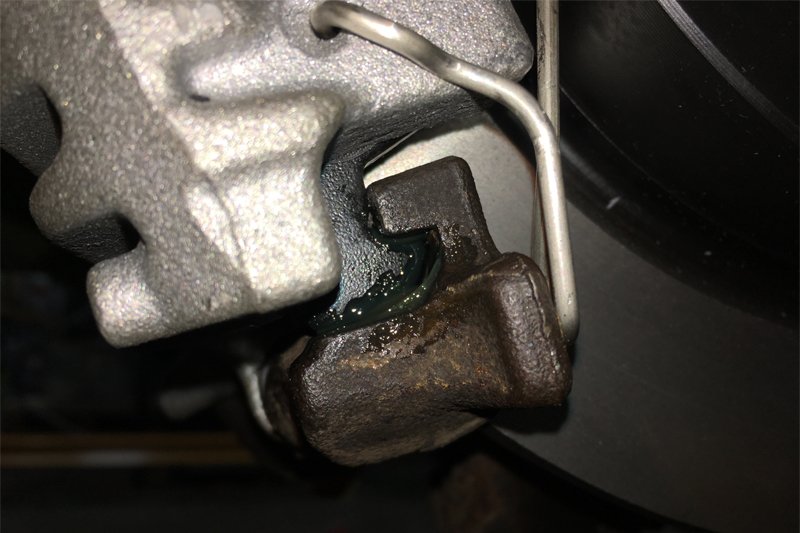
Brake pad squealer location is usually on the outer edge of the brake pad. It contacts the rotor when the pads wear down, creating a squeal to alert the driver.
Among the many components that go into the braking systems for today’s vehicles, the brake pad squealer is one of the most vital, even if it is one of the smallest. It is made to signal the driver to replace the brake pads before they cause further damage to the braking system. The signal comes in the form of a loud squealing noise made when the brake pads get worn down to a certain thickness.
While the noise is certainly memorable, few car owners ever take the time to learn what causes the noise, where the squealer is located, what its role is in the brake system, and how to mitigate further damage to the braking system.
In this guide, let’s go over what brake pad squealers are, where to find them, brake pad squeal mitigation, and safety increases that come as a result.
Contents
- 1 What is a Brake Pad Squealer?
- 2 Why do Brake Pads have Squealers?
- 3 Where Can I Find the Brake Pad Squealer?
- 4 Purpose of a Brake Pad Squealer
- 5 What Is The Purpose Of The Brake Squealer?
- 6 What should I do when I hear the Brake Pad Squealer?
- 7 Signs of Worn Brake Pads Other than the Squealer
- 8 Frequently Asked Questions
- 9 Conclusion
What is a Brake Pad Squealer?
A brake pad squealer is an indicator or a tab of metal attached to a vehicle’s brake pads. It’s purpose is simple but important. It is designed to create a sound (usually a squeal) when the brake pads are worn down to a specific level to tell you that they need to be replaced. Typically the squealer is found on just one or two brake pads (inside or outside) and it only begins to touch the brake rotor when the pads are at a low level.
Why do Brake Pads have Squealers?
When brake pads are used, they naturally wear down. The friction material diminishes, and the squealer, which is typically metal, comes into contact with the brake rotor. This is when the squeal is produced, which alerts the driver.
If you hear this kind of noise, it means that the brake pads have deteriorated to the point where the brakes won’t effectively stop the vehicle. If you don’t pay attention to this noise it can lead to more serious problems like the following:
- Damage to the Brakes Rotors: If the pads are worn completely the metal backing plate will rub against the brakes rotor. This will cause excessive damage like scoring and grooves.
- Increased Stopping Distance: When brake pads are worn out, the brakes stop the vehicle less effectively and put the occupants at risk.
- High Repair Costs: When the brake pads have to be repaired, damage is often done to the other parts of the braking system which can include the rotors and calipers.
Where Can I Find the Brake Pad Squealer?
The brake pad squealer can be found in a few common areas. Brake squealers are usually placed in areas will only contact the rotor when the brake pads are critically low. They are usually placed in the following areas:
1. Outer Edge of the Brake Pad
In most cases, the squealer is located on the outer edge of a brake pad. This is because it makes the most contact with the rotor as soon as the pad is worn down.
As the brake pad wears down, the squealer will be the first part that contacts the rotor, creating a high pitch sound. This outer edge placement ensures that an alert is given to drivers to replace the pads so that it’s not down to the metal. Usually, the squealer is set on an edge of the pad so that it is slightly above the surface of the rotor until wear on the pad reaches a critical thickness which triggers the sound.
2. Inner Side of the Brake Pad
Some designs have the brake pad squealer positioned on the inner side of the brake pad. This is less common than the outer edge, yet still used in certain brake systems. When positioned on the inner side, the squealer still serves the same purpose, but may be quieter to the driver.
Inner side placements are usually in brake pads designed for certain braking patterns. Even though this may not be the most effective in terms of sound, it is still designed to give the same function. Even though it may not be easily heard, the squealer is designed to alert the driver.
3. Integrated with the Brake Pad Material
A different type of brake pad squealer is the one that is embedded in the brake pad material. This type of design removes the need for a separate metal tab or external feature. This way, the squealer is embedded in the material, and once the brake pad is worn down, a sound is whistle is produced through the material friction. This integrated squealer design guarantees that the metal tab cannot become loose or fail to function. Additionally, the embedded design assists the squealer to generate sound more consistently when the brake pad hits a specific thickness.
Purpose of a Brake Pad Squealer
The brake pad squealer is primarily designed to function as a warning signal. Here are the main reasons for the critical importance of brake pad squealers in a braking system:
1. Signals Brake Pads are Worn
The most evident function of a brake pad squealer is to signal for the replacement of the pads when they are worn. The squealer does not start making noise until the friction material on the brake pads has become dangerously thin.
In such a case, the squealer rubs against the brake rotor, and emits a very loud and shrill noise. This serves as an audible alert to the driver, that the brake pads require changing, preceding any other damage to the entire braking system.
2. Avoids Costly Brake Rotor Damage
Unchanged brake pads completely wear off and lead to the brake pad’s metal backing plate grinding down to the rotors. This leads to brakes needing repair, replacement, and possible even more damage. However, the squealer is there to warn you to replace the pads before completely grinding them down.
3. Brake System Damage Prevention
Maintaining your brake system is important. Worn brake pads lead to distance required to stop increasing and less reliable brakes. Squealers prevent brake system emergencies by warning you before it is too late.
4. Maintenance Cost Savings
Ignoring the sound of the brake pad squealer does result in more frequent and therefor more expensive repairs. In time, if the pad is replaced, the rotors and brake components will not be damaged, meaning there will not be higher overall repair and brake system emergencies. Keeping your brakes easily repairable saves you money.
What Is The Purpose Of The Brake Squealer?
Brake squealers serve as sensors to show that the brake pads are reaching the end of their life. Here is a detailed explanation of the squealer steps:
- New Brake Pads: Brake pads are designed to not be in contact with the brake pad rotors.
- Brake Pads Are Getting Worn Down: The brake pad squealer rotates with the brake pads which will slowly moves in alignment with the brake pad rotor.
- Squealer Rotor Contact: Each contact point will be squealing.
- Squealer Warning Sound: This sound is a range of squealing that means the brake needs to be replaced.
Squealers provide a brake warning sound, but they do not show the exact thickness of the brake pads.
What should I do when I hear the Brake Pad Squealer?
Hearing a high-pitched squeal from your brakes should be a major cause for concern. Take the following steps.
1. Assess the Brake Pads: Evaluating the brake pads should be your first priority. This can be achieved by examining the wheel. Most vehicles will allow you to see the brake pads, even if you may need a bright light. If you do not want to do it yourself, you can ask a mechanic.
2. Change the Brake Pads: Once you have determined the brake pads are worn, they will need to be changed. Most brake pads can be considered worn when they have 3mm worth of material left. If you do not change the pads, other brake parts will become damaged.
3. Assess the Condition of the Rotors: If you have been ignoring the brake squealing for a prolonged amount of time, your rotors may have suffered. After the brake pads have been changed, the condition of the rotors should be assessed. If they are warped, or heavily scratched, they may need to be changed.
4. Pay Attention to the Maintenance of the Brake System: While the brake pads are being replaced, other parts of the brake system should also be inspected. Check the calipers, brake fluid, and other components to see if anything else needs attention.
Signs of Worn Brake Pads Other than the Squealer
While the brake pads squealer should be a good enough reason to replace the brake pads, here are some other signs you should watch out for that suggest the brake pads may need replacing:
- Stopping Distance Has Increased: If your car takes longer to stop, then your brake pads may no longer be providing enough brake friction.
- Grinding Noise: If you hear a grinding noise instead of a squealing noise, then this may be a sign that the brake pads have completely worn and that the brake pads are rubbing against the metal components of the brake system.
- Brake Pedal Pulling: When the brake pedal pulls or shakes when you press down, this could be a sign that the brake pads and/or the rotors are worn unevenly.
- Warning Lights: Most new cars have a sensor that detects when the brake pads are worn and a warning light will come on.
Frequently Asked Questions
Here are some FAQs regarding the location of brake squealers –
- Where are the brake pad squealers found?
Most brake pad squealers are found on the brake shims on the outside of the pad. Some squealers may be found inside the pad or as part of the pad itself.
- Why do brake pad squealers make noise?
Squealers make noise when the brake pads are so worn that the metal tab making the noise is rubbing against the brake rotor.
- Are brake pad squealers replaceable?
The squealers are usually not replaceable. If a squealer is damaged, then you’ll have to replace the entire brake pad.
- Can brake squealers be ignored?
It is never a good idea to ignore a brake squealer. Driving a car with worn down brake pads is likely to cause damage to the rotor as well as potentially unsafe braking.
- What will happen if I do not replace the brake pads after listening to the squealer?
Ignoring the brake squealer will cause damage to the rotor, calipers, and other brake parts, increasing the cost of repair. It is also unsafe to neglect the problem because it decreases the braking ability of your car.
Conclusion
Modern braking systems have many advanced features to keep you informed and to keep your vehicle and its occupants safe. One of these features is the brake pad squealer. Understanding the brake squealer and the function it serves will allow you to take the necessary steps to keep your brake system in good running order and keep you from spending lots of money on unnecessary repairs.
Because the brake pad squealer detects when brake pads are deteriorating, it protects the vehicle’s braking system from extensive damage. Your immediate response to the brake pad squealer will enable you to safeguard the driving experience of yourself and your passengers, while also allowing you to avoid driving with faulty brakes.