


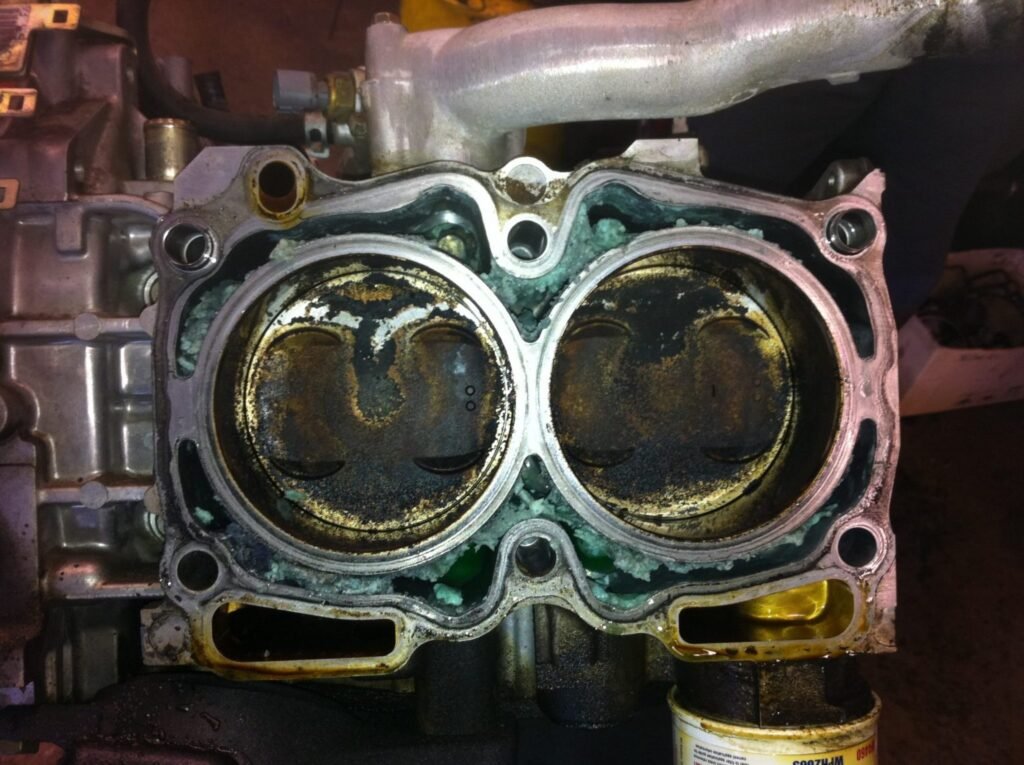
Engine gasket leak fix involves replacing or repairing the damaged gasket that seals various engine components. These leaks can cause oil or coolant loss, overheating, and reduced engine performance. Prompt repair is essential to prevent further engine damage and costly repairs.
The repair of engine gaskets is one of the vital parts of keeping your engine healthy and adding to the life of your engine. Gaskets serve the important purpose in the engine of sealing certain sections of engine parts and block the leaks of oil, coolant, and/or combustion gas. If one of the gaskets is leaking, it can cause the engine to lose power, overheat, and can cause serious damage to the engine. Neglecting gasket issues can lead to more serious issues and is a result of more costly repairs.
Gasket leaks are the result of excessive heat, poor engine maintenance, and of course the heat and time. Neglecting repairs can lead to costly repairs. Learning how to recognize and repair these leaks is one of the most important skills a vehicle owner can develop.

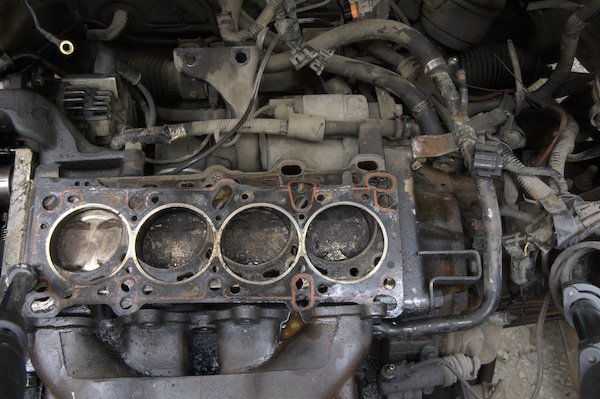
Contents
What is an Engine Gasket?
In order to understand the importance of an engine gasket, one must understand how an engine works. An engine gasket is a sealing device formed from either a metal or composite material placed in between two engine parts, and prevents the escape of fluid or gas. Gaskets are found in many places in an engine.
Some common gasket locations are between the cylinder head and engine block (head gasket), oil pan and engine block, and the valve covers. These gaskets in the engine serve the purpose of maintaining pressure, preventing oil and coolant leaks, and helping the engine run optimally.
Different kinds of engine gaskets:
- Head gaskets are arguably the most essential engine gaskets. They attach the cylinder head to the engine block. This ensures that oil, coolant, and combustion gases do not mix. If head gaskets fail, serious engine damage can occur.
- Valve cover gaskets close off the top of the engine. They ensure that oil does not leak out and cause a mess on the engine.
- Oil pan gaskets attach the oil pan to the block of the engine at the bottom. They are notorious for leaking and causing oil loss.
- Manifold gaskets are responsible for integrating air and exhaust gas. They attach to the engine and make the air intake and exhaust gas non-escape able.
- Timing cover gaskets close off the timing cover. They protect the timing cover chain and other crucial parts of the engine.
What Causes Gasket Leaks?
Leaks are common, but it does not mean that gasket leaks do not have a cause. Mentionable causes of gasket leaks are:
- Overheating
- Wear and tear
- Poor maintenance
- Stressed engine
1. Overheating
Overheating can lead to gasket failure for many reasons. When the engine runs hot it causes the engine’s metal components to expand. This expansion can cause the gasket to create gaps which lead to leaks. A lack of coolant, a damaged radiator, or malfunctioning thermostat can all lead to engine overheating.
2. Age and Wear
With constant cycles of heat, pressure, and engine fluids the engine gaskets will naturally degrade. They will become more brittle, and gaskets that have metal will corrode. This constant pressure will cause all the gaskets to fail, and it is very easy to have leaks go unnoticed with the gradual fail of the gaskets.
3. Poor Maintenance
Running the engine with low coolant, not routinely changing the oil, and then not replacing gaskets after repairs all contribute to the failure of engine gaskets. Poor inspections and leaks can allow small issues to become even bigger problems.
4. Engine Detonation
Another name for knocking is detonation, which is when the fuel inside a chamber ignites too early. It increases temperature and pressure, which is also detrimental to head gaskets. Head gaskets leaking from detonation can result in the mixing of engine oil with coolant and exhaust gases leaking into the engine block.
5. Improper Installation or Torqueing
Leaks from gaskets can also happen when the gaskets are not properly installed, or when the bolts holding the gaskets are not tightened to the specific torque settings. For gaskets to be sealed with the right amount of pressure to not leak, they have to be installed with the correct pressure.
Symptoms of a Gasket Leak
There are varying symptoms of gasket leaks, depending on the type. Here are some of the most common leaks.
1. Engine Gasket Leak
Head gasket leaks can be the cause of an engine coolant leak, which is not visible. If your vehicle is losing coolant, and there is no external coolant leak on it, your vehicle simplifies a head gasket leak, which can also lead to serious engine damage because coolant can leak to the combustion chamber or oil.
2. Oil Milking and Creaming
A failing head gasket will allow coolant to breach the oil system. This will cause the engine oil to have a milky and foamy appearance. In this kind of a situation, it is critical to do diagnostics as a failing head gasket is an emergency.
3. White Smoke and Vapors
If coolant is leaking to the combustion chamber, it will evaporate and produce white smoke. This will cause a loss of fluid and can lead to an engine burnout. White smoke and vapors are the typical symptoms of head gasket leaks
4. Engine Heat
If your gasket leaks glue, your engine loses fluid and it will burn out. To burn your engine, your dashboard temperature gauge will have to burn to an abnormal level.
5. Engine No Power
A gasket that is leaking will cause an engine to run slow. If the engine is rough and there are delays in acceleration, that means there are cylinders that are affecting the compression of the engine and it is leaking.
6. External Fluid Leaks
In certain situations, the gasket leaks occur externally. You might see noticeable leaks of coolant, oil, or fuel under the engine. These leaks are often seen around the engine block, oil pans, or the valve cover.
How to Repair an Engine Gasket Leak
Gasket leak repair takes several specific steps. Below are described the most common leak locations and step-by-step procedures to remedy the problems:
1. Tools and Gasket Leak Repair Materials
Prior to commencing work, gather the repair kit. Your work kit will include the following:
- Set of sockets and wrenches
- Torque wrench
- Gasket scraper or a razor blade
- New gasket
- (Optional: Gasket sealant)
- New oil and coolant
- Safety glasses and gloves
2. Drain Fluids
Prior to starting the repair work, ensure that the engine has completely cooled. This step is critical. Drain engine oil into a leak proof container and dispose of the oil properly. Then, remove the coolant from the engine by first draining the coolant from the radiator.
3. Remove the Old Gasket
In order to replace the gasket, any components that are above the gasket must be removed. For example, to replace the valve cover gasket, the valve cover must be removed by unscrewing the bolts. For the oil pan gasket, there are bolts on the oil pan that must be removed. The last step is to scrape the remaining gasket material of the old gasket. This can be done using a gasket scraper or a razor, blade.
4. Cleaning Mating Surfaces
Once you have taken off the old gasket, ensure you clean every edge of the engine components where the gasket sits. Any leftover pieces of old gasket can make it so that your gasket does not seal properly. Use a clean cloth, and if you need it, a gasket cleaning tool or a degreaser.
5. Putting A New Gasket
Putting a new gasket requires that you place the gasket on the engine so that it is aligned properly with the engine components that it is covering. For a head gasket or an oil pan gasket, if the manufacturer says you can, you can put a thin layer of gasket sealant on the edge of the gasket for an additional seal.
6. Putting Back The Engine
After the engine components have been placed back into position, you can now put the engine back together. You have to ensure that the bolts are put back together using the correct torque sequence. This is where a torque wrench comes in. It is especially important to head gaskets and oil pans, as the bolts are very likely to be the cause of oil leaks.
7. Engine Fluids Replacement and Initial Testing
After the components of the engines are put back together, replace the engine oil and engine coolant. Turn the engine on and watch it for any leaks. Run the engine for a couple of minutes and check for a smooth running engine, the oil pressure is good, and there’s no leaks.
Keeping the Gaskets Leak Free
Keeping engine gaskets leak free is possible through frequent checkups and detail-oriented work. Here are ideas to help you keep your gaskets leak free.
- Replace Oil and Engine Coolant on Time: Oil and coolant are subjected to wear and tear, eventually leading to gasket failure. Ensure you replace your oil and engine coolant according to the engine manufacturer’s guidelines.
- Maintain Oil and Coolant at a Good Level: Oil and coolant levels should not go below the manufacturer’s guidelines, so replenish them regularly.
- Do Not Let Your Engine Overheat: Ensure your engine stays at a normal temperature. If your temperature needle is on the red part of the temperature gauge, stop your car and let it cool down.
- Do Your Gasket Work Correctly: When dealing with engines and gaskets, you should work with the right tightness of the bolts. If a bolt is too tight or not tight enough, it will cause a leak.
Cost to Repair Engine Gasket Leaks
A lot of factors come into play to determine the cost of repairing engine gasket leaks. The type of gasket, the repair complexity, and whether the job is DIY or left to a professional affect the overall cost.
- Valve Cover Gasket Replacement: Replacing a valve cover gasket is one of the cheaper repairs that costs about $100 to $300, depending on the type of vehicle and the workplace.
- Oil Pan Gasket Repair: For oil pan gasket repairs, costs are a bit higher, falling between $300 and $600. The cost varies depending on the complexity of the repair, and whether the engine has to be disassembled.
- Head Gasket Replacement: Replacing a head gasket is the most expensive repair. The cost is between $1,000 and $2,500 or more, depending on the labor costs and on the vehicle make / model.
Frequently Asked Questions
Here are some FAQs about engine gasket leak fixing –
1. What are the symptoms of a head gasket leak?
The standard head gasket leak symptoms are engine overheating, an engine and exhaust white smoke, loss of engine coolant, and presence of milkshake-like (milky) oil. To confirm the head gasket issue, the best alternative is a compression test.
2. Engine gasket leaks COPD is fine right?
Definitely no, driving with a gasket leak even for a few minutes can result in a total loss of the engine.
3. What is the average cost of an engine head gasket replacement?
An engine head gasket replacement cost is a major cost of a range between $ 1,000 and $ 2,500 (in some cases, even higher).
4. Can a leak in a gasket be fixed temporarily?
It’s possible for small leaks to be assisted by a temporary fix such as sealants, but they are not permanent solutions. For lasting results, a full gasket replacement is recommended.
5. How long does it take to repair an engine gasket leak?
An oil pan or valve cover gasket repair may only take a few hours, but a head gasket replacement can take a full day, or even longer.
Conclusion
An engine leak gasket fix is a driving force for the long-term and better-functioning engine. Preventing the long-term effects of an engine leak gasket can be prevented with the constant action of an engine inspection and the engine fluid levels, engine leak gaskets can be minimized. Engine leak rebuilds should be fast, and the right tools should be there for the last time. Now that you have gained the knowledge of symptoms and causes, you should be able to prevent the damage early and make the engine run smooth.


