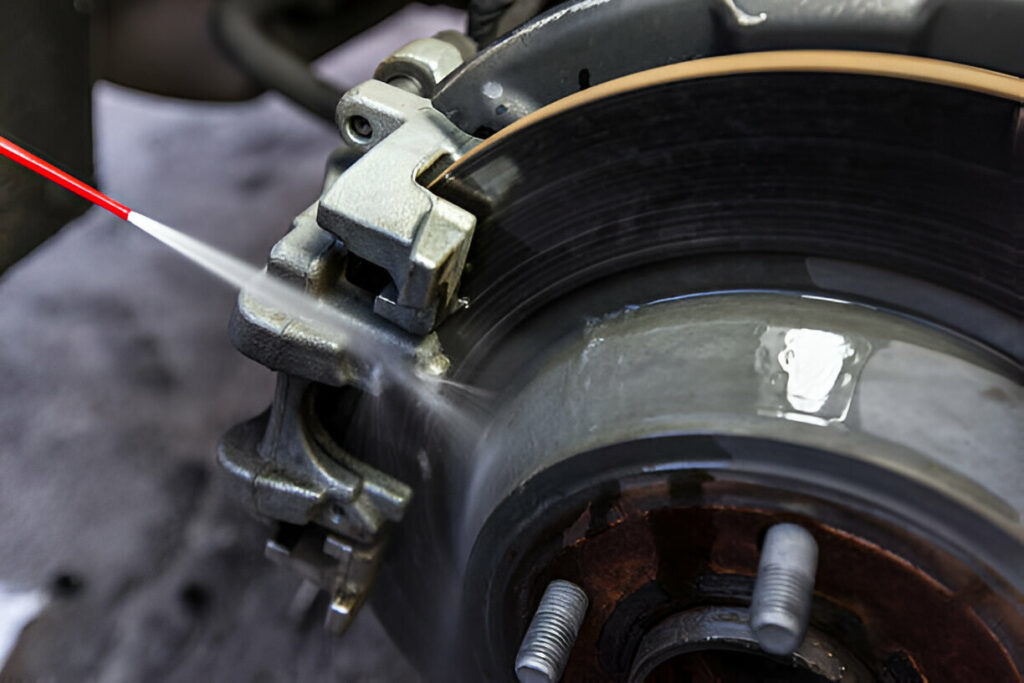
Can I Use Brake Cleaner on Carburetor? Don’t Try Before Reading This
Yes, but it’s not ideal. Brake cleaner can damage rubber and plastic parts in a carburetor. Use only on metal […]
Please follow and like us:


Yes, but it’s not ideal. Brake cleaner can damage rubber and plastic parts in a carburetor. Use only on metal […]
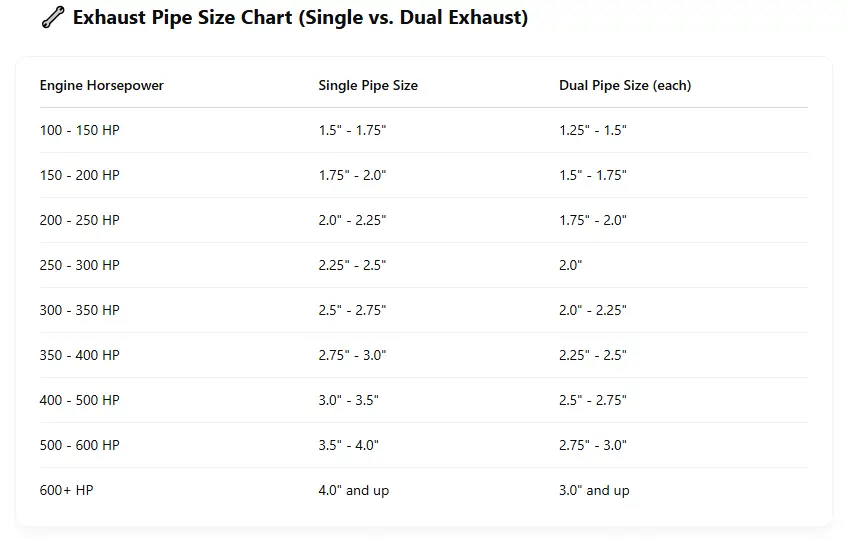
An exhaust pipe size chart helps match pipe diameter to engine horsepower. The right size improves performance, while the wrong
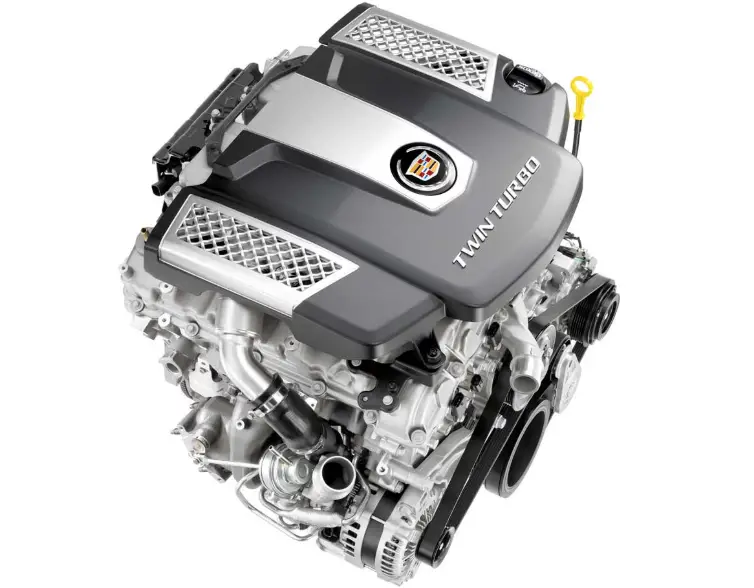
The Cadillac 3.6L engine often faces timing chain issues, oil consumption, and carbon buildup. These problems are common in older

The Chevy TurboMax engine delivers powerful performance with up to 375 horsepower and 500 lb-ft of torque, offering impressive towing
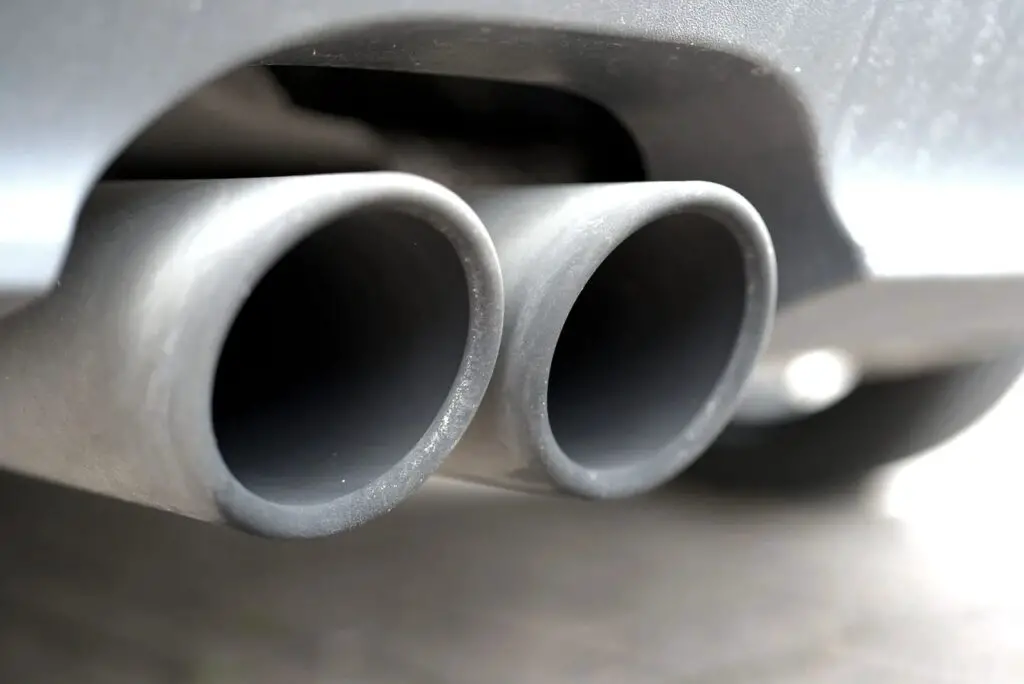
Exhaust pipes can reach 300°F to 1,200°F depending on the vehicle and load. Handle with care, as they stay hot

Yes, brake cleaner is toxic due to its chemical composition, which can cause health issues like dizziness, respiratory irritation, and

A timing belt is a rubber component that needs frequent replacement, while a timing chain is metal, more durable, and
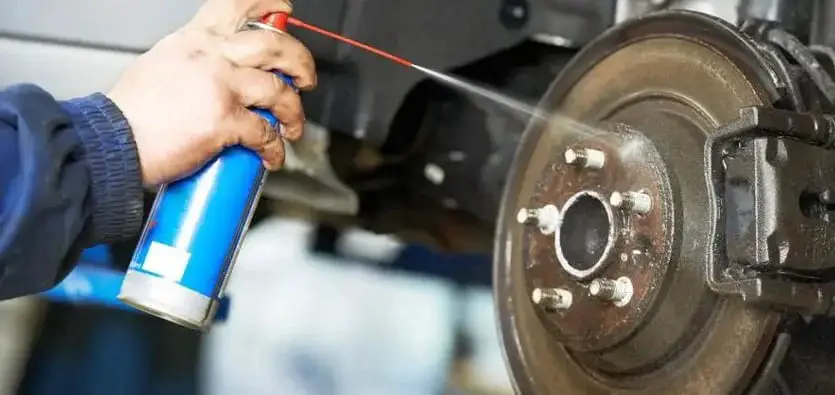
To use brake cleaner, spray it onto brake parts like rotors and pads, holding the can about 6-8 inches away.

The Jeep Wrangler offers a range of engine options to suit various driving needs. These include the standard 3.6L Pentastar